electrical and computer engineering
binary code

Oct 21, 2019

New Framework Makes AI Systems More Transparent Without Sacrificing Performance
Researchers are proposing a framework that would allow users to understand the rationale behind AI decisions. 

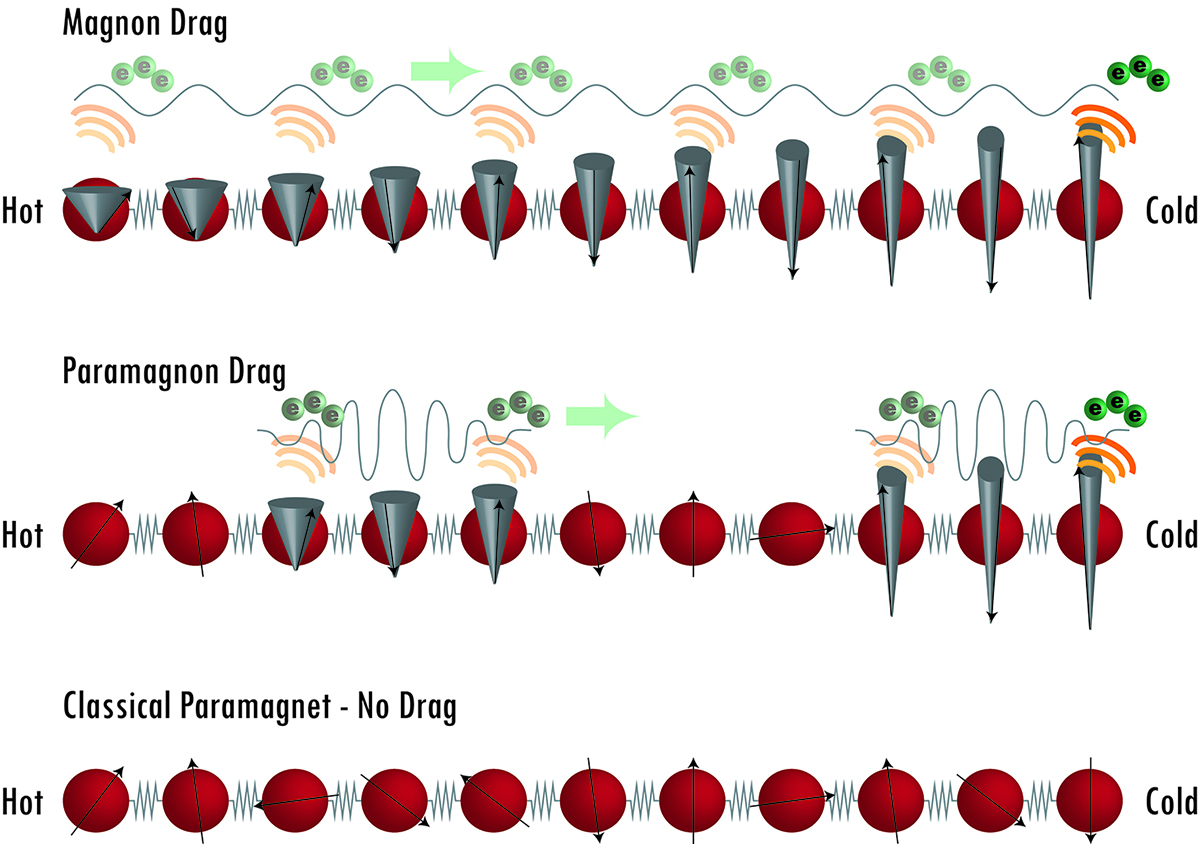
Showing magnon versus paramagnon drag

Sep 13, 2019

Paramagnetic Spins Take Electrons for a Ride, Produce Electricity from Heat

“Paramagnon drag thermopower” converts a temperature difference into an electrical voltage. This discovery could lead to more efficient thermal energy harvesting, such as converting car exhaust heat into electric power to enhance fuel-efficiency. 

a lock superimposed on a computer chip

Jun 27, 2019

Who Is Teaching the Next Generation of Cryptographic Hardware Experts?

One researcher's work to prepare the next generation of cybersecurity experts to use post-quantum cryptosystems. 

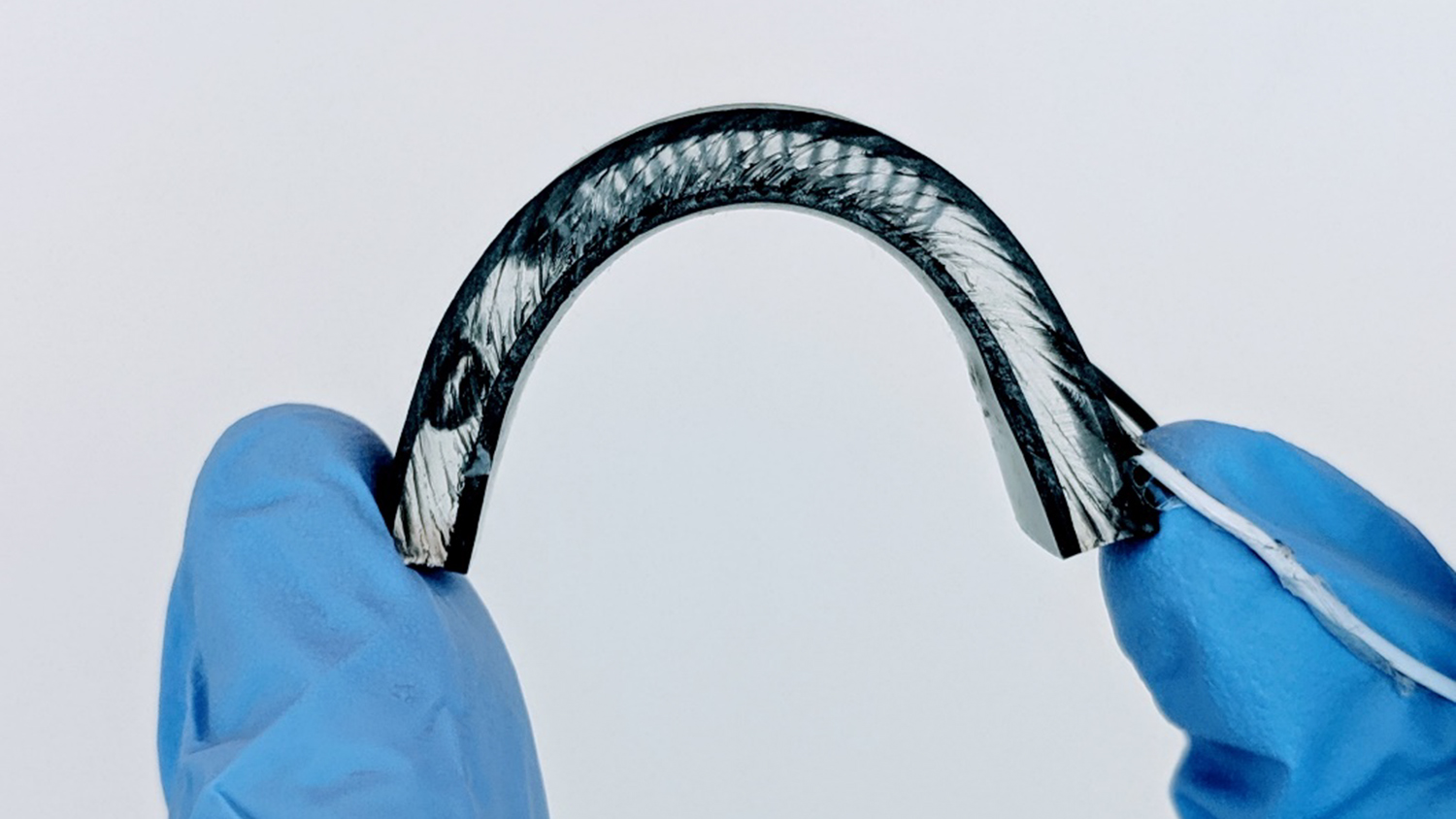
painting of a double helix

Jun 3, 2019

Research Overcomes Key Obstacles to Scaling Up DNA Data Storage
New techniques for labeling and retrieving data files in DNA-based information storage systems address two of the key obstacles to widespread adoption of DNA data storage technologies. 

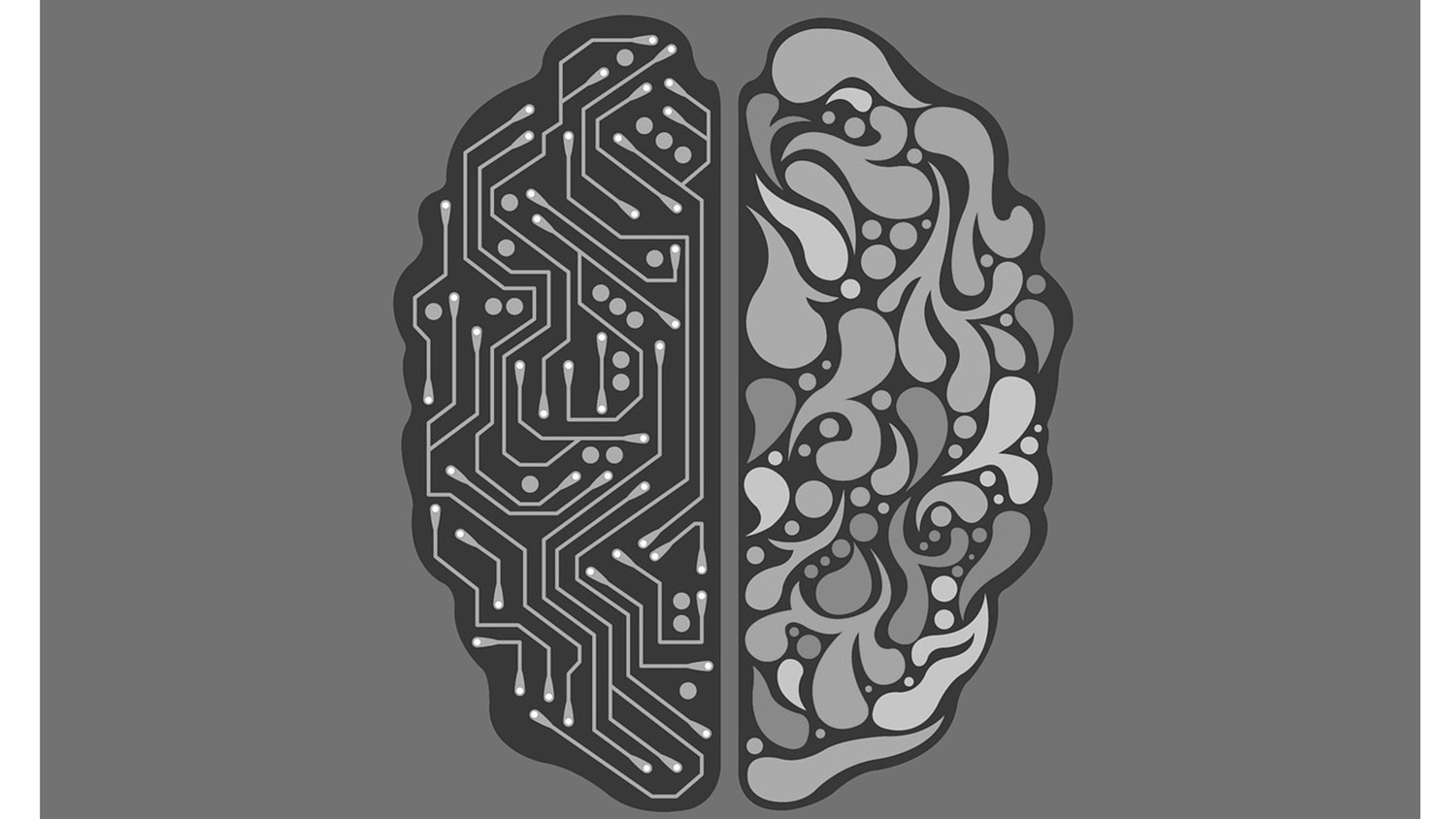
graphic of computer circuits in the shape of a brain

May 21, 2019

New Framework Improves Performance of Deep Neural Networks

A new framework for building deep neural networks – called AOGNets – outperforms existing state-of-the-art artificial intelligence frameworks, including the widely-used ResNet and DenseNet systems, in visual recognition tasks. 

wiring and numbers in the shape of a brain

May 15, 2019

Framework Improves ‘Continual Learning’ for Artificial Intelligence
Researchers have developed a new framework for deep neural networks that allows artificial intelligence (AI) systems to better learn new tasks while “forgetting” less of what it has learned regarding previous tasks. 

Apr 25, 2019

New Technique Uses Power Anomalies to ID Malware in Embedded Systems
A new technique uses power fluctuations to detect malware that uses a system’s architecture to thwart traditional security measures. 

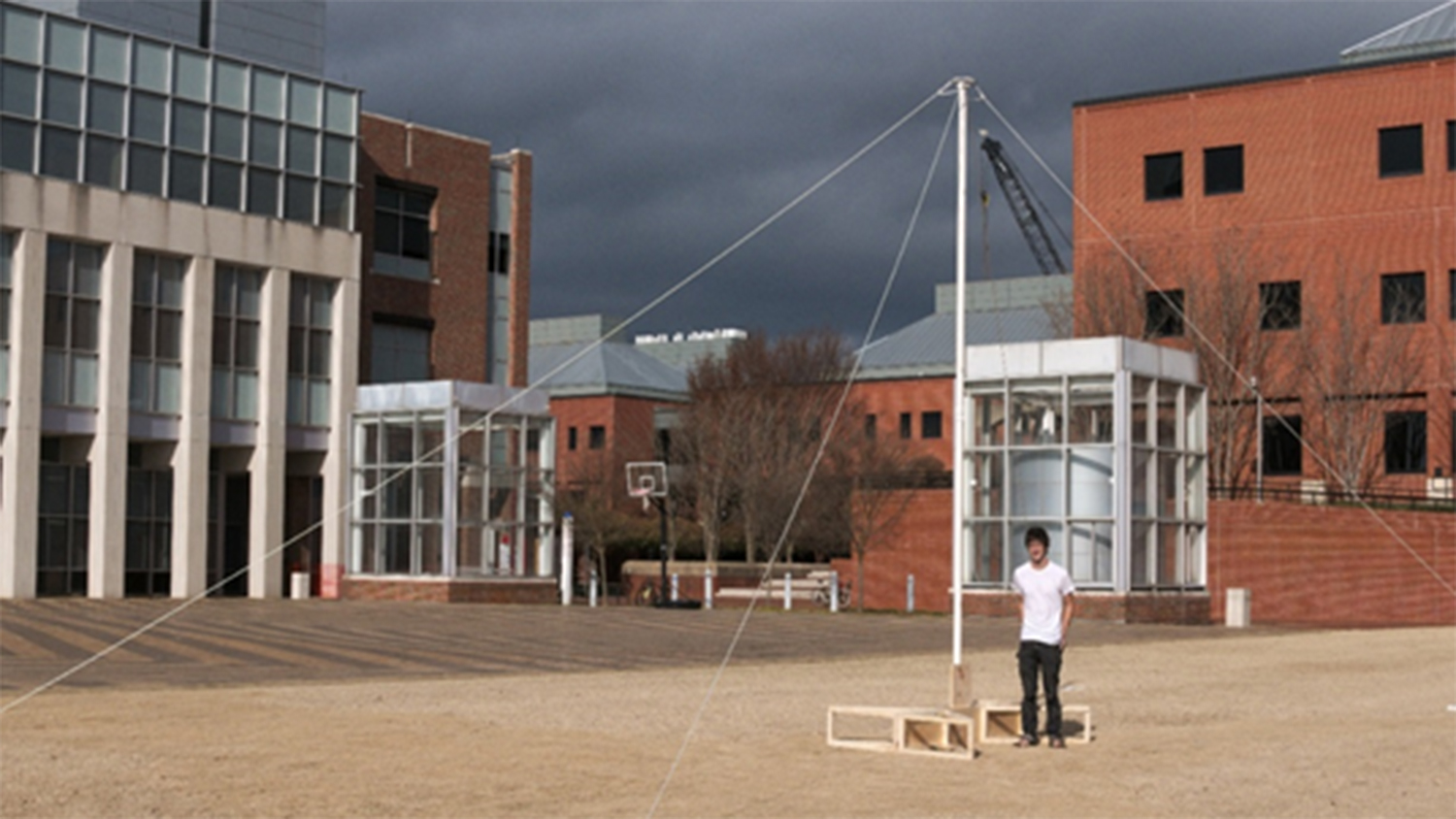
student with five meter antenna

Apr 2, 2019

New Study Demonstrates Radio Signal Benefits From Decades-Old Theory
Engineering researchers have demonstrated that a longstanding theoretical method called direct antenna modulation has real-world utility for boosting the quality of radio signals. 

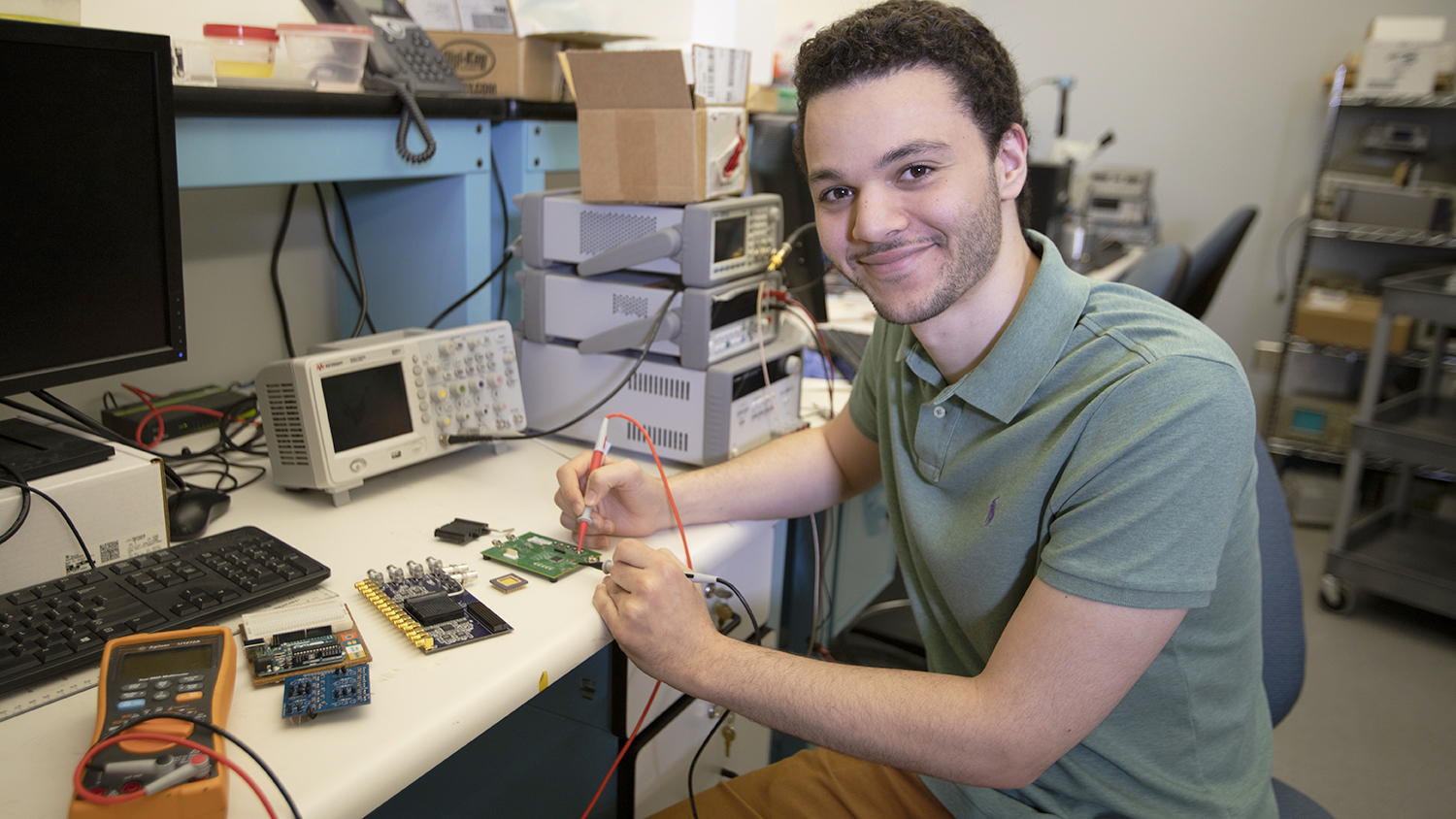
Ziad Ali works on a circuit in his lab.

Mar 13, 2019

Brain Power

Ziad Ali aims to combine electrical engineering and neuroscience to treat disorders such as epilepsy and Parkinson's. The NC State senior will pursue a Ph.D. at Stanford thanks to a Knight-Hennessy Scholarship. 

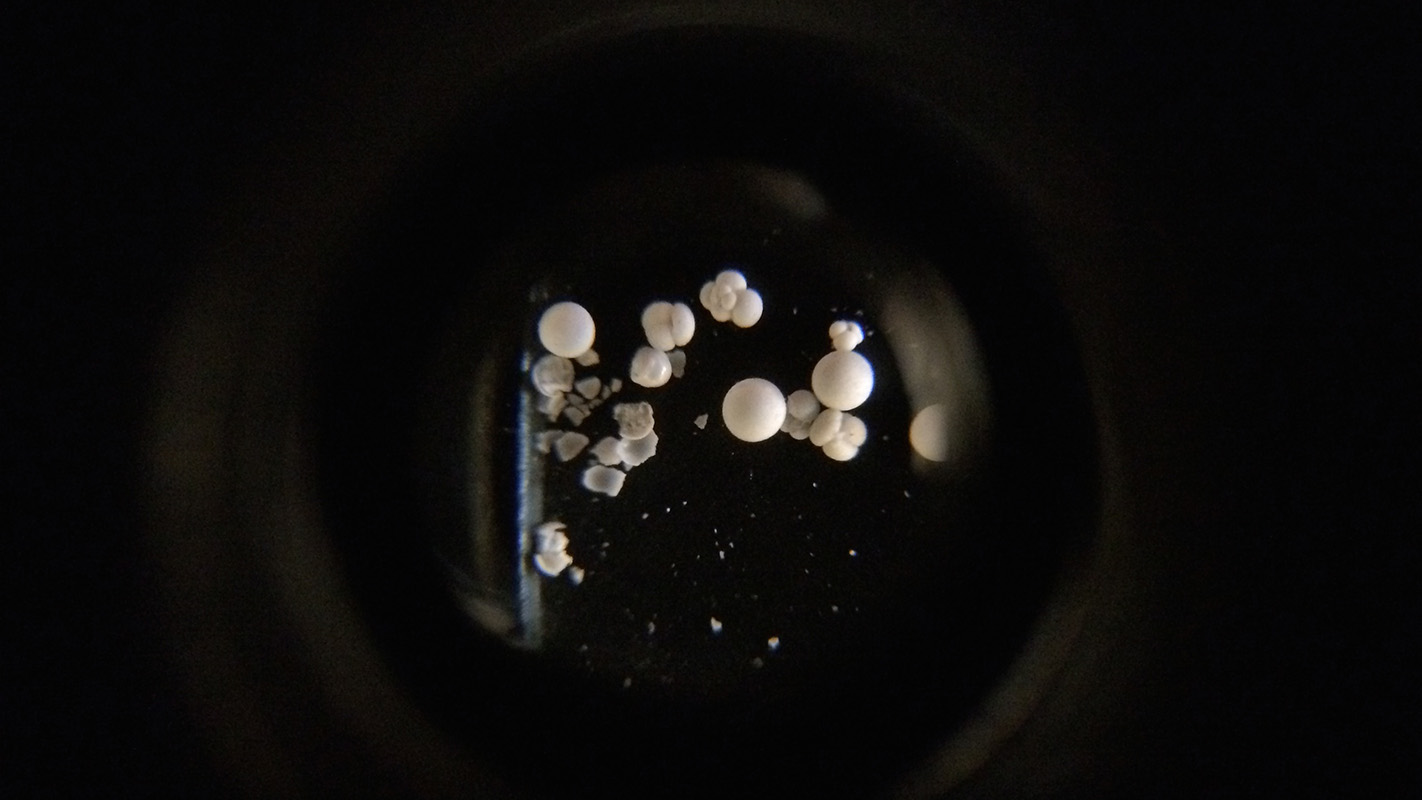
foraminifera viewed through a microscope

Feb 6, 2019

Artificial Intelligence Can Identify Microscopic Marine Organisms

How AI advances can help us understand prehistoric oceans. 

light reflected on a window

Nov 28, 2018

Intelligent Framework Aims To Optimize Data Transfer in 5G Networks
New tech is designed to allow cellular communication nodes in 5G systems to partition bandwidth more efficiently in order to improve end-to-end data transmission rates. 

Oct 3, 2018

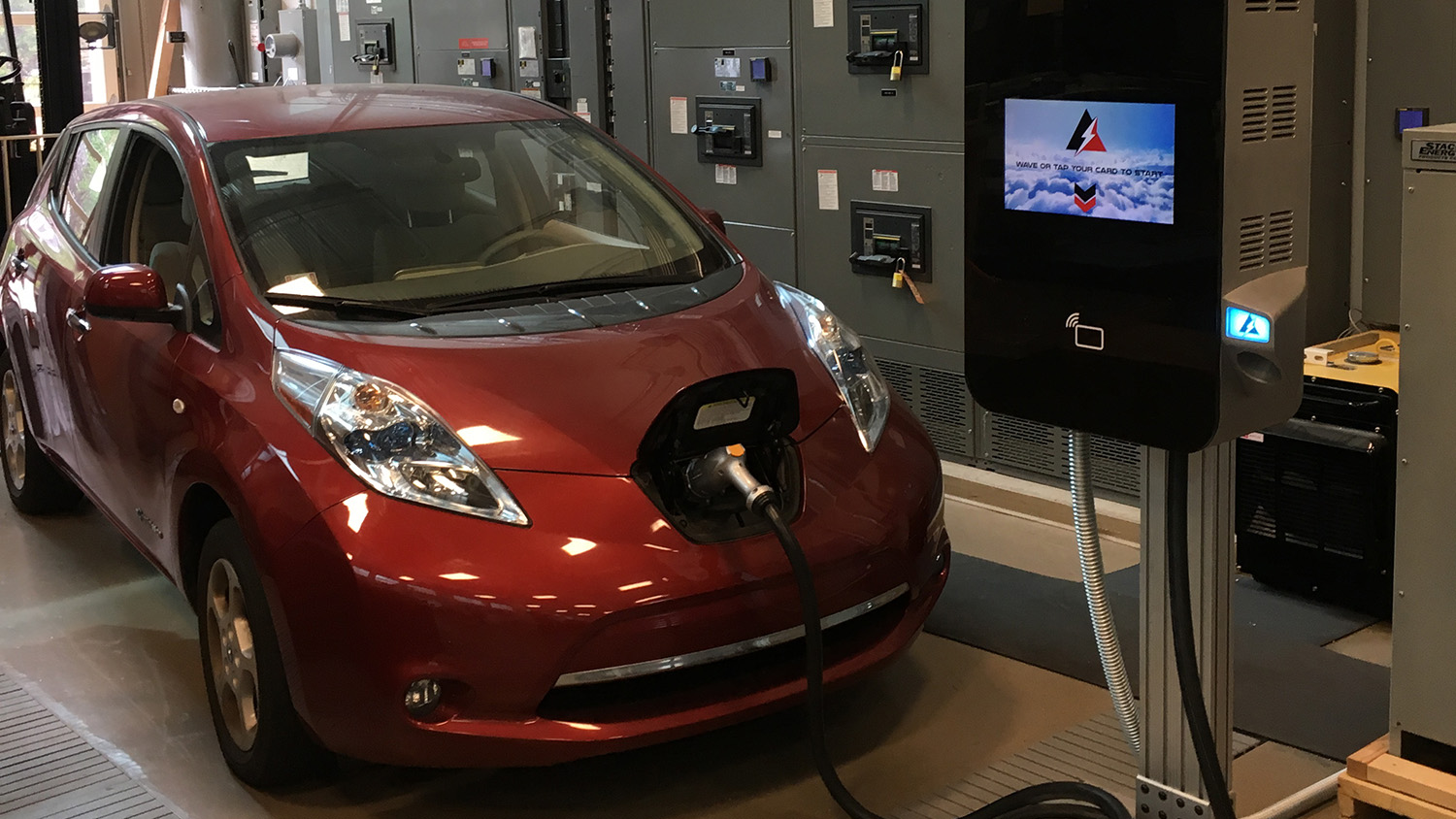
New Electric Car Charger Is More Efficient, 10 Times Smaller Than Current Tech
A new electric vehicle fast charger is at least 10 times smaller than existing systems and wastes 60 percent less power during the charging process, without sacrificing the charging time. 

Aug 20, 2018

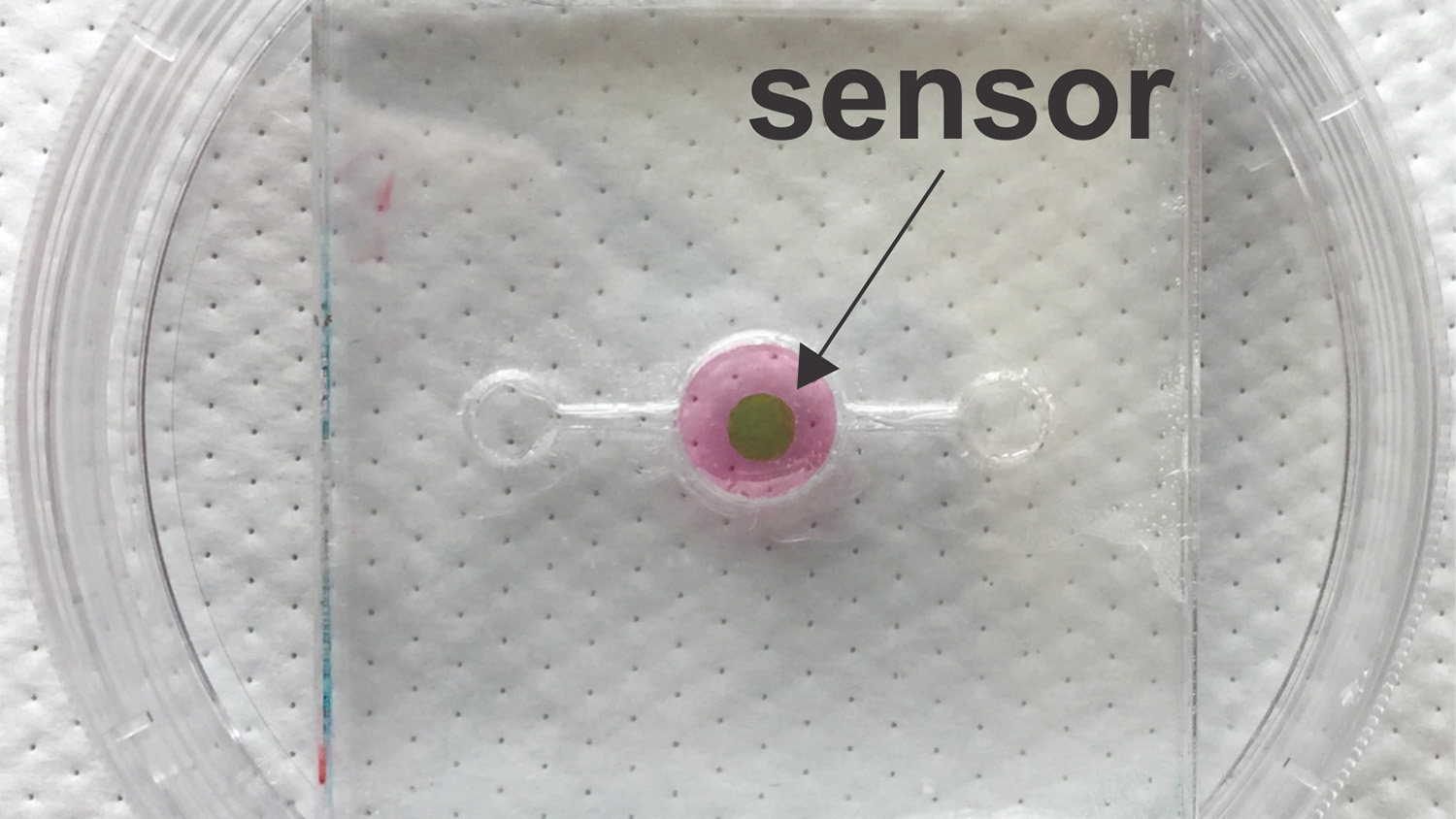
Biosensor Allows Real-Time Oxygen Monitoring for ‘Organs-On-A-Chip’

A new biosensor allows researchers to track oxygen levels in real time in “organ-on-a-chip” systems. 

Jul 23, 2018

Model Fuses Social Media, Remote Sensing Data With Goal of Identifying Nuclear Threats

A new model allows researchers to draw on normally incompatible data sets, such as satellite imagery and social media posts, to answer questions about what is happening in targeted locations. 

May 8, 2018

Tech Bends Light More Efficiently, Offers Wider Angles for Light Input

NC State researchers have developed a new technology for steering light that allows for more light input and greater efficiency – a development that holds promise for creating more immersive augmented-reality display systems.