College of Veterinary Medicine

Dr. Eric Brooks, wearing white coat and glasses, stands in his lab.

Aug 21, 2025

NC State Scientist Develops Map of How Cells Work Together to Become a Brain

By Bethany Brookshire Studying the process of brain formation illuminates just how much of development is a series of tiny miracles. Only a few weeks after a human egg is fertilized, a sheet of cells called the neural plate widens, stretches and rolls up to create a tube. This delicate dance of cells forms what… 

Cute piglet on straw

Aug 18, 2025

Model Reroutes Livestock Trucks to Reduce Risk of Infection

Truck rerouting model shows at least 42% reduction in infection exposure between pig farms. 

Campus gateway sign reading NC State University

Aug 12, 2025

Study Looks for Markers That Predict Risk of Severe Chlamydia Infection

New study identifies markers that may predict whether a chlamydia infection is likely to ascend into the uterus and endometrium. 

Dr. Nanette Nascone-Yoder in white labcoat stands with her arms crossed in her lab on the NC State College of Veterinary Medicine campus.

Jul 31, 2025

NIH Awards $2.8 Million Grant to NC State Developmental Biologist for Work Investigating Organ Formation

Dr. Nanette Nascone-Yoder, a professor in the NC State College of Veterinary Medicine’s Department of Molecular Biomedical Sciences, has been awarded a $2.8 million grant from the National Institutes of Health for her research investigating how cellular mechanisms guide left-right asymmetric organ formation. Abnormal left-right asymmetry underlies some of our most common and severe birth… 

Assistant professor Tal Ben-Horin stands next to an oyster bag near ocean water.

Jul 1, 2025

How to Breed Hardier Oysters

North Carolina’s oyster industry has seen a resurgence, but growers have recently suffered from unexplained mass mortality events. That’s why CVM Professor Tal Ben-Horin is leading research funded by the N.C. Department of Environmental Quality to investigate how to breed oysters more genetically prone to survival. 

Students and faculty hold up five red wolf puppies

Jun 18, 2025

Red Wolf Pack Welcomes 5 Puppies

NC State’s College of Veterinary Medicine has welcomed five new puppies into its red wolf pack. They arrived in May, much to the delight of students and faculty members in the Carnivore Conservation Crew, which is part of a nationwide effort to save red wolves — the world’s most endangered wolf species — from extinction. “We… 

decorative

Jun 10, 2025

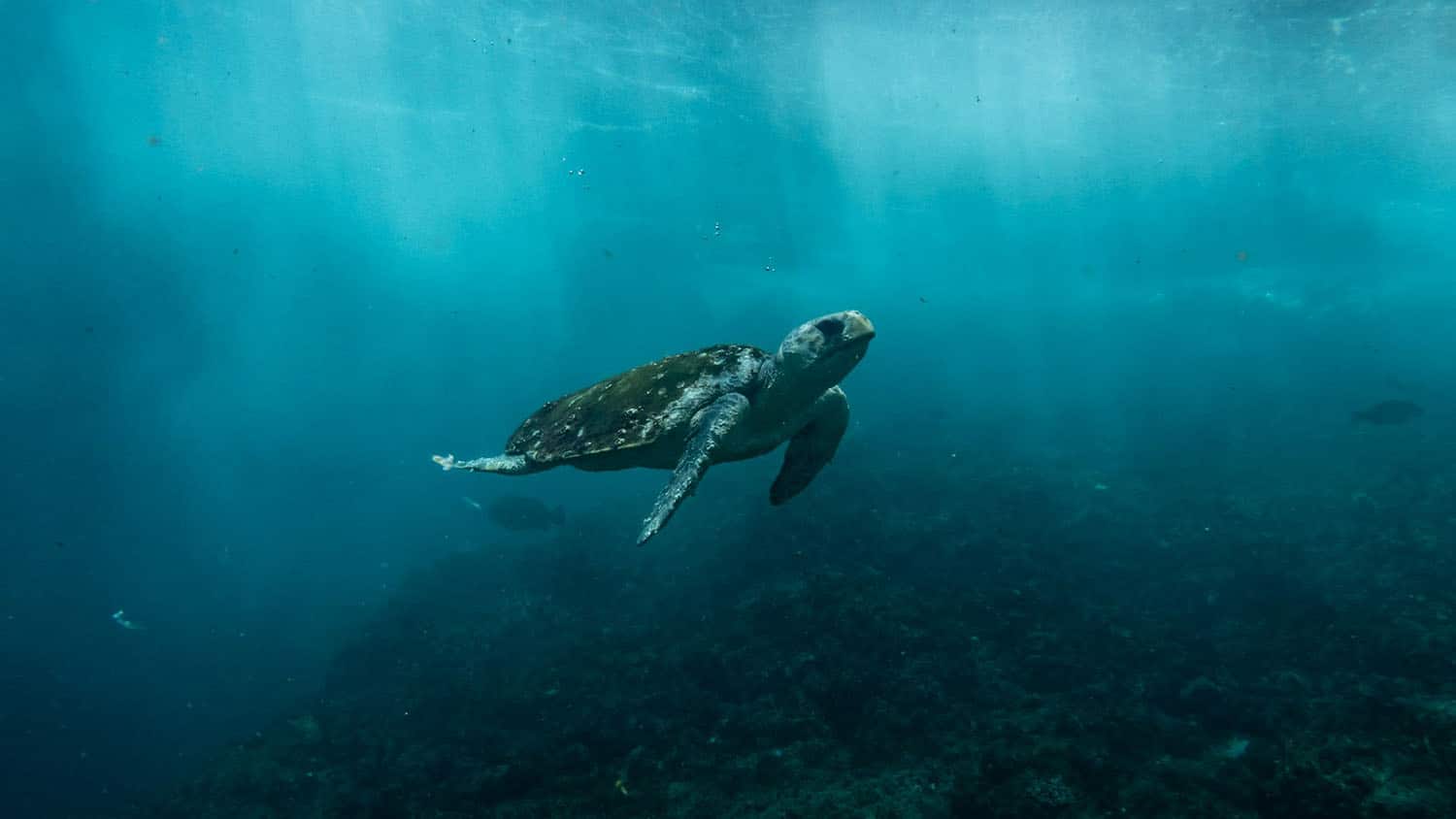
Turtle Crossing: Study Identifies Local Hot Spots for Turtle/Car Collisions

If you're in one of these nine hotspots, keep an eye out for turtles! 

May 21, 2025

Studies Look for Potential Therapy Targets for Dogs with Chiari-like Malformation

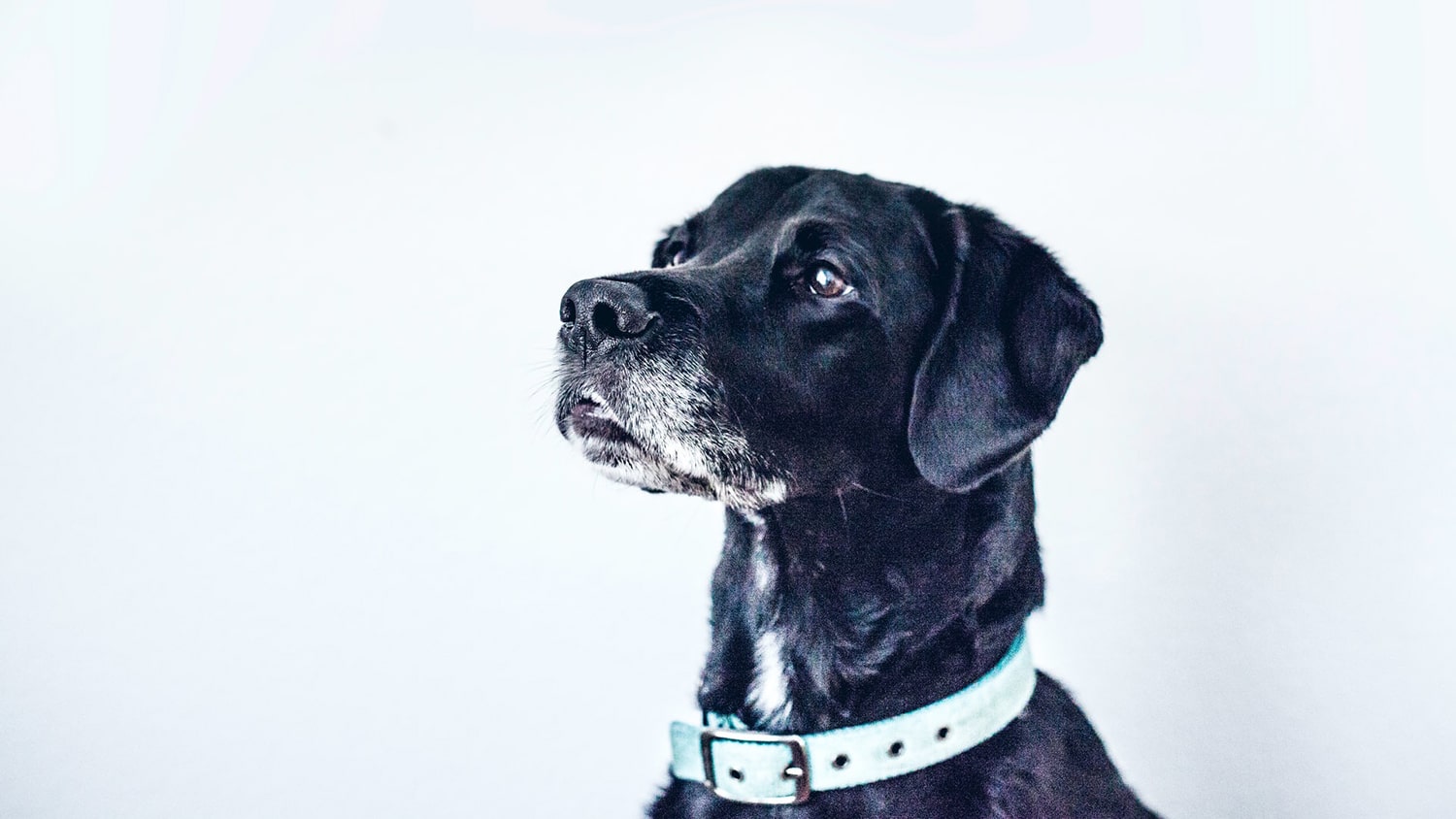
A pair of studies looked for biomarkers and genetic markers of a syndrome associated with skull malformations common in Cavalier King Charles spaniels (CKCS) and other toy breeds. 

Cute piglet on straw

May 5, 2025

Sampling, Lab Capacity Could be Weak Links in African Swine Fever Outbreak

Sampling and laboratory capacity are areas of concern – particularly in areas with dense swine farm populations – when samples are tested within the state. 

A red wolf in NC State's conservation program

Apr 23, 2025

We’re the Red Wolves From State

NC State’s red wolf conservation efforts were introduced to a national audience, thanks to a segment on the Today show.  

Zoology students lead an activity with a child at their table at the Marbles Kids Museum's Backwards Science Fair

Apr 16, 2025

For All the Marbles

Kids were the judges and NC State researchers were the contestants at the Marbles Kids Museum’s first-ever Backwards Science Fair. 

Campus gateway sign reading NC State University

Mar 19, 2025

Case Study: Bartonella, Babesia, Found in Brain Tissue of Child With Seizures

Researchers found Bartonella henselae, Babesia odocoilei and Babesia divergens-like MO-1 DNA in brain tissue samples from a young child with seizures and suspected Rasmussen’s encephalitis. 

Not only is collecting material with cytology brushes far faster and easier than collecting eraser crumbs, but it also greatly reduces the risk of cross-contamination. If you’re testing an entire book with an eraser, for instance, you must ensure to get up all the crumbs from one page before starting another. “Otherwise, you risk mixing them together,” Stinson says. Plus, from a library’s perspective, using a brush can in some cases be even less invasive than using an eraser. Many manuscripts that have survived hundreds of years aren’t exactly clean. Erasers remove dirt or stains — and leave unsightly white spots. Stinson and his team’s collection technique does not.

Feb 17, 2025

Deciphering the Past with DNA from Parchment Pages

With help from colleagues in the College of Veterinary Medicine, an English professor is examining much more than just what’s written on medieval documents. 

Campus gateway sign reading NC State University

Feb 4, 2025

Case Study: Bartonella, Babesia Co-Infection in Family Associated with Neurological Illnesses

A family suffering from illnesses that included neurological symptoms were co-infected with both Bartonella and Babesia. 

Jan 13, 2025

Chornobyl Dogs’ Genetic Differences Not Due to Mutation

Radiation-induced mutation is unlikely to have induced genetic differences between dog populations in Chornobyl City and the nearby nuclear power plant.