Mar 30, 2026
Artemin could serve as disease marker, therapeutic target, for osteoarthritis in cats.
Mar 16, 2026
Richard Longland talks about why reevaluating thermonuclear reaction rates will help us better understand the universe.
Mar 11, 2026
Female mosquitofish drive population isolation both by preferring native males and aggressively resisting outsiders.
Mar 4, 2026
Does chronic itch re-wire the brain to be more susceptible to depression?
Feb 16, 2026
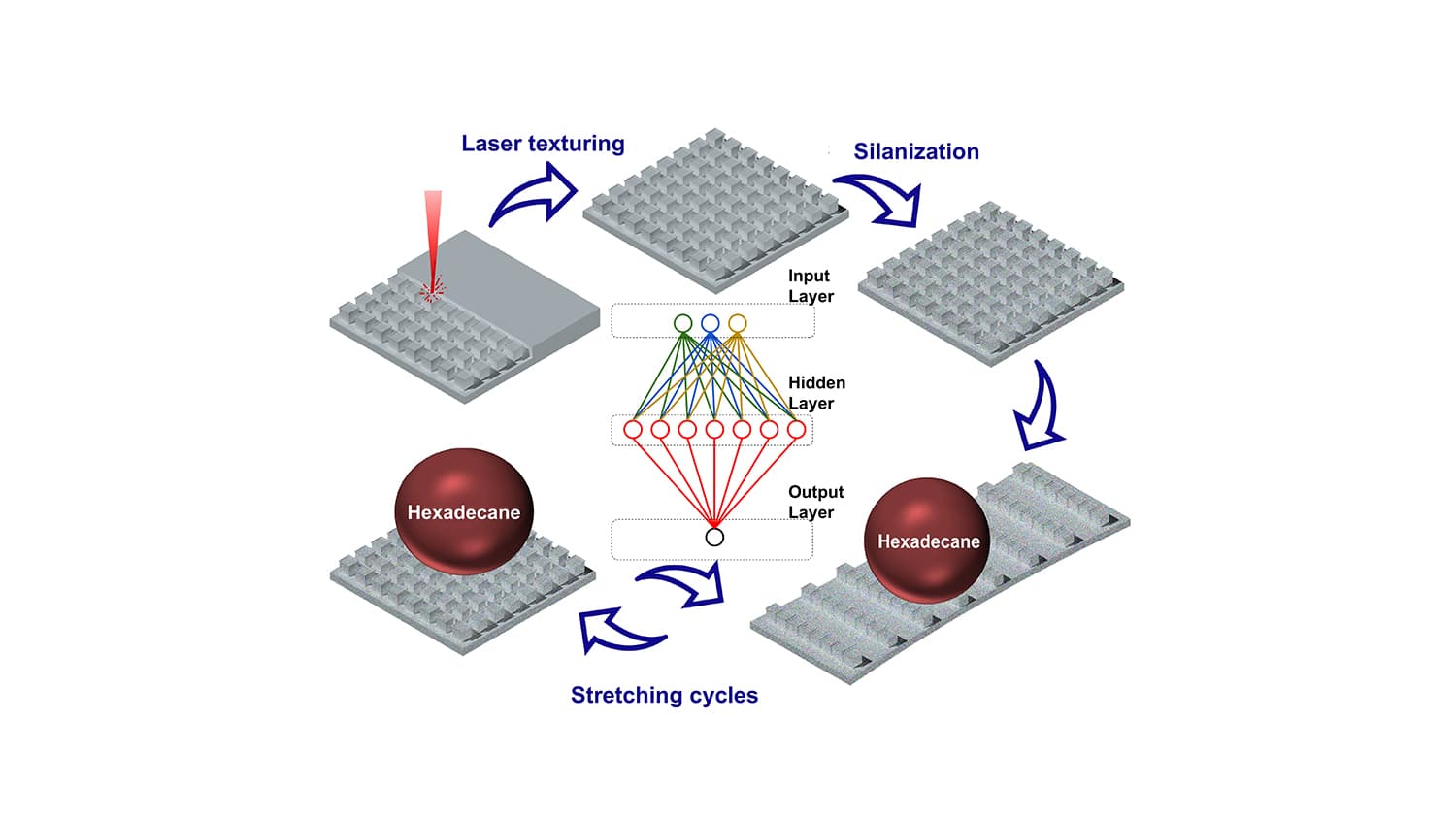
Researchers have used laser ablation to create ultra-stretchable, superomniphobic materials without the use of harsh chemical solvents.
Feb 5, 2026
New initiatives, partnerships will accelerate defense and security research.
Feb 3, 2026
A pilot study has found evidence of Bartonella and Babesia infection in almost half of 50 blood samples from patients suffering chronic fatigue syndrome.
Jan 21, 2026
Chiral phonons can create orbital current without magnetic elements, and the effect can be achieved in common crystal materials.
Jan 5, 2026
The guidelines define the condition, offer practical diagnostic criteria and are meant to aid both clinicians and researchers in helping senior dogs with cognitive issues.
Dec 16, 2025
The work is a first step toward understanding the role that these immune cells may play in the early stages of allergic skin response.
Dec 9, 2025
A novel kirkovirus may be associated with colitis – and potentially small colon impactions – in horses.
Dec 2, 2025
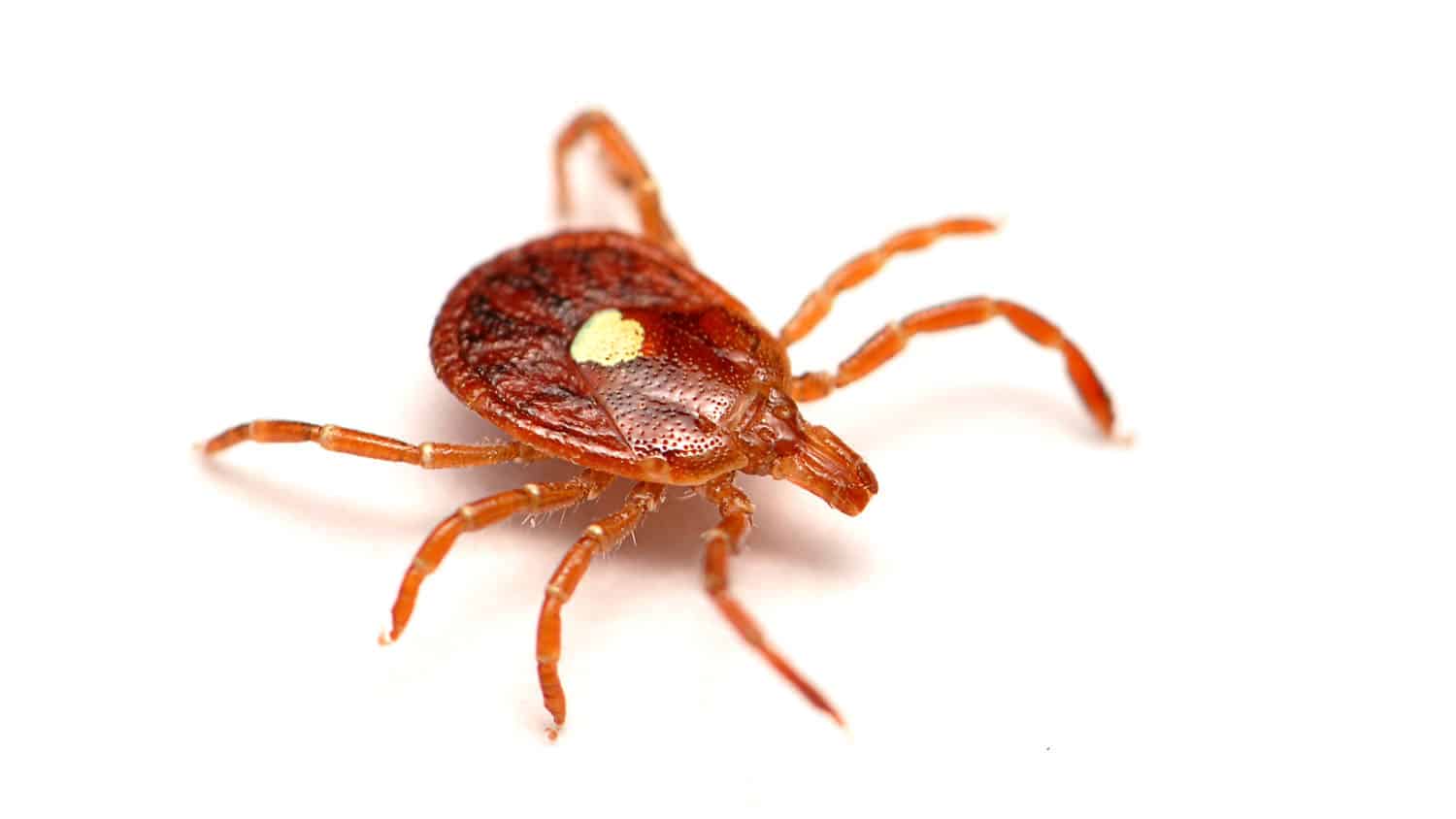
A new Rickettsia species, dubbed Rickettsia finnyi, is associated with symptoms similar to those of Rocky Mountain spotted fever in dogs, but has not yet been found in humans.
Dec 1, 2025
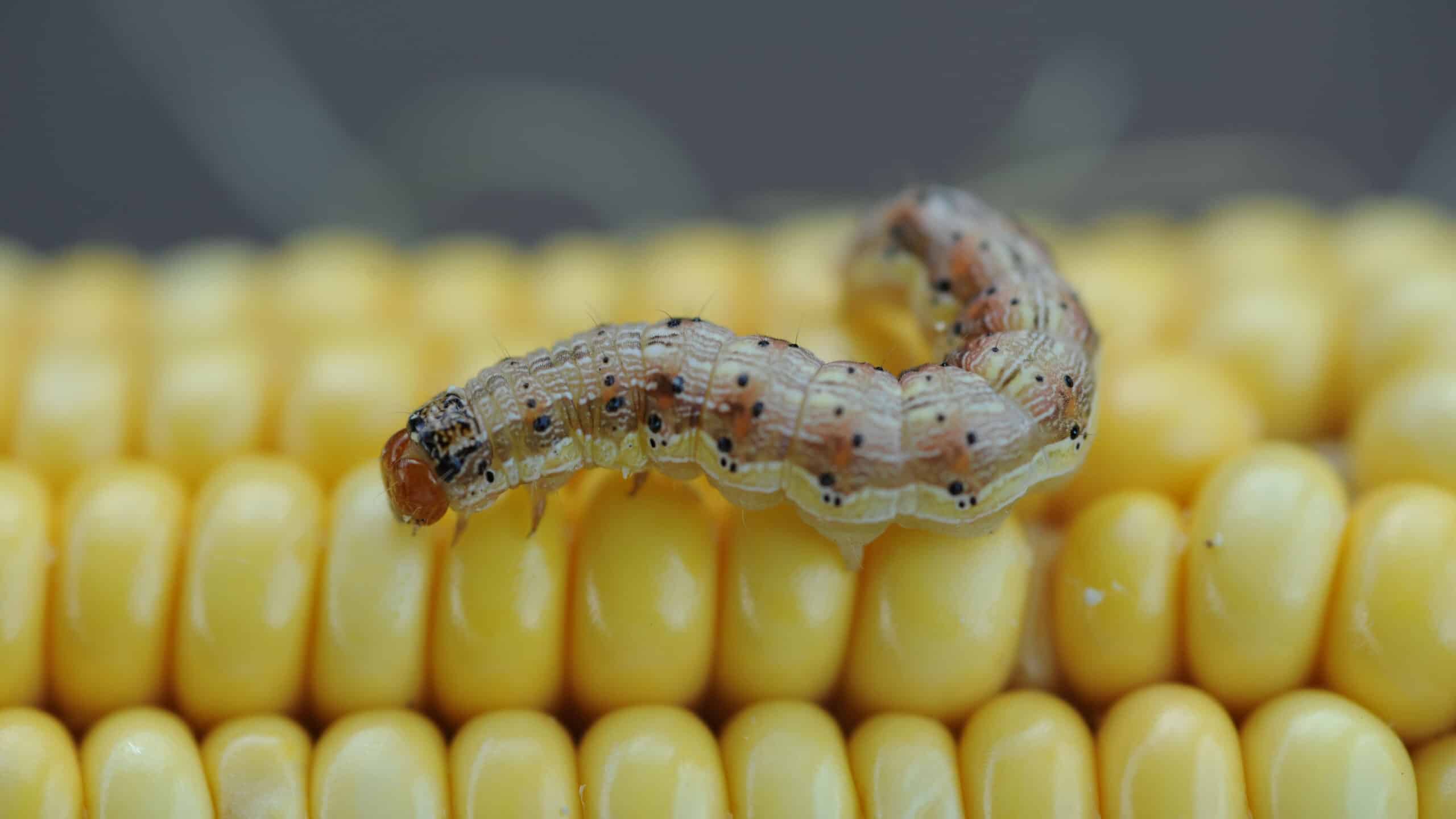
Consuming a blend of toxic Bt corn and non-toxic corn can give corn earworm moths longer, more narrow and more tapered wings that can send them long distances.
Nov 18, 2025
Savannah Dunn tells us what she learned about treating snakes during her time with the Turtle Rescue Team.
Nov 17, 2025
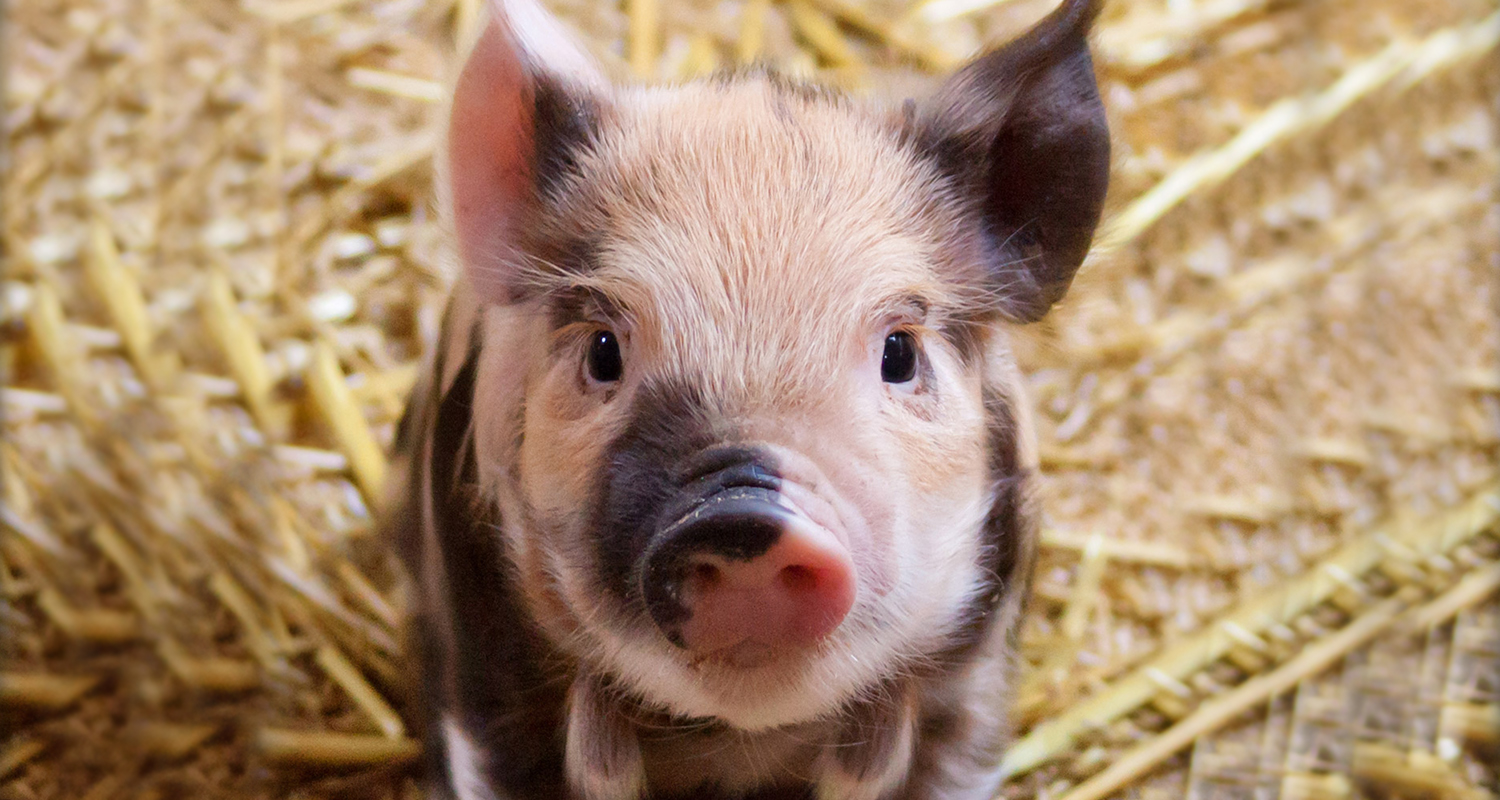
The effectiveness of current vaccines against PRRSV is due to the response of T cells against the disease, rather than the production of antibodies.