Feb 25, 2025
North Carolina State University has been recognized as one of the universities with the highest number of faculty selected for the Fulbright U.S. Scholar Programs. The U.S. Department of State’s Bureau of Educational and Cultural Affairs made the announcement today. “NC State’s recognition as a top Fulbright-producing institution demonstrates its strong dedication to global exchange…

Feb 10, 2025
Soft tissue preservation in fossils does not seem to depend upon the species, age or burial environment of the fossils.
Feb 4, 2025
A family suffering from illnesses that included neurological symptoms were co-infected with both Bartonella and Babesia.
Jan 24, 2025
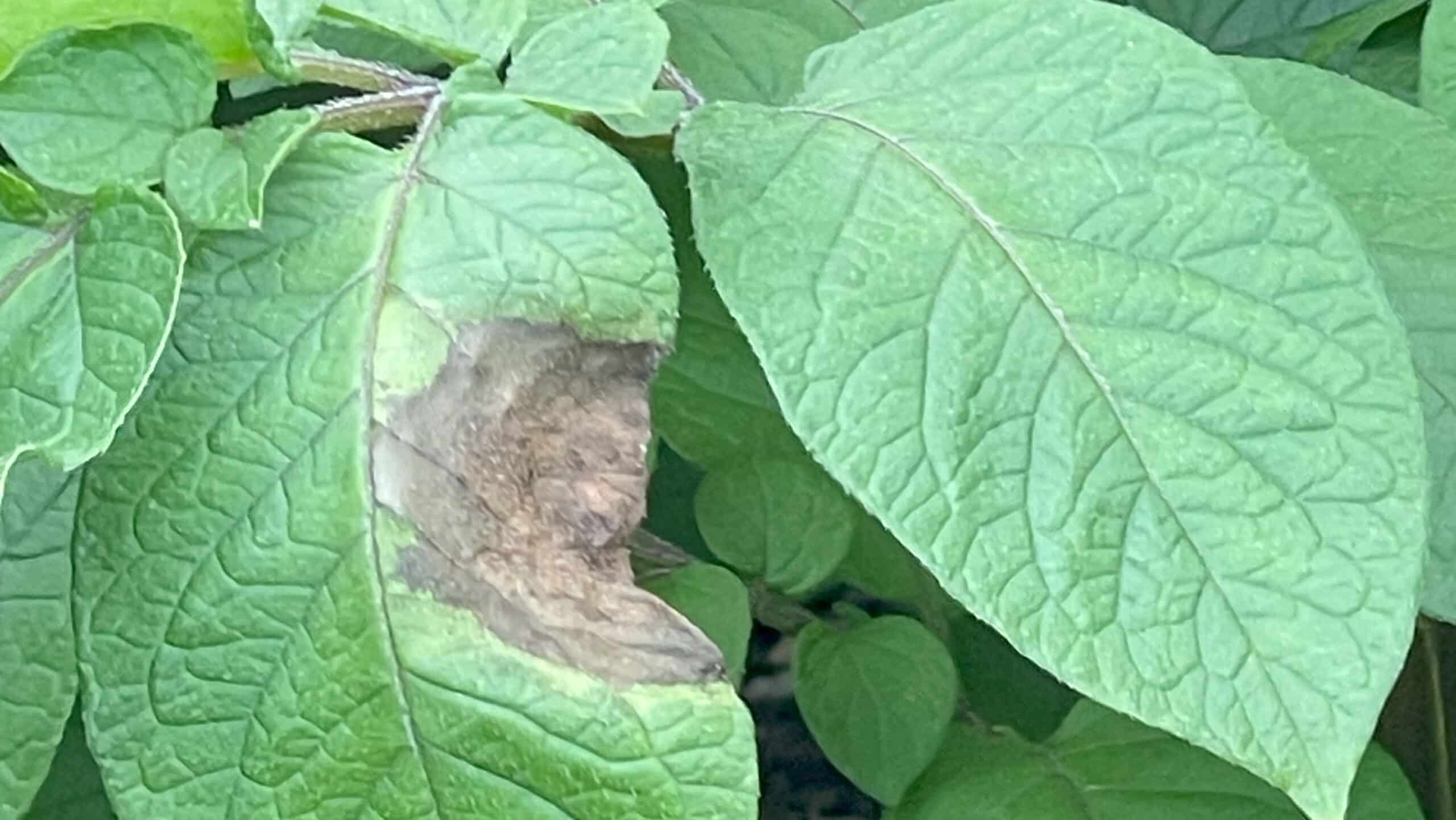
Spud sleuth Jean Ristaino and lab members solve a longstanding mystery into the origin of the Irish potato famine pathogen.
Jan 13, 2025
Radiation-induced mutation is unlikely to have induced genetic differences between dog populations in Chornobyl City and the nearby nuclear power plant.
Jan 8, 2025
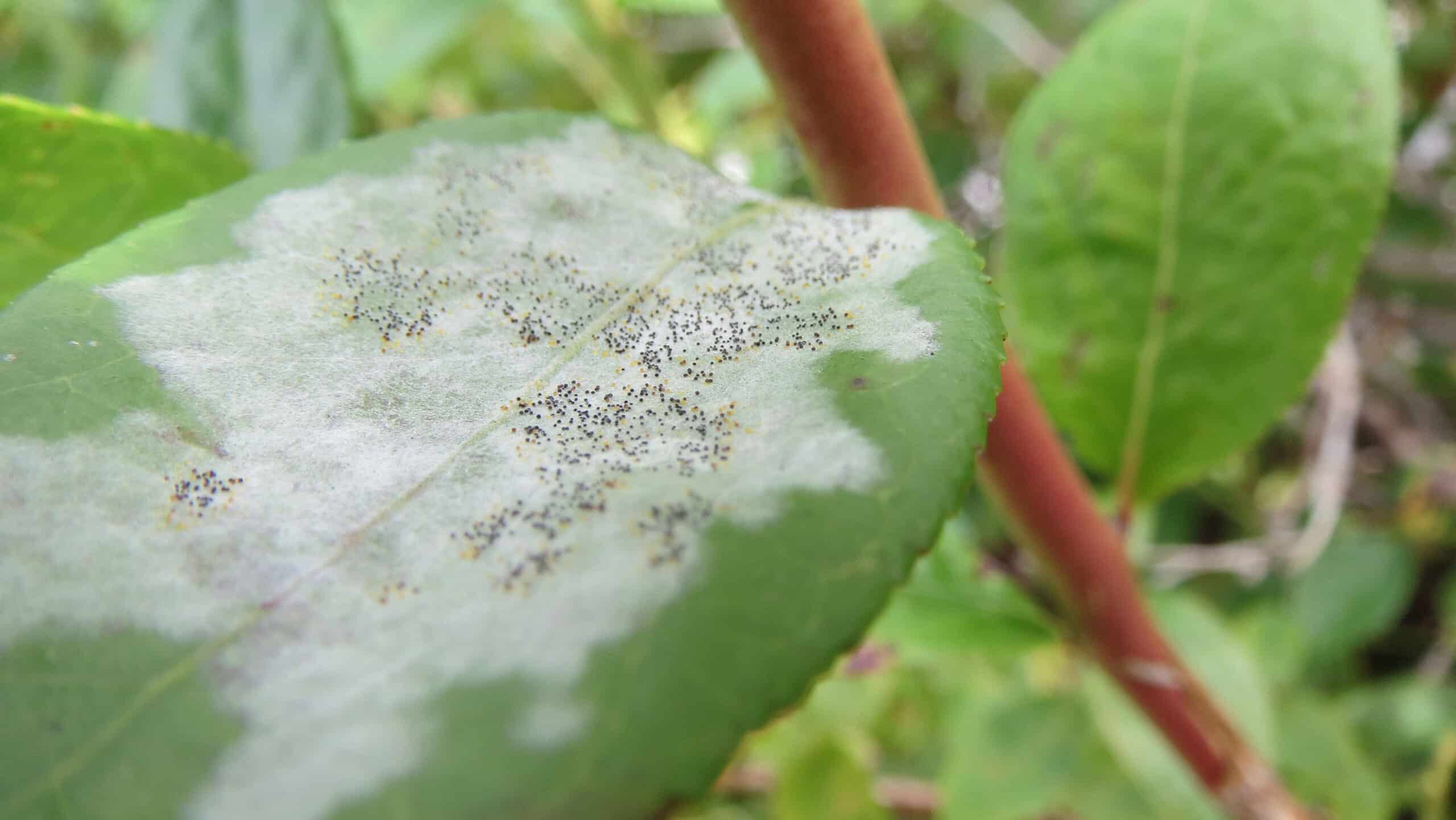
Research on fungus spread could help growers predict, monitor and control disease affecting blueberries.
One of the hottest periods in Earth’s history may have driven lampreys apart – genetically speaking.
Dec 2, 2024
Two subtypes of pathogenic E. coli produce five to 16 times more protective capsular “slime” when Enterococcus faecalis (EF) is present.
Nov 22, 2024
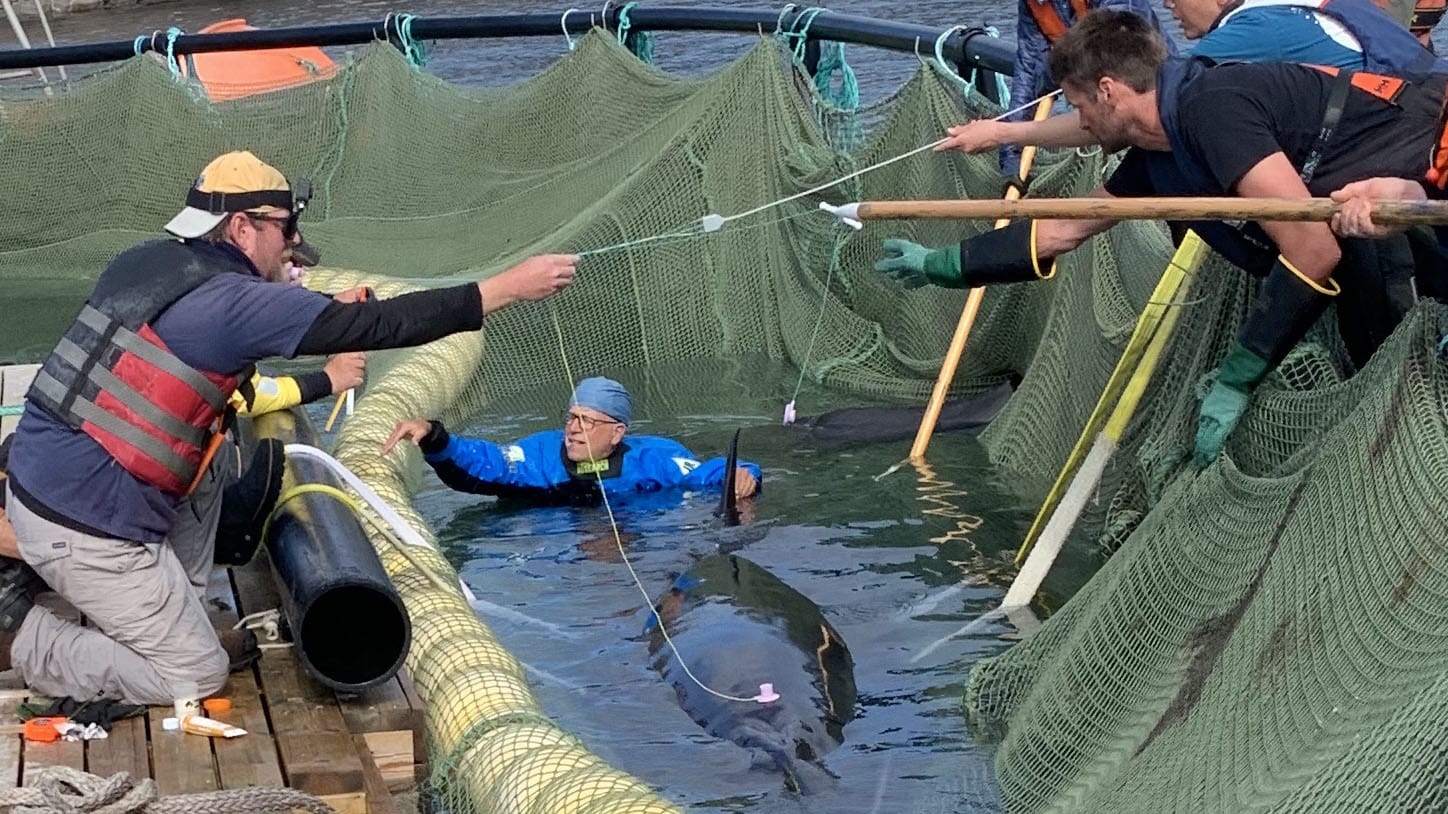
How do you test a whale's hearing? Craig Harms walks us through it.
Nov 20, 2024
New study indicates that diet, in addition to drinking water, can be an important human exposure pathway for PFAS.
Nov 4, 2024
In the animal kingdom, size and gestation length can impact cancer risk.
Oct 28, 2024
A 2023 heat wave helped establish processes that tease out whether particular weather events are climate related.
Oct 18, 2024
Specific molecular property of lignin in trees determines difficulty of using microbial fermentation to turn trees and other plants into industrial chemicals.
Oct 16, 2024
A newly discovered star could challenge some models of how stars evolve and the way they produce elements as they age.
Oct 10, 2024
Per- and polyfluoroalkyl chemicals, known commonly as PFAS, could take over 40 years to flush out of contaminated groundwater in North Carolina’s Cumberland and Bladen counties.
TOP LINKS