engineering

Apr 2, 2015

A Safer Way to Deal With Raw Sewage in the Developing World
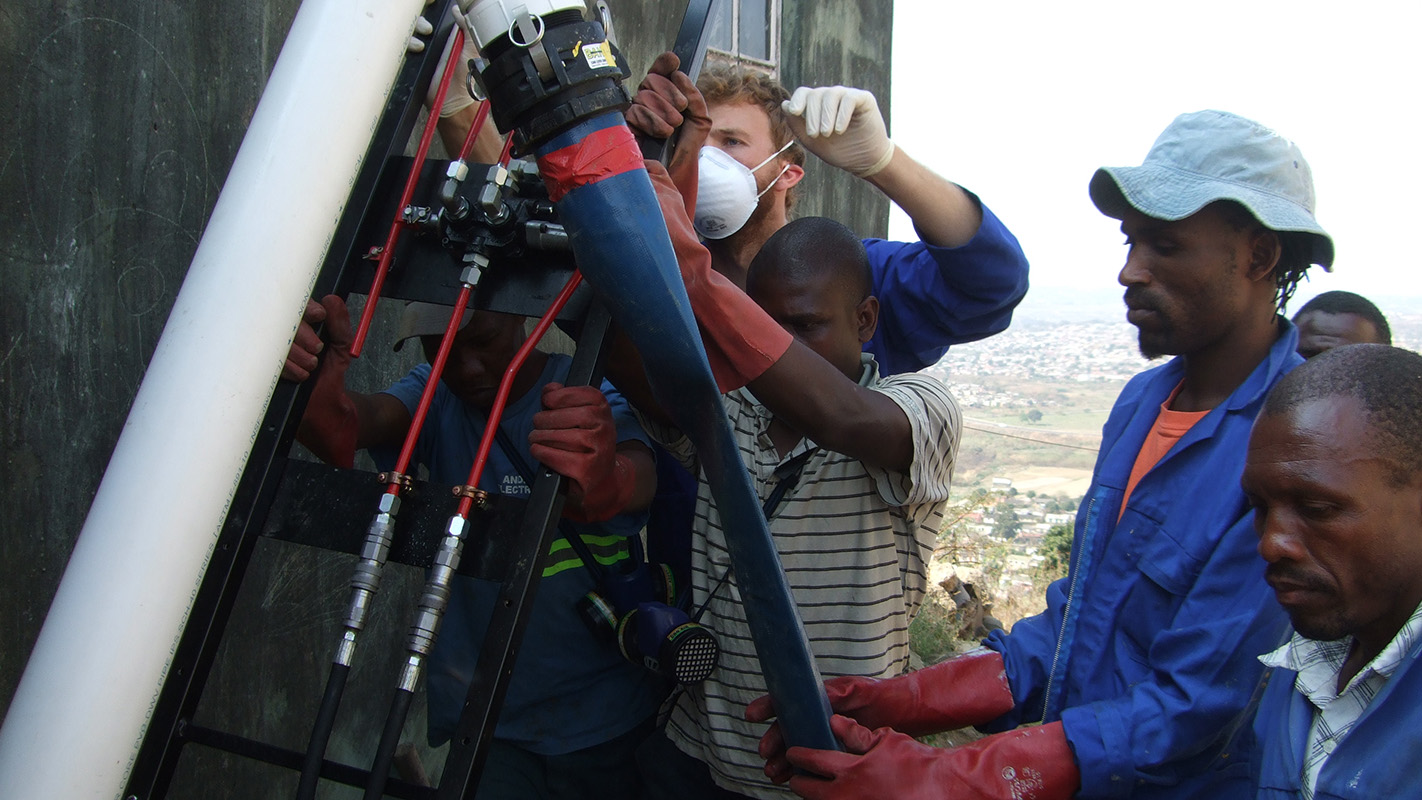
In 2011, an engineering student came up with an idea to save lives by help people in the developing world deal with raw sewage. Four years and several countries later, the technology is beginning to come into focus. 

Mar 19, 2015

Researchers Use Liquid Shearing Method to Create Nanofiber ‘Gusher’
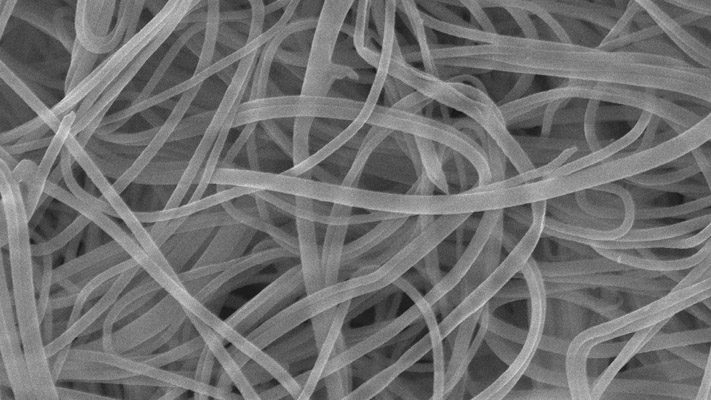
NC State researchers figure out the secret behind making "nanofiber gushers." 

Mar 18, 2015

An Improved Method for Coating Gold Nanorods

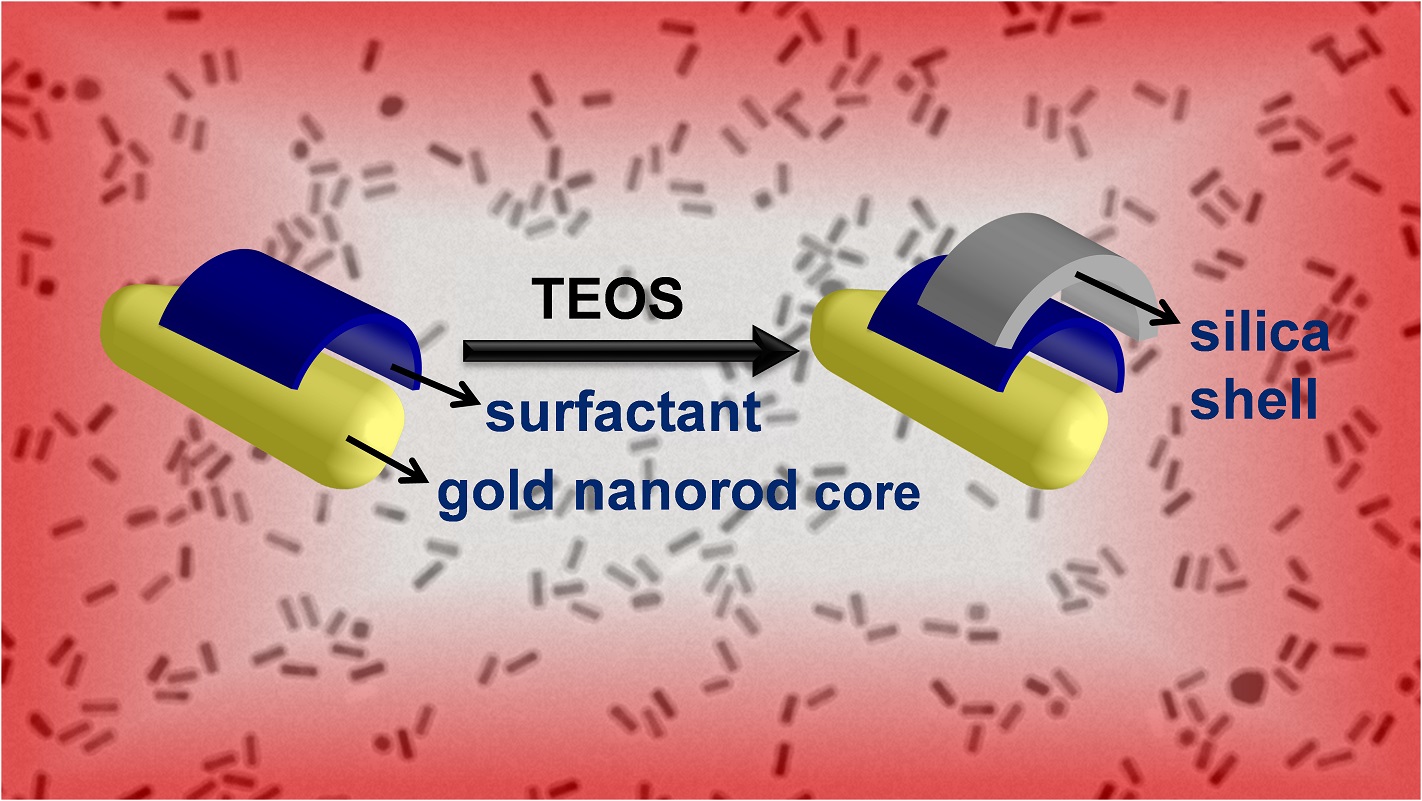
Researchers have fine-tuned a technique for coating gold nanorods with silica shells, allowing engineers to create large quantities of the nanorods and giving them more control over the thickness of the shell. Gold nanorods are being investigated for use in a wide variety of biomedical applications. 

Feb 16, 2015

Researchers Synthesize Material for Efficient Plasmonic Devices in Mid-Infrared Range
Researchers have identified a material that can be used to create plasmonic devices that create an intense electric field in response to light in the mid-infrared range. The discovery has applications in fields ranging from high-speed computers to solar energy to biomedical devices. 

Feb 13, 2015

Researchers Glimpse Distortions in Atomic Structure of Materials
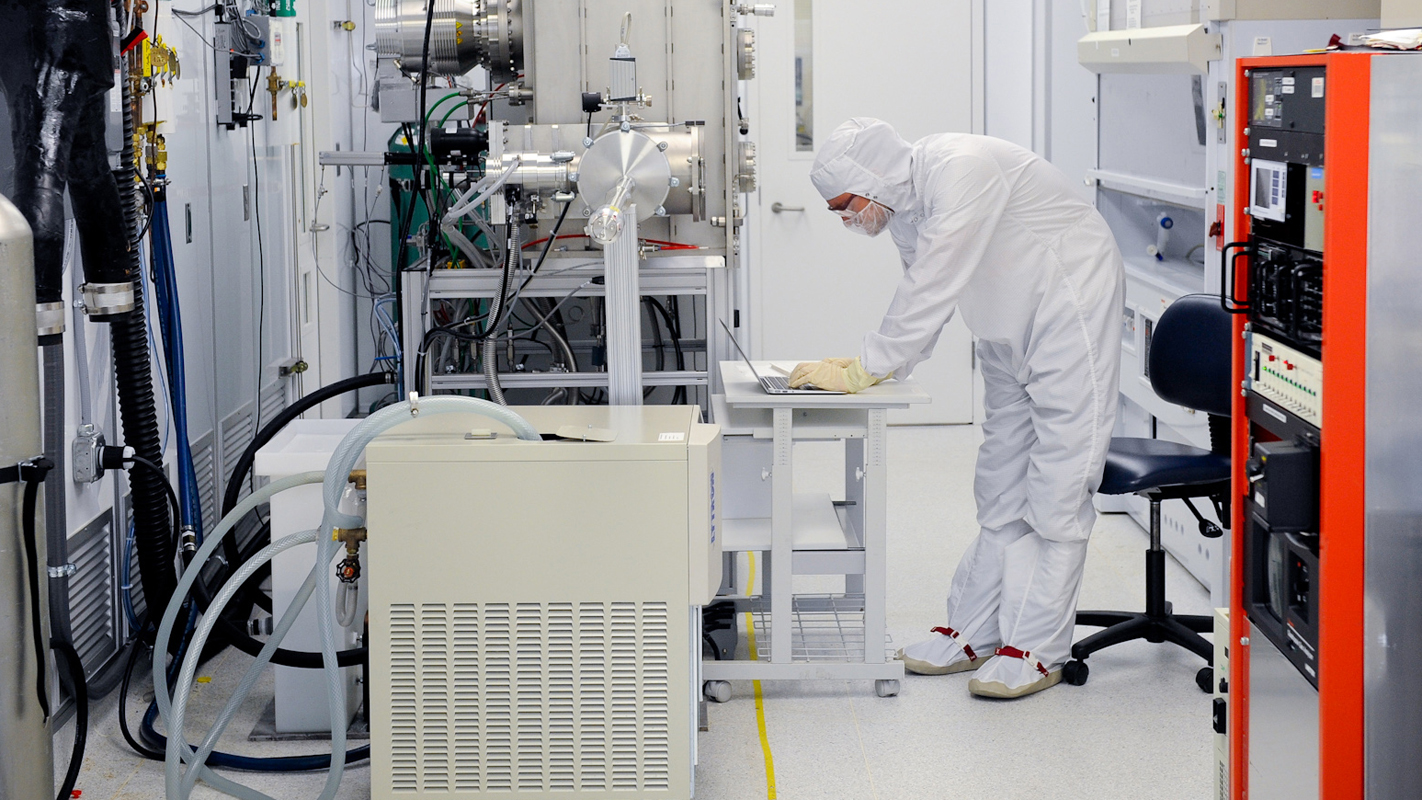
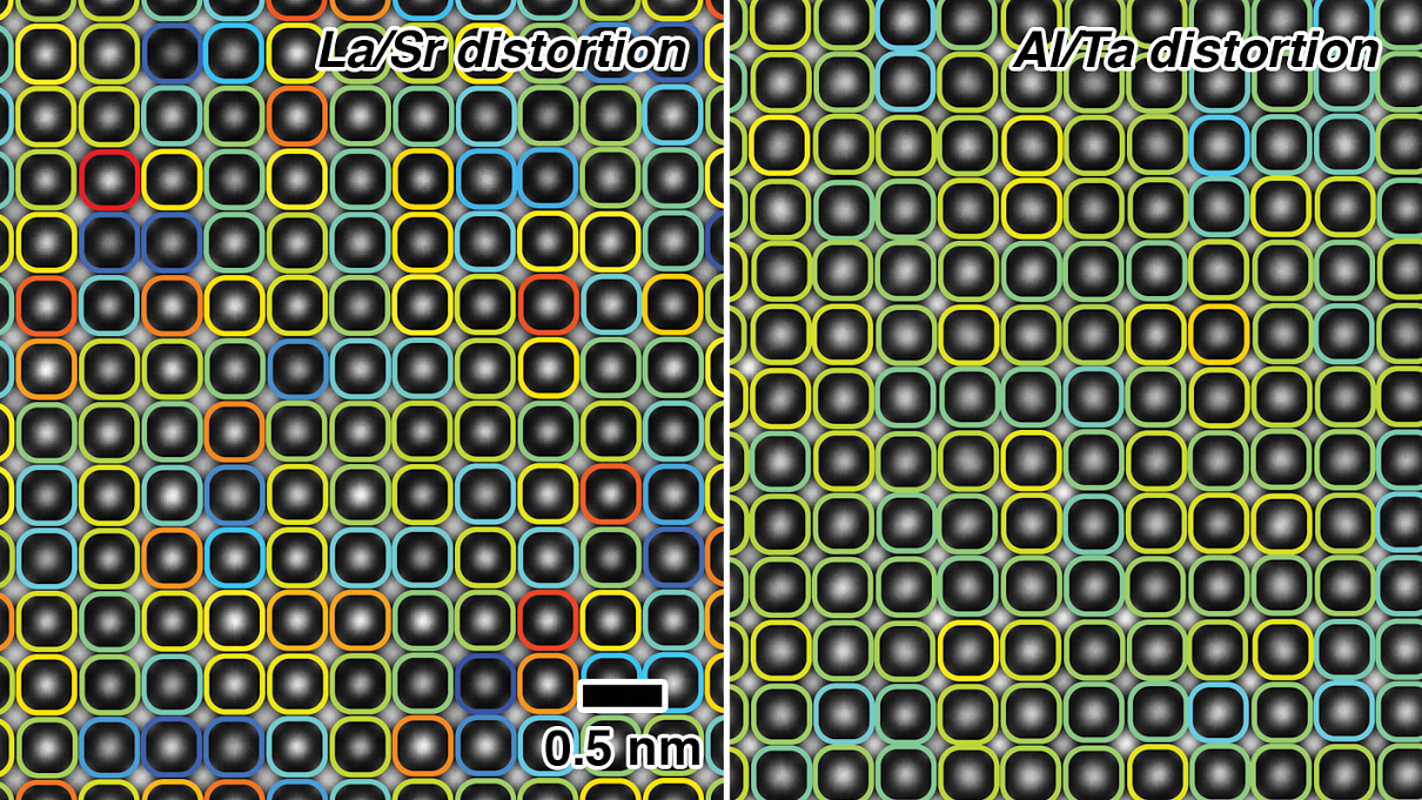
A technique developed at NC State is giving researchers an unprecedented glimpse of how materials are structured at the atomic level -- opening the door to studies on how subtle structural distortions at the atomic-scale can influence a material’s properties. 

Feb 11, 2015

NC State Researchers Land UNC System Research Grants
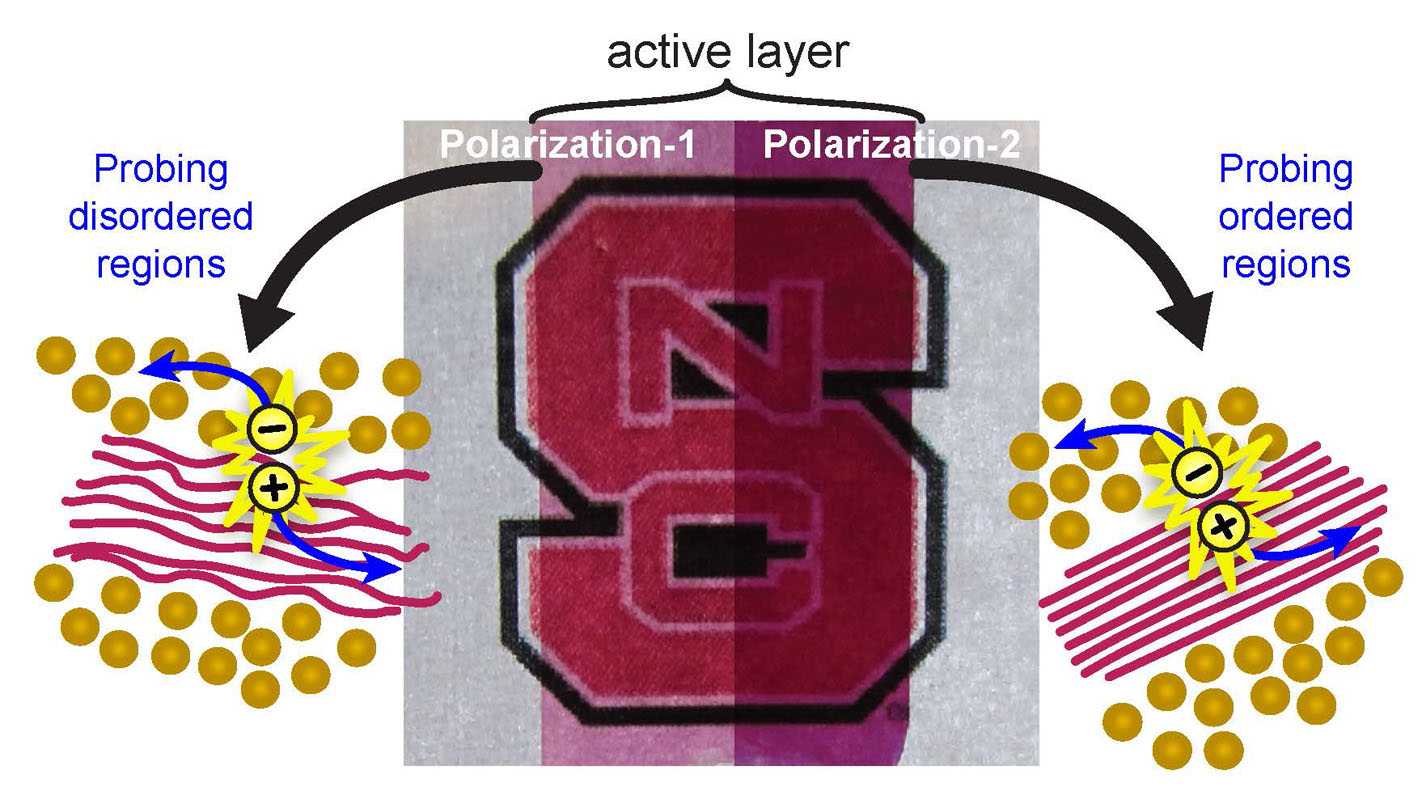
NC State is a key partner in five of six grants awarded as part of a new, statewide initiative designed to advance strategically-important collaborative research projects in North Carolina. 

Jan 23, 2015

New Technique Helps Probe Performance of Organic Solar Cell Materials
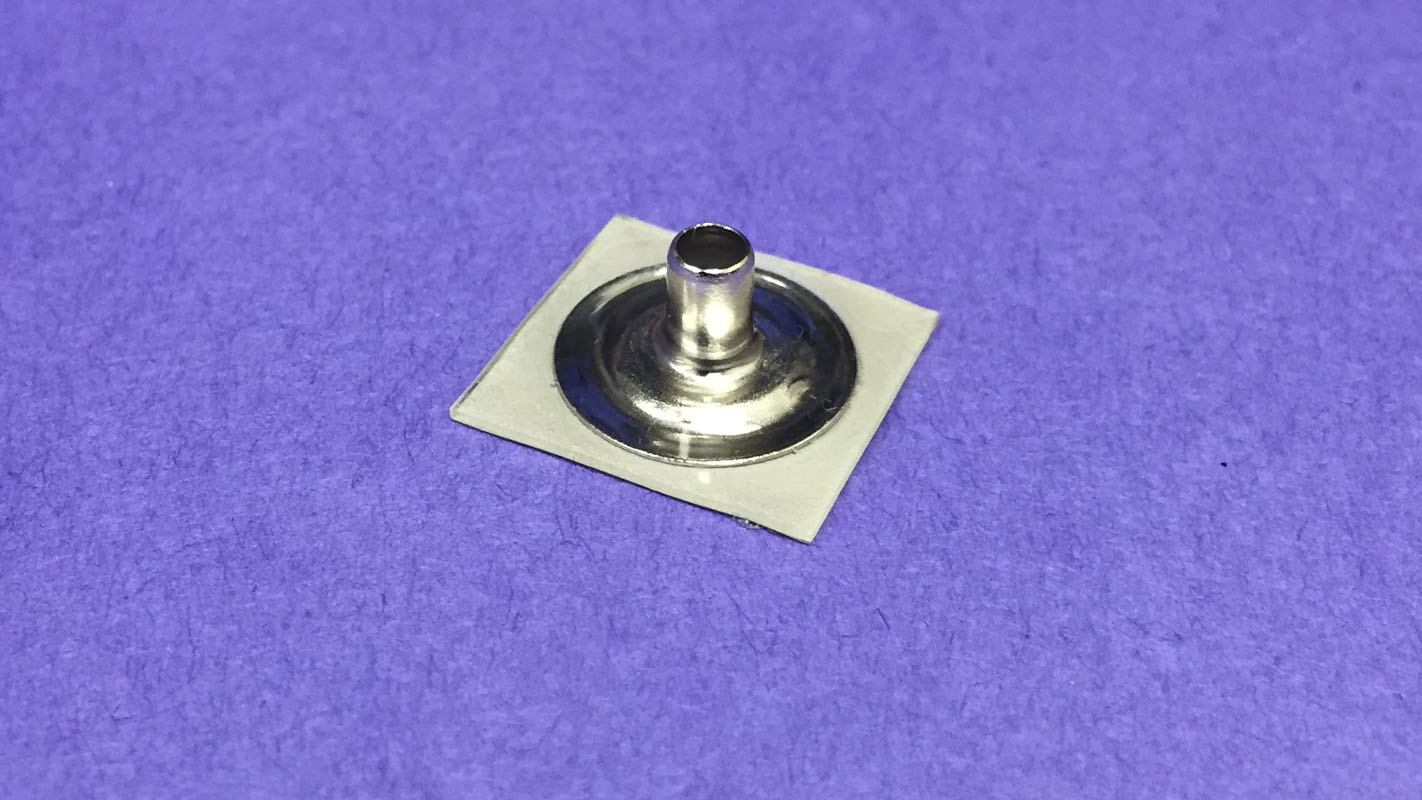
Researchers have developed a way to determine the role that a material’s structure has on the efficiency of organic solar cells, which are candidates for low-cost, next generation solar power. The finding will help guide future research and development efforts. 

Jan 20, 2015

Wearable Sensor Smooths Path to Long-Term EKG, EMG Monitoring
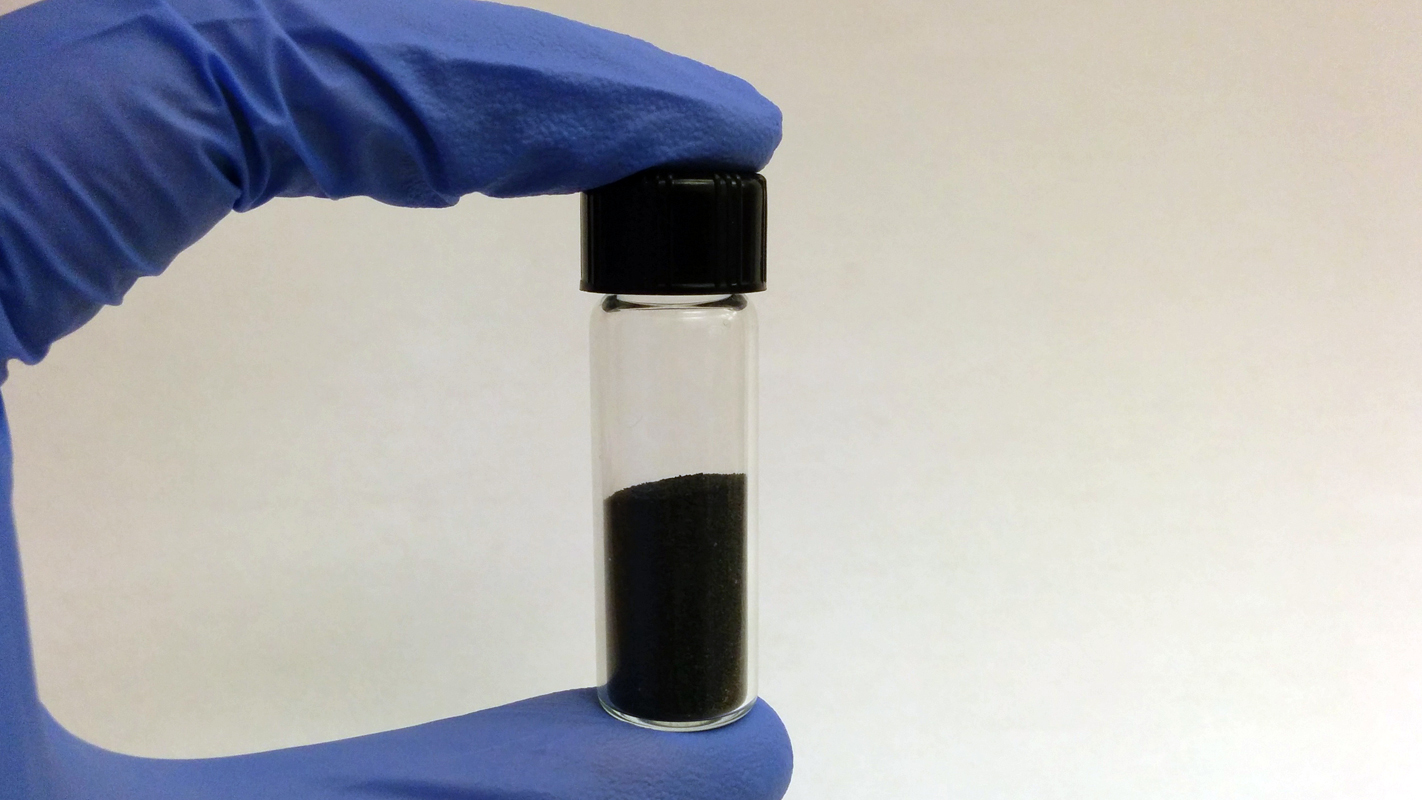
Researchers have developed a wearable sensor that uses silver nanowires to monitor electrophysiological signals. The sensor is as accurate as the “wet electrode” sensors used in hospitals for EKGs and EMGs, but can be used for long-term monitoring and is more accurate than existing sensors when a patient is moving. 

Jan 14, 2015

New Material, Technique Efficiently Produce Hydrogen, Syngas Fuel Feedstock

Researchers have developed a technique that uses a new catalyst to convert methane and water into hydrogen and a fuel feedstock called syngas with the assistance of solar power. 

Jan 13, 2015

Researchers Develop Novel Multiferroic Materials and Devices Integrated With Silicon Chips
Researchers have made two advances in multiferroic materials, including integrating them on a silicon chip, which will allow the development of new electronic memory devices. The researchers have already created prototypes of the devices and are in the process of testing them. 

Jan 6, 2015

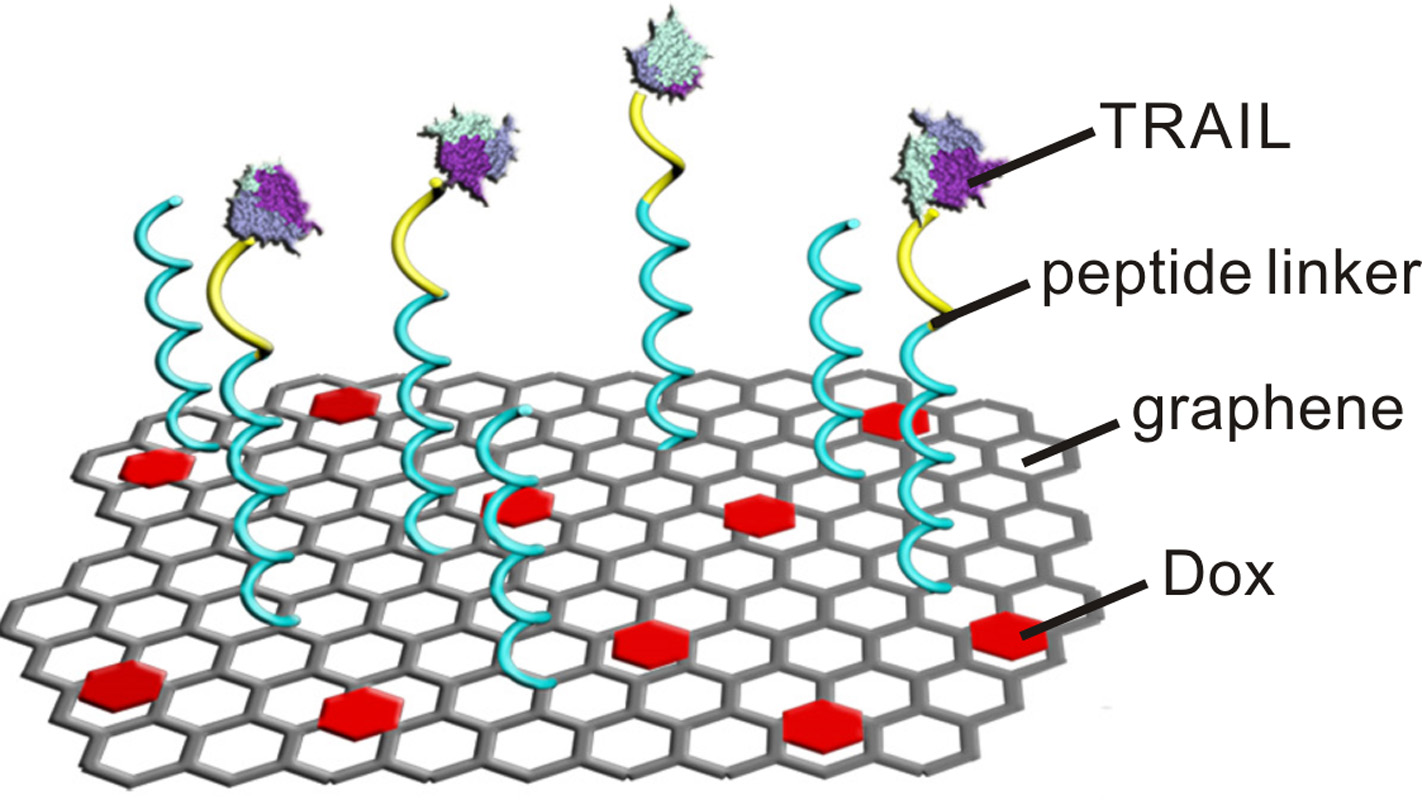
‘Flying Carpet’ Technique Uses Graphene to Deliver One-Two Punch of Anticancer Drugs

Researchers develop nanoscale “flying carpets” to deliver anticancer drugs directly to targeted parts of cancer cells. 

Dec 18, 2014

Will Rapprochement Mean New Research Collaborations Between Cuba and the U.S.?

We asked Ruben Carbonell, National Academies member, Cuban American, and professor at NC State, what the rapprochement between Cuba and the U.S. may mean for fostering relationships and collaborations between U.S. research institutions and their Cuban counterparts. 

Dec 18, 2014

New Technique Moves Researchers Closer to New Range of GaN Biosensors

Researchers have found a way of binding peptides to the surface of gallium nitride (GaN) in a way that keeps the peptides stable even when exposed to water and radiation. The discovery moves researchers one step closer to developing a new range of biosensors for use in medical and biological research applications. 

Dec 12, 2014

NC State Innovation Lights Amsterdam’s Rainbow Station

NC State technology helps an artist create a vibrant image in Amsterdam's Central train station. Discover the science behind the magical Rainbow Station. 

Dec 11, 2014

Stacking Two-Dimensional Materials May Lower Cost of Semiconductor Devices

Researchers have found that stacking materials that are only one atom thick can create semiconductor junctions that transfer charge efficiently, regardless of whether the crystalline structure of the materials is mismatched – lowering the manufacturing cost for a wide variety of semiconductor devices such as solar cells, lasers and LEDs.