entomology

Feb 22, 2016

Rediscovering the Forgotten Benefits of Drawing
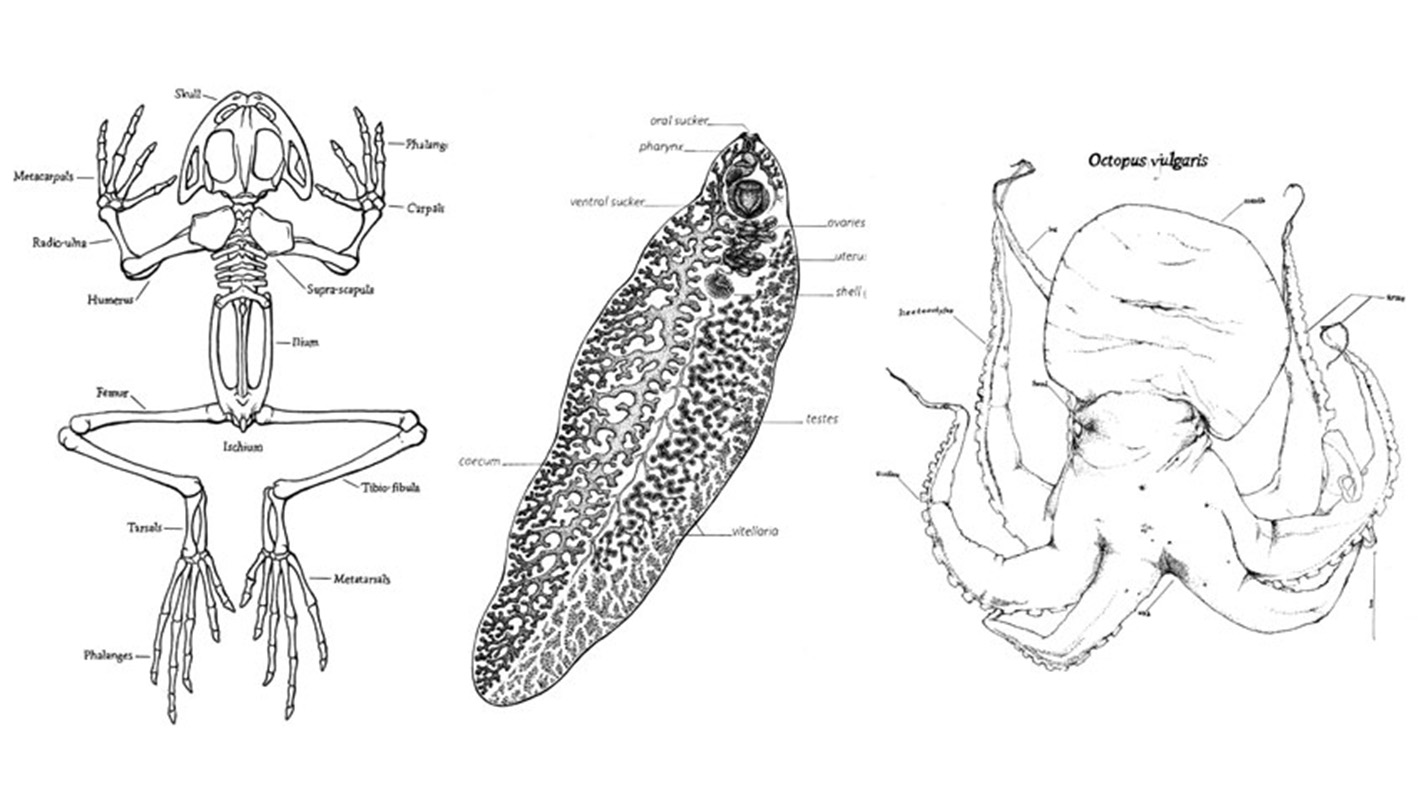
Over a century ago, the ability to draw was a necessity. No cameras, printers, copiers, or online images - if you wanted to convey information visually, you had to do it yourself. Jennifer Landin explains why those skills are still important. 

Feb 9, 2016

Duplicate DNA a Hallmark of Tick Genome
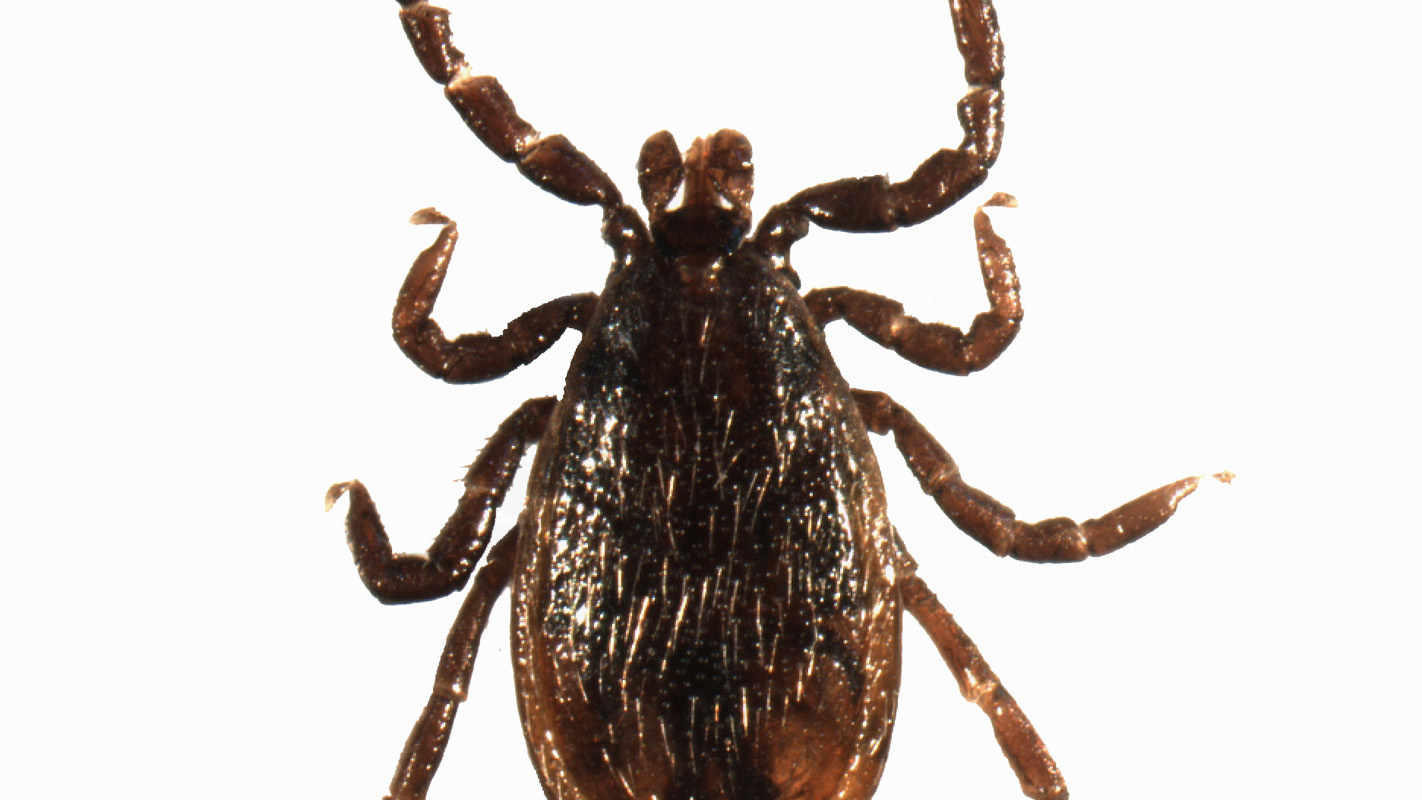
What makes the tick, well, tick? NC State researchers involved in sequencing the pest's genome find a number of answers. 

Feb 3, 2016

Mixed Signals: Study Finds Insect Species Use Very Different Chemicals to Identify Queens
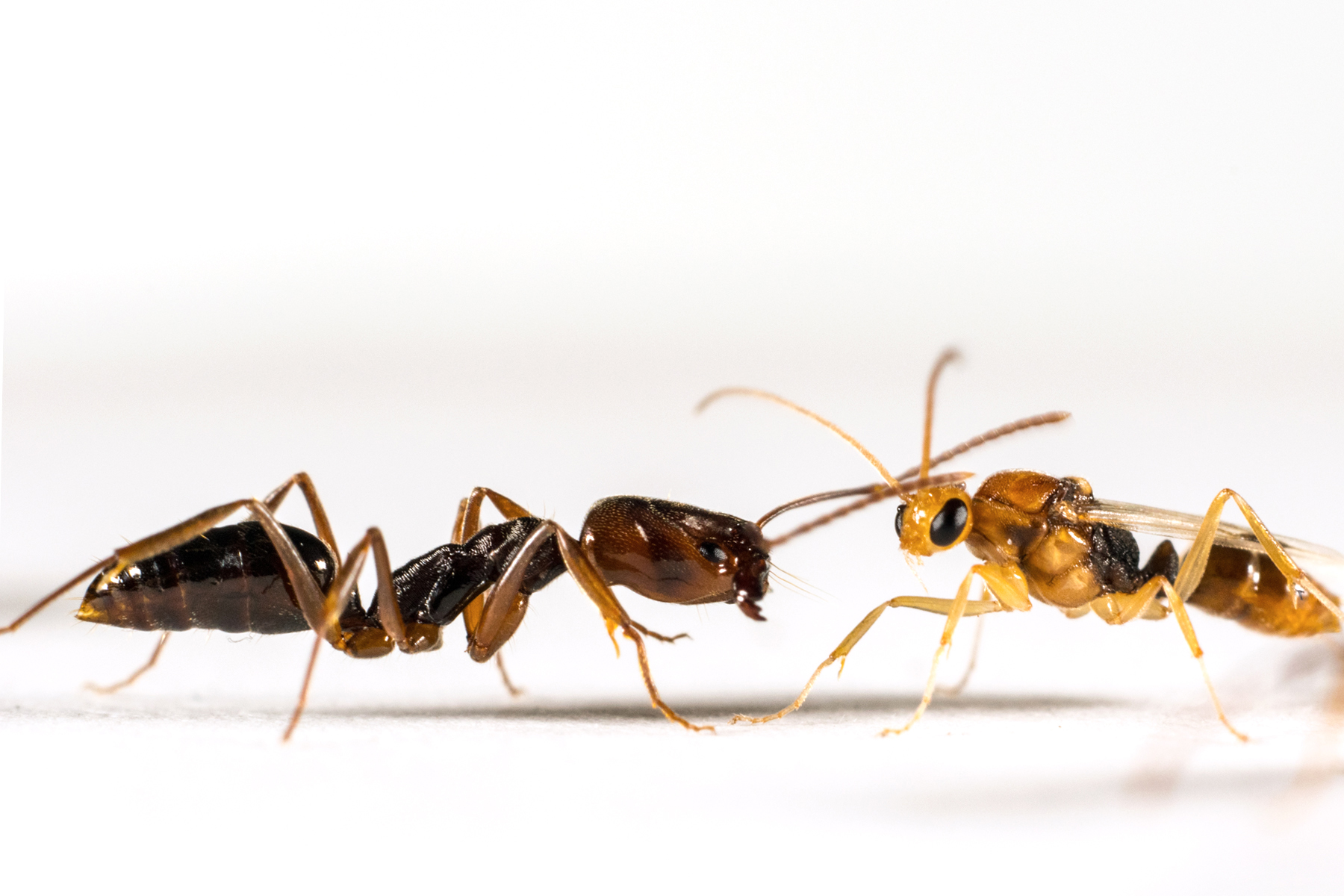
It had been thought that all ants, wasps and other eusocial insects used a common class of chemical compounds to distinguish queens from workers and other members of their colonies or hives. But new research finds that there is significant variation in these chemical signals, even between closely related species. 

Feb 2, 2016

Researchers Sequence Bedbug Genome, Find Unique Features

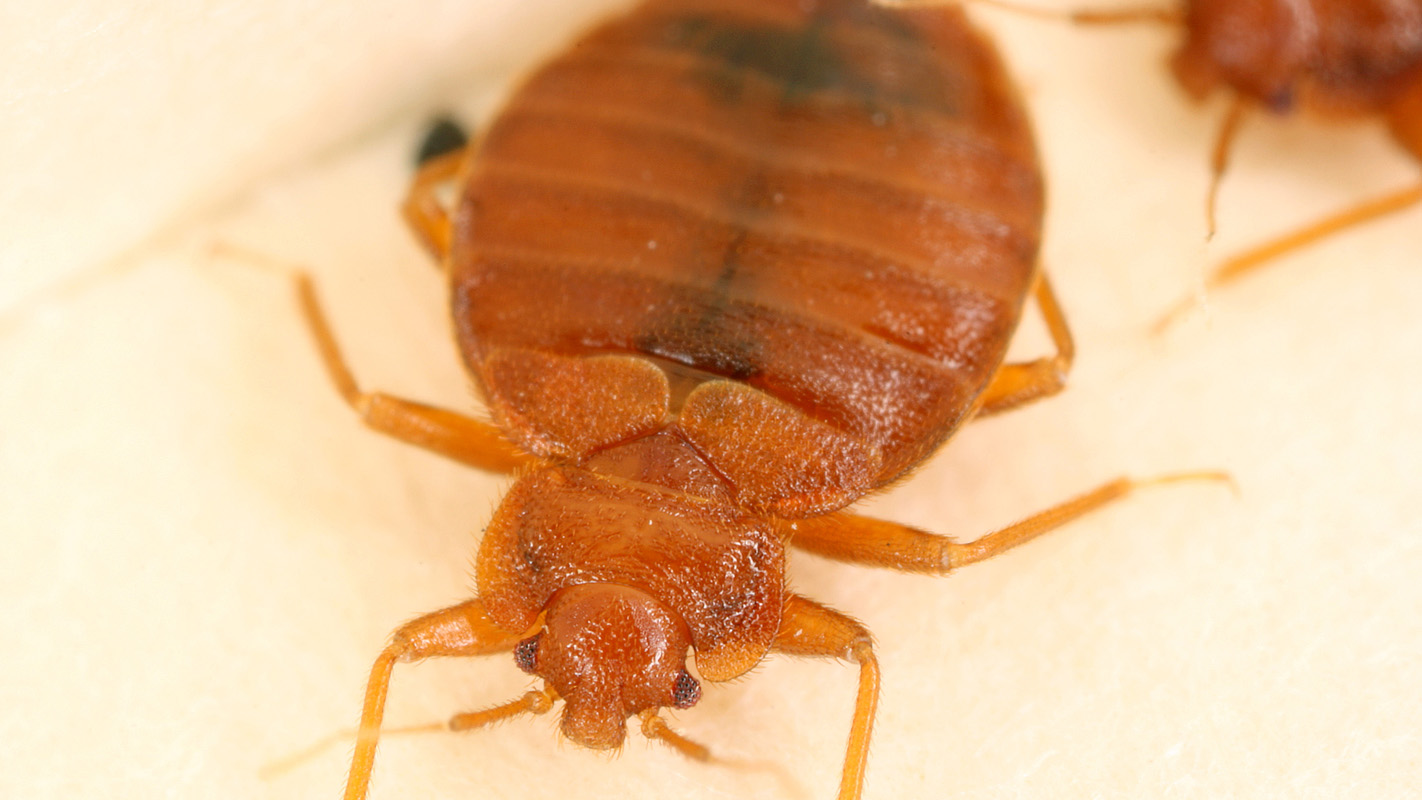
Entomologist Coby Schal leads effort to reveal the genomic blueprint behind the bedbug's reviled characteristics. 

Jan 29, 2016

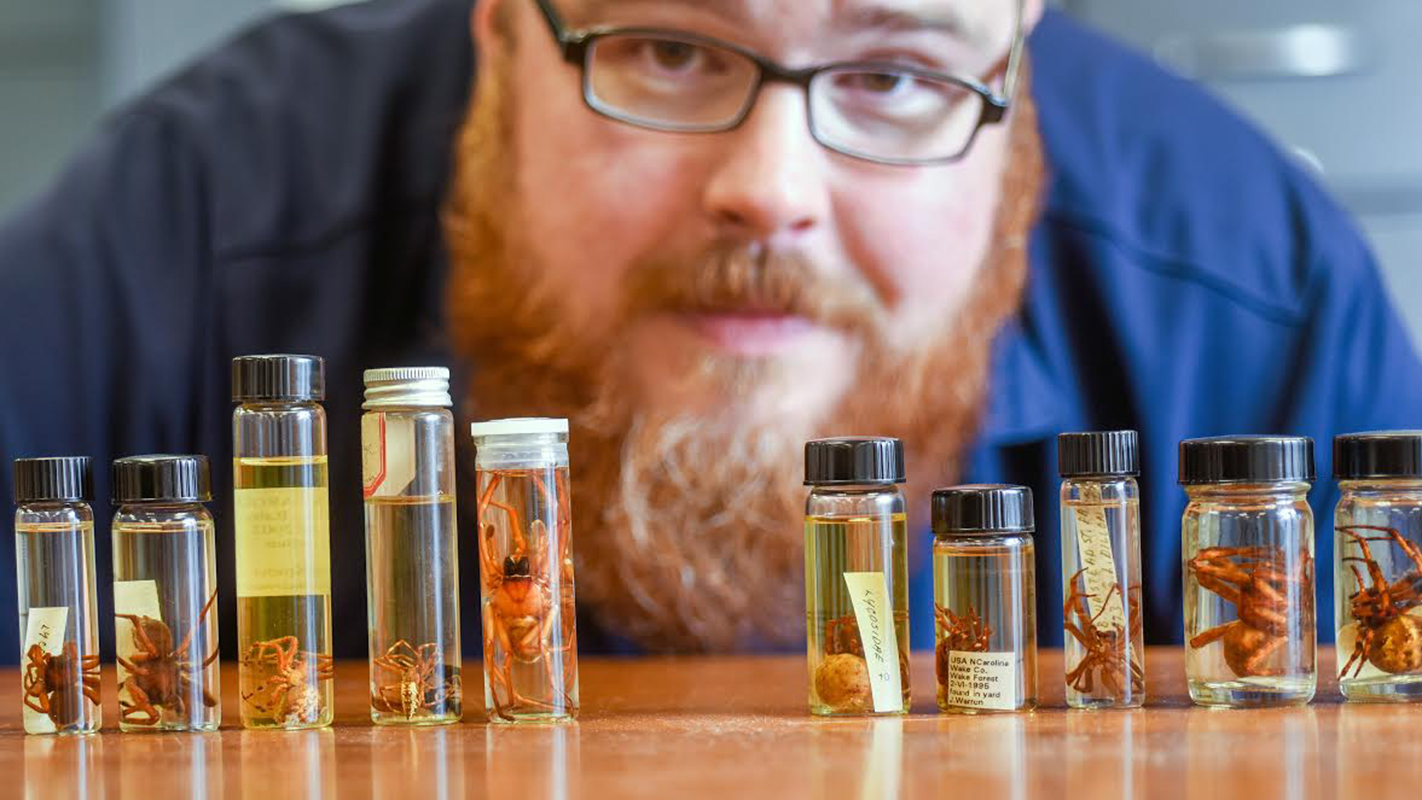
NC State Expert on Zika Virus Available
Entomologist Michael Reiskind can help reporters who have questions about the Zika virus. 

Jan 19, 2016

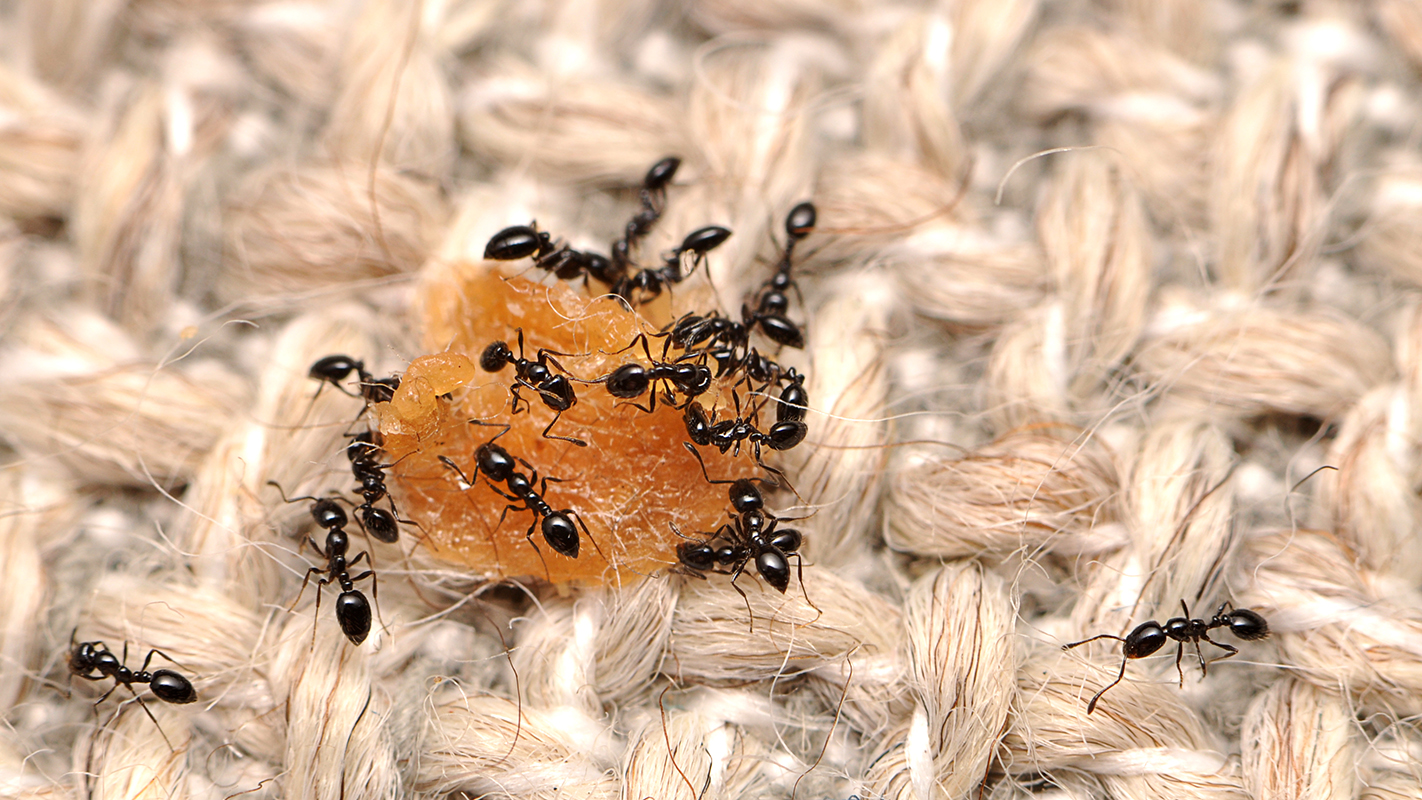
First Study of Arthropods in U.S. Homes Finds Huge Biodiversity
The first study to evaluate the biodiversity of arthropods in U.S. homes finds that humans share their houses with any of more than 500 different kinds of arthropods – at least on a short-term basis. 

Dec 1, 2015

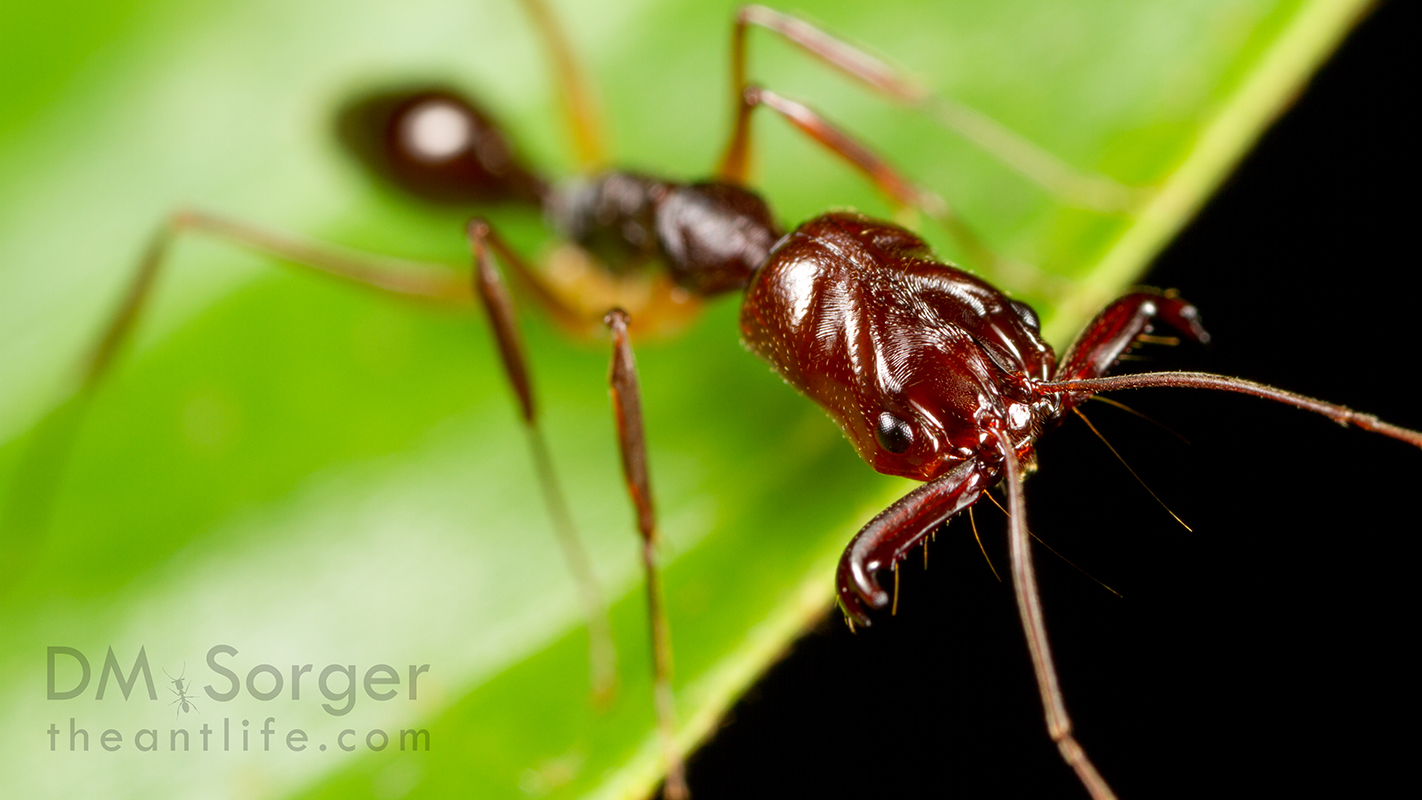
Trap-jaw Ants Exhibit Previously Unseen Jumping Behavior
A species of trap-jaw ant has been found to exhibit a previously unseen jumping behavior, using its legs rather than its powerful jaws. The discovery makes this species, Odontomachus rixosus, the only species of ant that can jump with either its legs or its mandibles. 

Nov 4, 2015

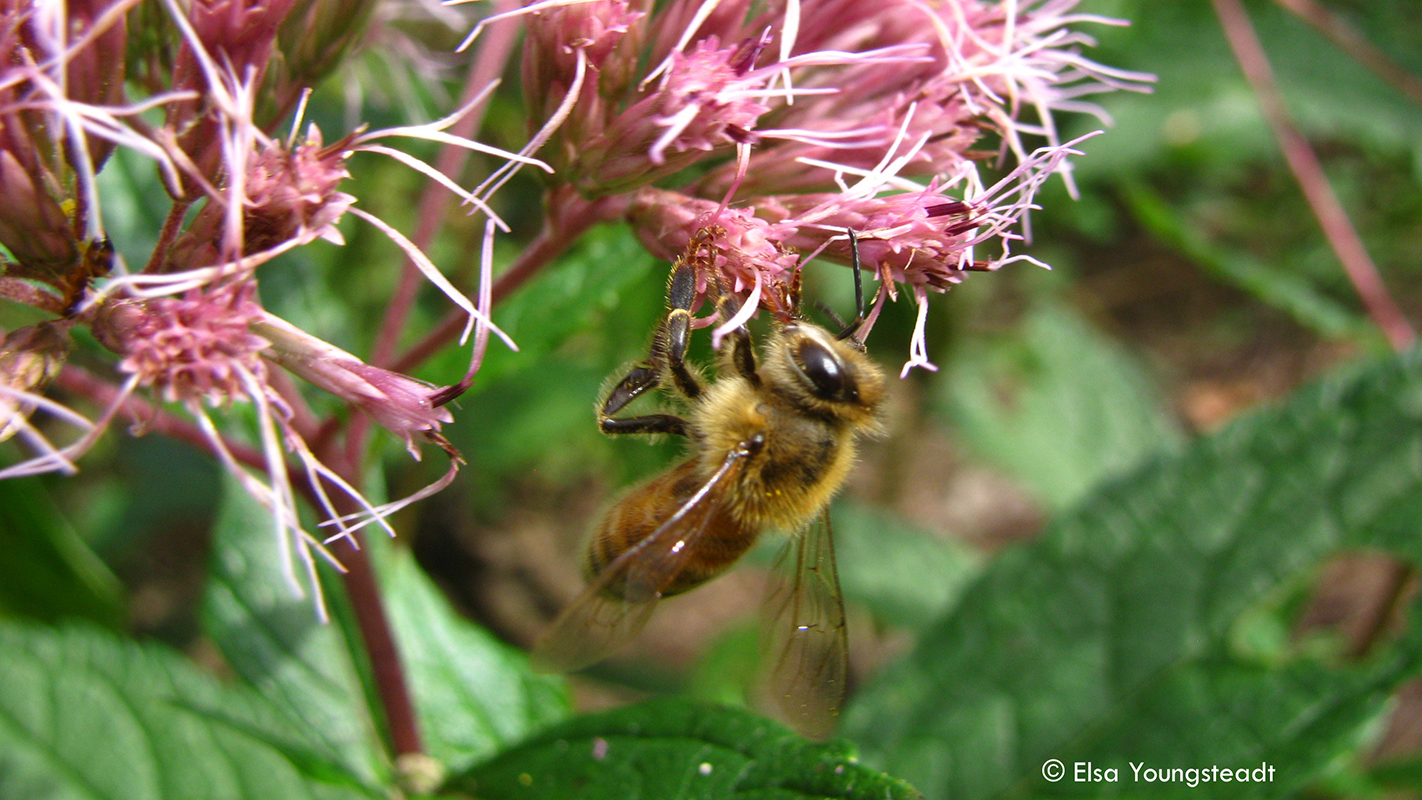
Urban Environments Boost Pathogen Pressure on Honey Bees
Researchers have found that urban environments increase pathogen abundance in honey bees and reduce their survival. The finding raises significant questions as urban areas continue to grow at the expense of rural environments, and urban beekeeping becomes more popular. 

Oct 26, 2015

Spiders: How Spooky Are They?

Spooky scenes of fake spiders in giant webs are everywhere this time of year. But despite the Halloween hype, spiders hardly deserve their reputation as dangerous creatures. 

Jul 20, 2015

The Ecology of the Future and the Future of Ecology
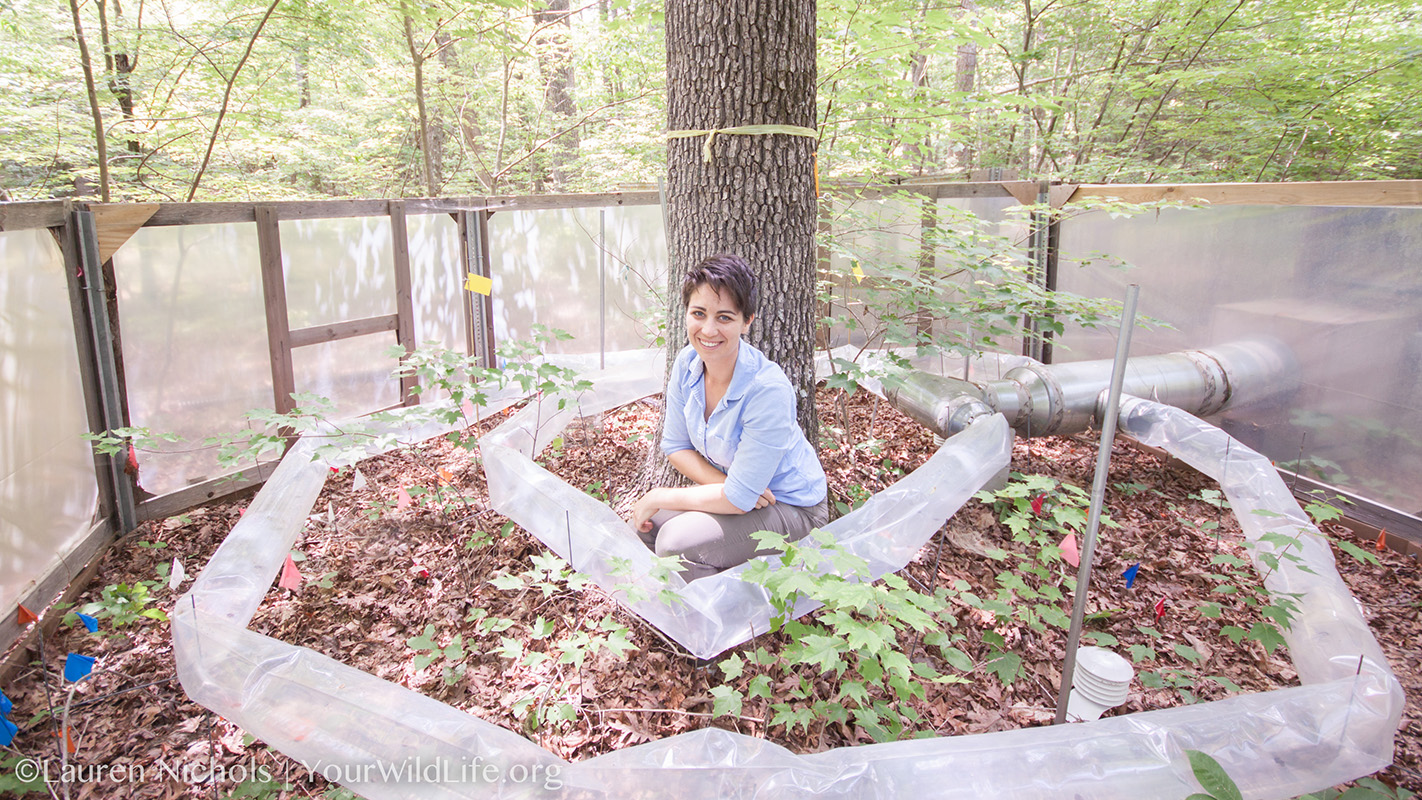
Biologists are trying to understand the impact of global climate change while also working with college students from underrepresented groups to help shape the future of ecology research. 

Jul 7, 2015

All About Those Summertime Creepy Crawlies
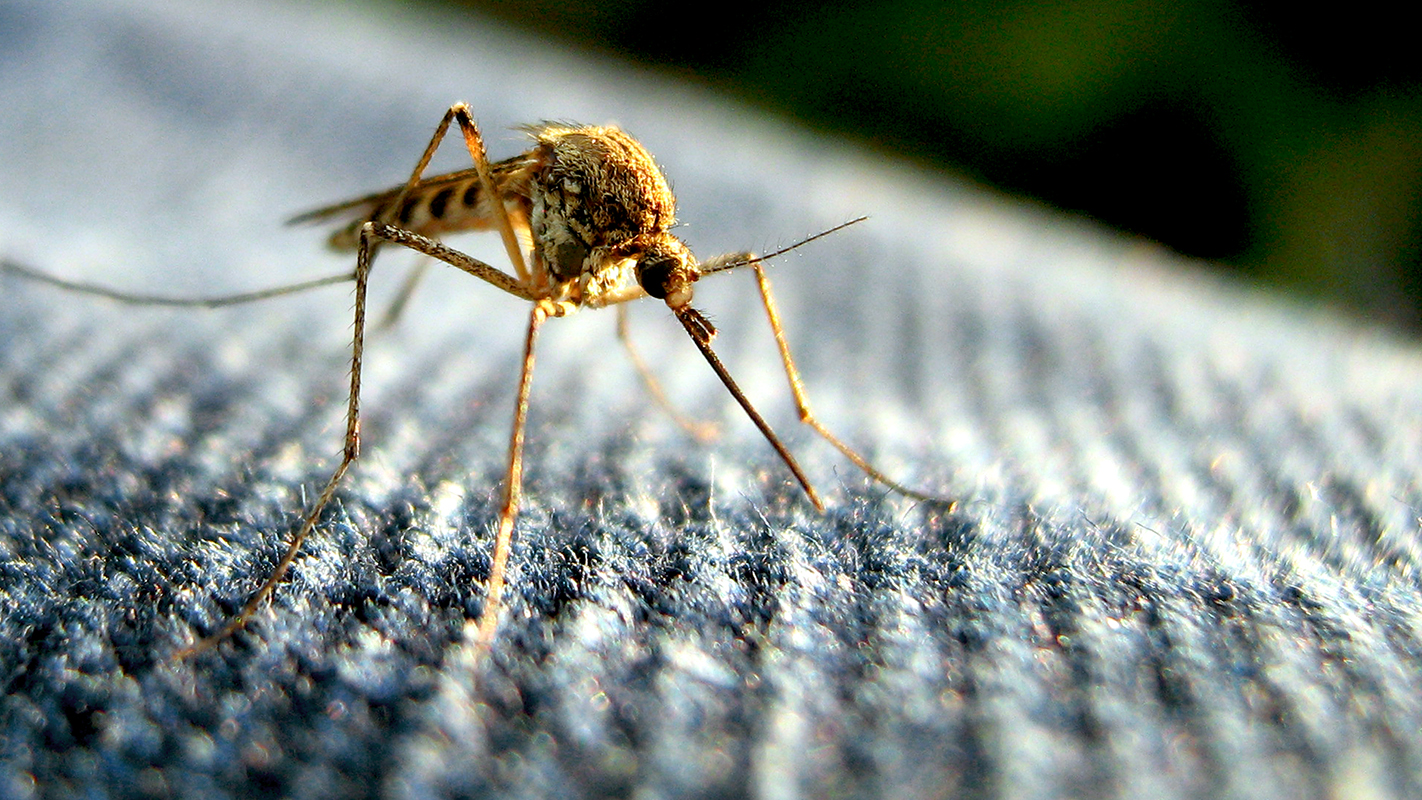
Learn more about the insects and arachnids that can make a summer day (or any day) miserable. 

Jun 9, 2015

Experts Convene to Discuss How to Protect Bees, Other Pollinators
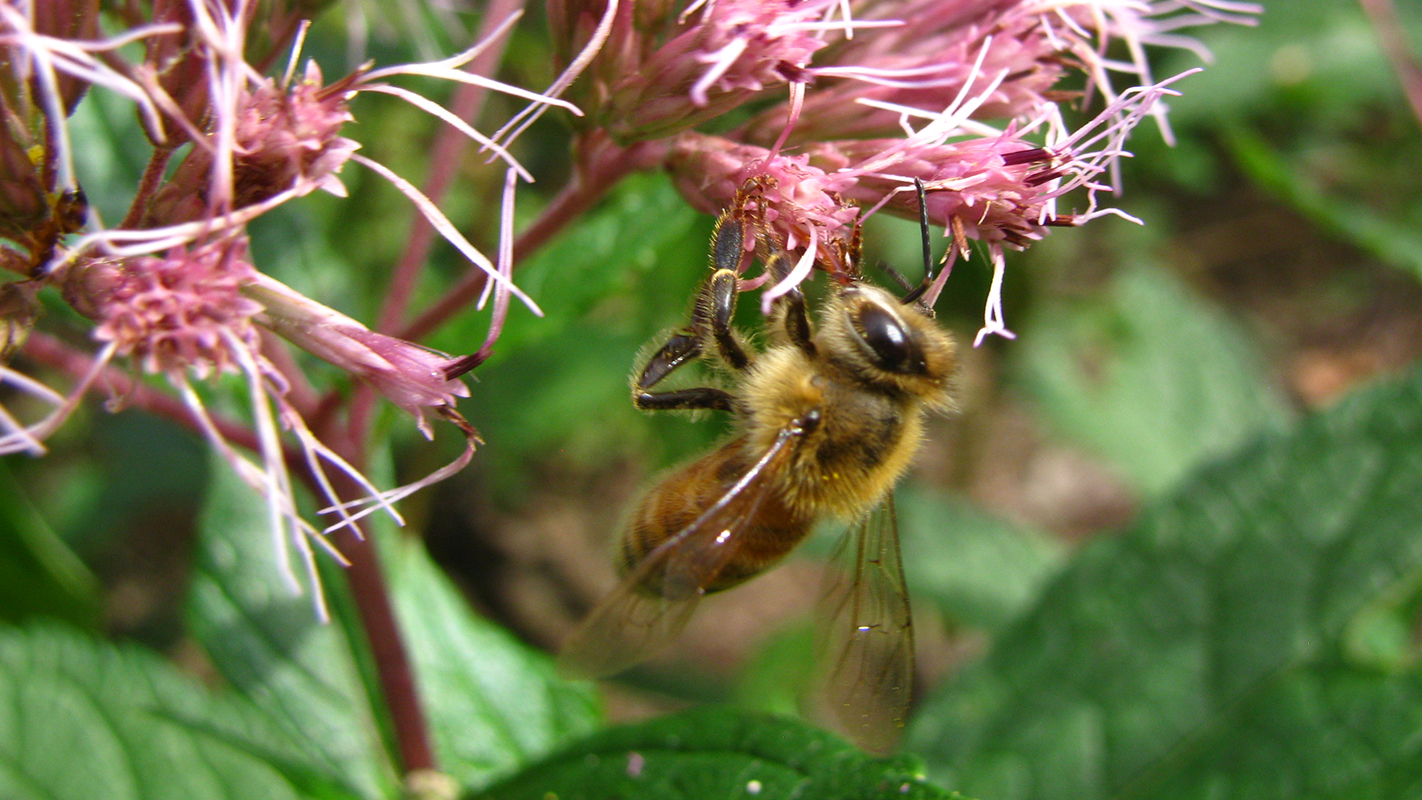
This autumn, researchers, educators, and industry experts from around the country will descend on a small town in rural North Carolina to discuss a question with repercussions for both the economy and the environment: what can be done to protect bees and other pollinators? 

Jun 8, 2015

Yes, That Ant Does Smell Like Blue Cheese
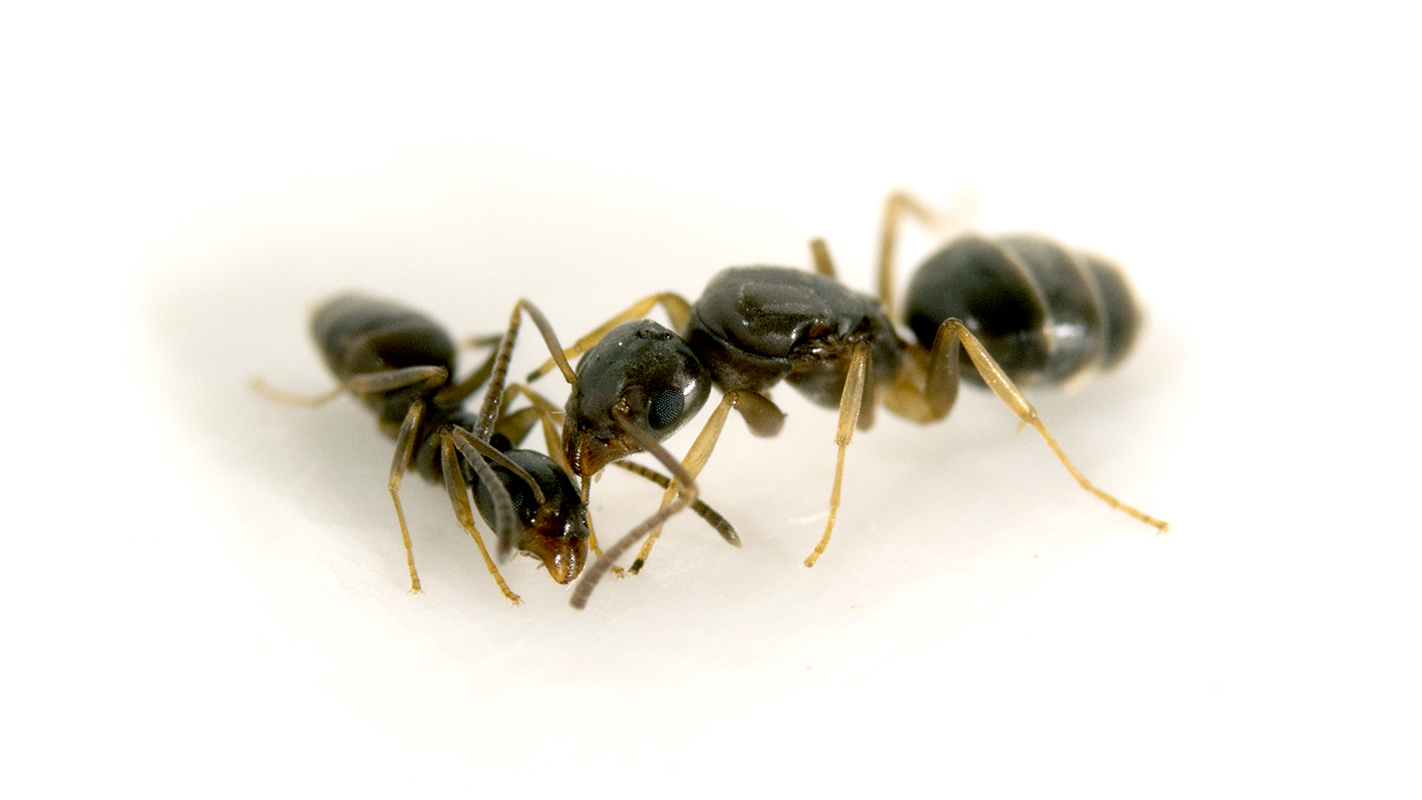
How curiosity, blue cheese, and a buried coconut revealed something new about the chemistry of ants. 

Jun 2, 2015

Researchers Seek Sneak Peek Into the Future of Forests
NC State scientists are bringing in researchers from around the country to participate in a project to get a glimpse of the future of forests in a warmer world. 

May 20, 2015

Field Study Shows How a GM Crop Can Have Diminishing Success at Fighting Off Insect Pest

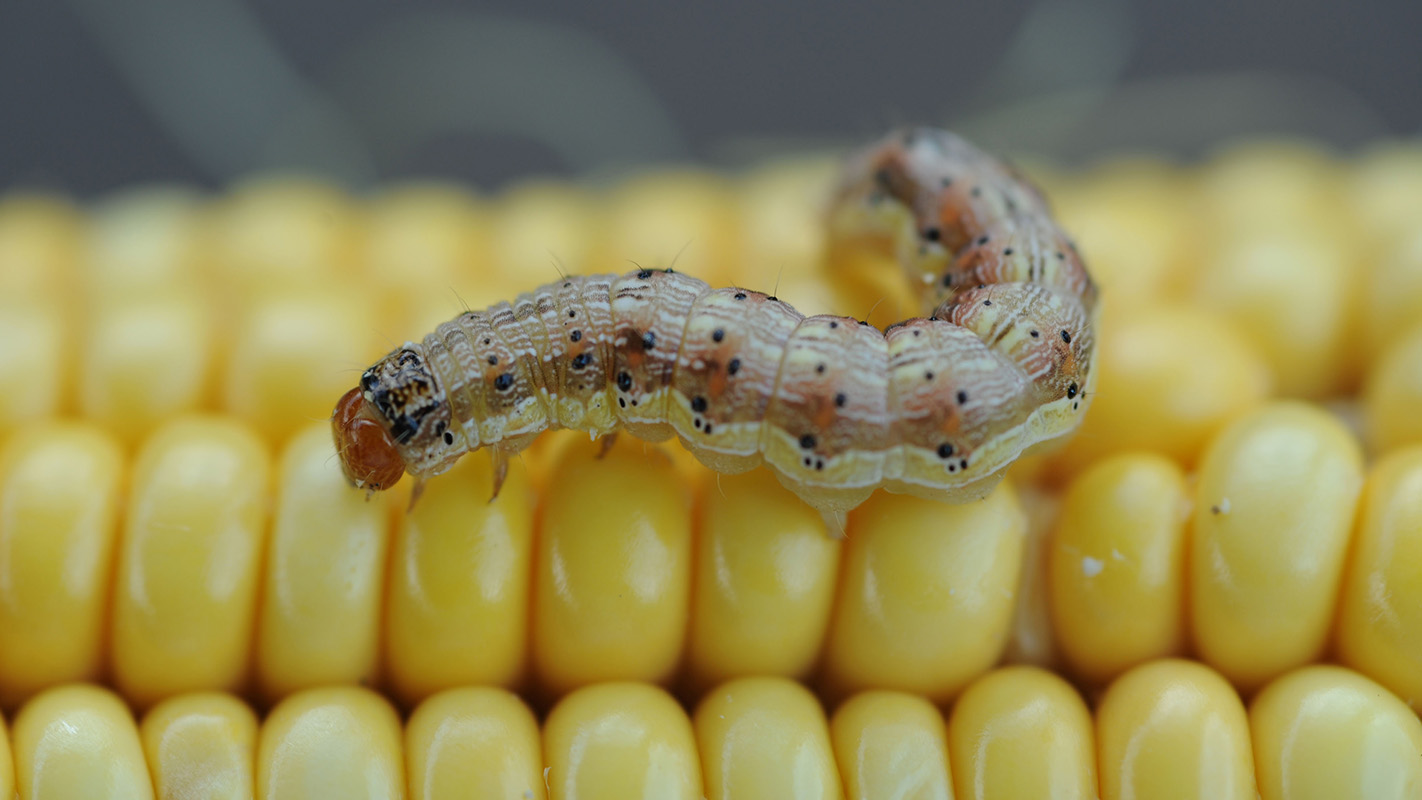
Research finds the toxin in a widely used GM crop is having little impact on the crop pest called corn earworm – which is consistent with predictions made almost 20 years ago that were largely ignored.