Mar 22, 2016
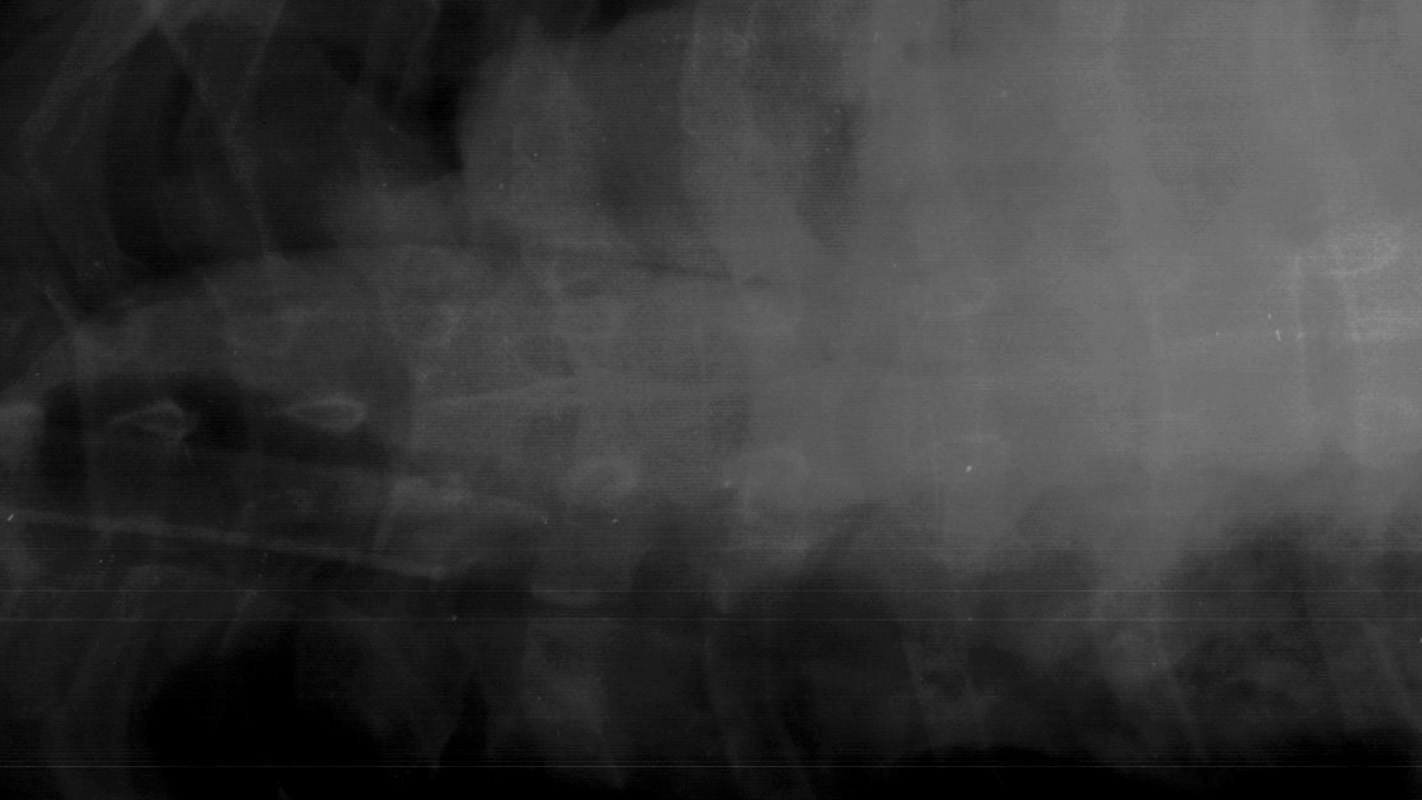
Forensic researchers have for the first time established science-based standards for identifying human remains based on X-rays of an individual’s spine, upper leg or the side of the skull.
Sep 28, 2015
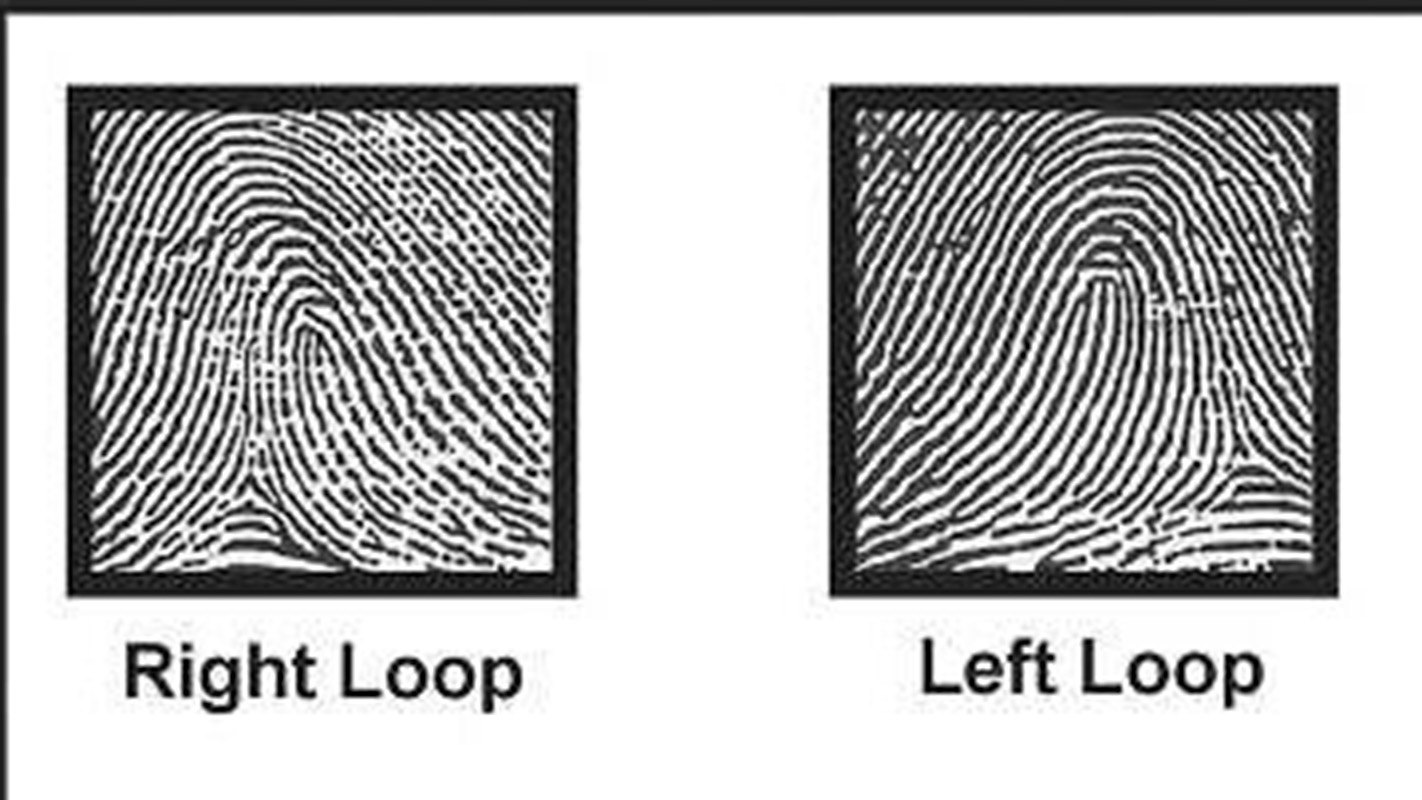
A proof-of-concept study finds that it is possible to identify an individual’s ancestral background based on his or her fingerprint characteristics – a discovery with significant applications for law enforcement and anthropological research.
Apr 15, 2015
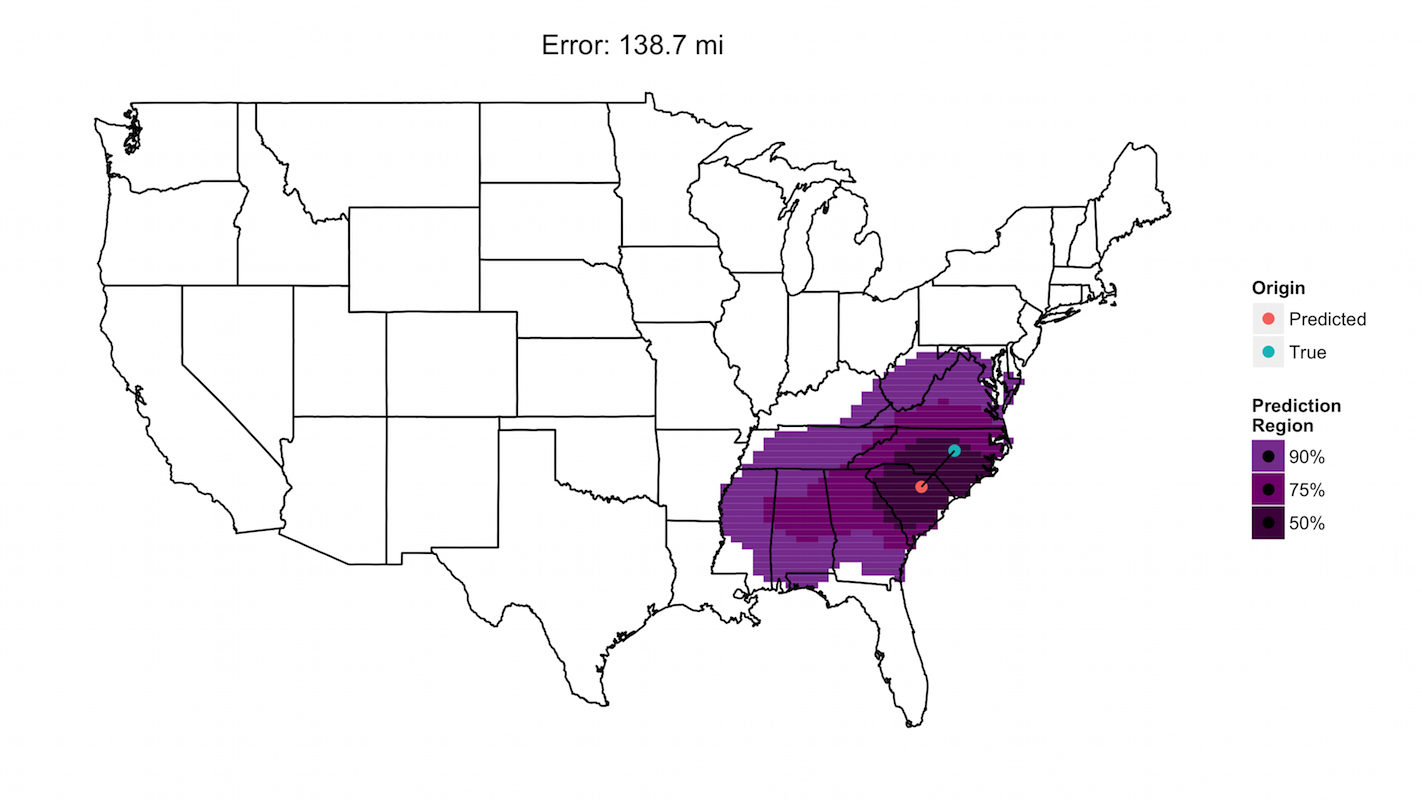
Researchers have developed a statistical model that allows them to tell where a dust sample came from within the continental United States based on the DNA of fungi found in the sample. The work offers law enforcement a new forensic biology tool.
Mar 5, 2015
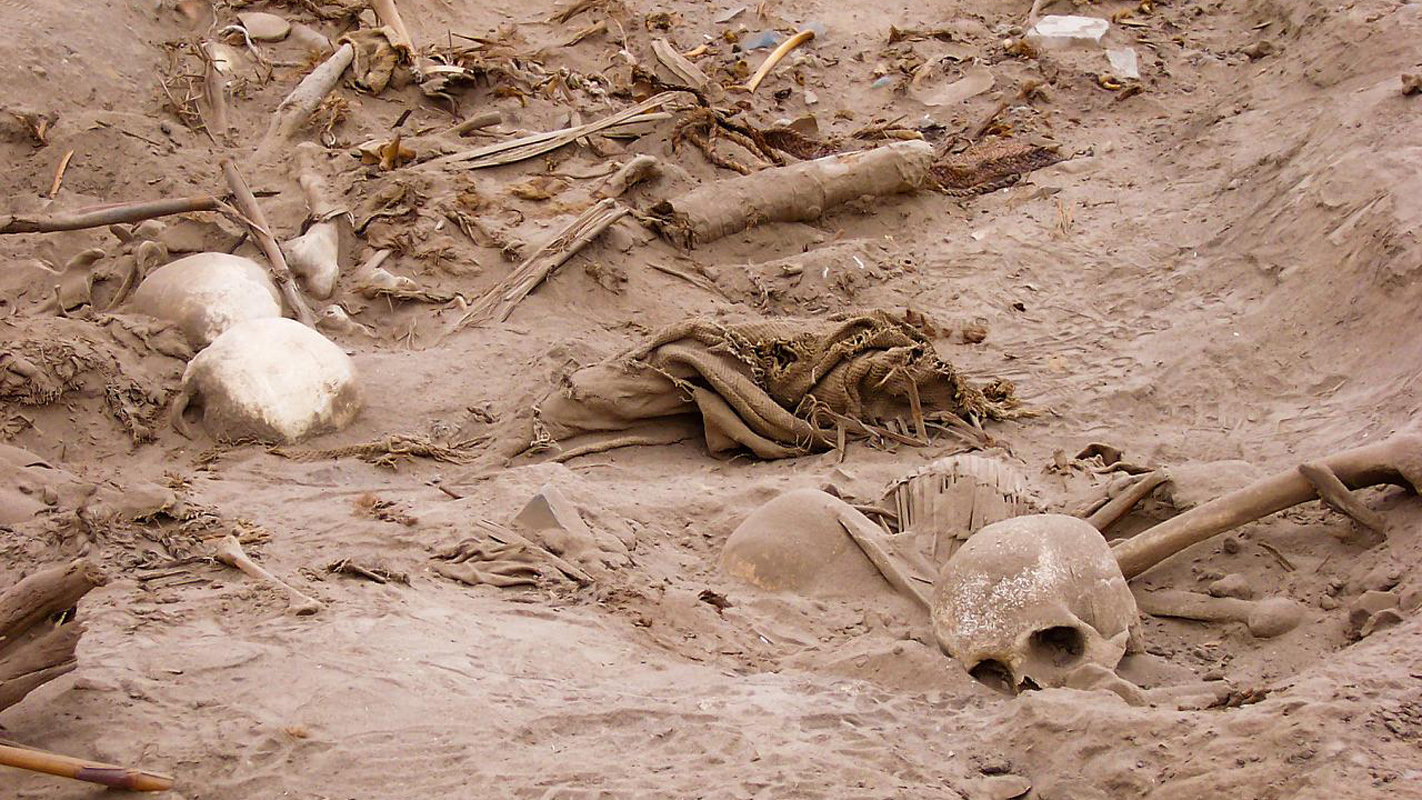
Researchers have found significant differences in facial features between pre-Columbian peoples in Peru – disproving a longstanding perception that these groups were physically homogenous.
Dec 10, 2013
A recent study from NC State forensic anthropologists found that even forensic experts have a hard time making a positive identification of human remains based on the shape of a person’s skull. Specifically, only 56 percent of forensic anthropology Ph.D.s (the bone experts) could correctly match two images of the same skull, based solely on the…
Sep 10, 2013
Analysis of the skulls of prehistoric peoples in Mexico reveals significant regional variation in the facial characteristics of indigenous populations – indicating that there were notable physical differences between geographically separate groups before the arrival of Europeans.
May 1, 2013
This is part one of the second post in a series called “Cretaceous Cold Cases” in which the science of taphonomy, or prehistoric forensics, is explained using fascinating cases from the files of Terry “Bucky” Gates, a research scientist with a joint appointment at NC State and the North Carolina Museum of Natural Sciences. Part 2…
Jan 24, 2012
Last week, NC State hosted the ScienceOnline2012 conference, bringing together a wide variety of people with an interest in communicating about science. During the conference, I had the opportunity to lead a small group of attendees on a tour of the forensic anthropology labs at NC State. The folks on the tour really enjoyed it, so I…
Jan 23, 2012
NC State research doesn't live only in the lab: our forensic scientists have helped law enforcement close cases.
NC State experts unlock the secrets of soil samples, skulls, fibers and more to help law enforcement turn cold cases into convictions.
With 3-D modeling, NC State researchers are recreating crime scenes for law enforcement.
Researchers in the College of Textiles are building a database that can offer more certainty to investigators using fibers as evidence in court.
NC State anthropology professor has helped develop skull-mapping software that can trace the ancestry of skulls found by police.
Aug 25, 2011
Note: This is the third of three posts outlining recent technological advances in forensic science, which were the focus of a workshop held earlier this month at NC State. The workshop, Advances In Forensic Anthropology, was funded by the National Institute of Justice (NIJ) and organized by the National Forensic Science Technology Center. When trying to…
Aug 23, 2011
Note: This is the second of three posts outlining recent technological advances in forensic science, which were the focus of a workshop held earlier this month at NC State. The workshop, Advances In Forensic Anthropology, was funded by the National Institute of Justice (NIJ) and organized by the National Forensic Science Technology Center. When a loved…