Matt Shipman

Jul 8, 2014

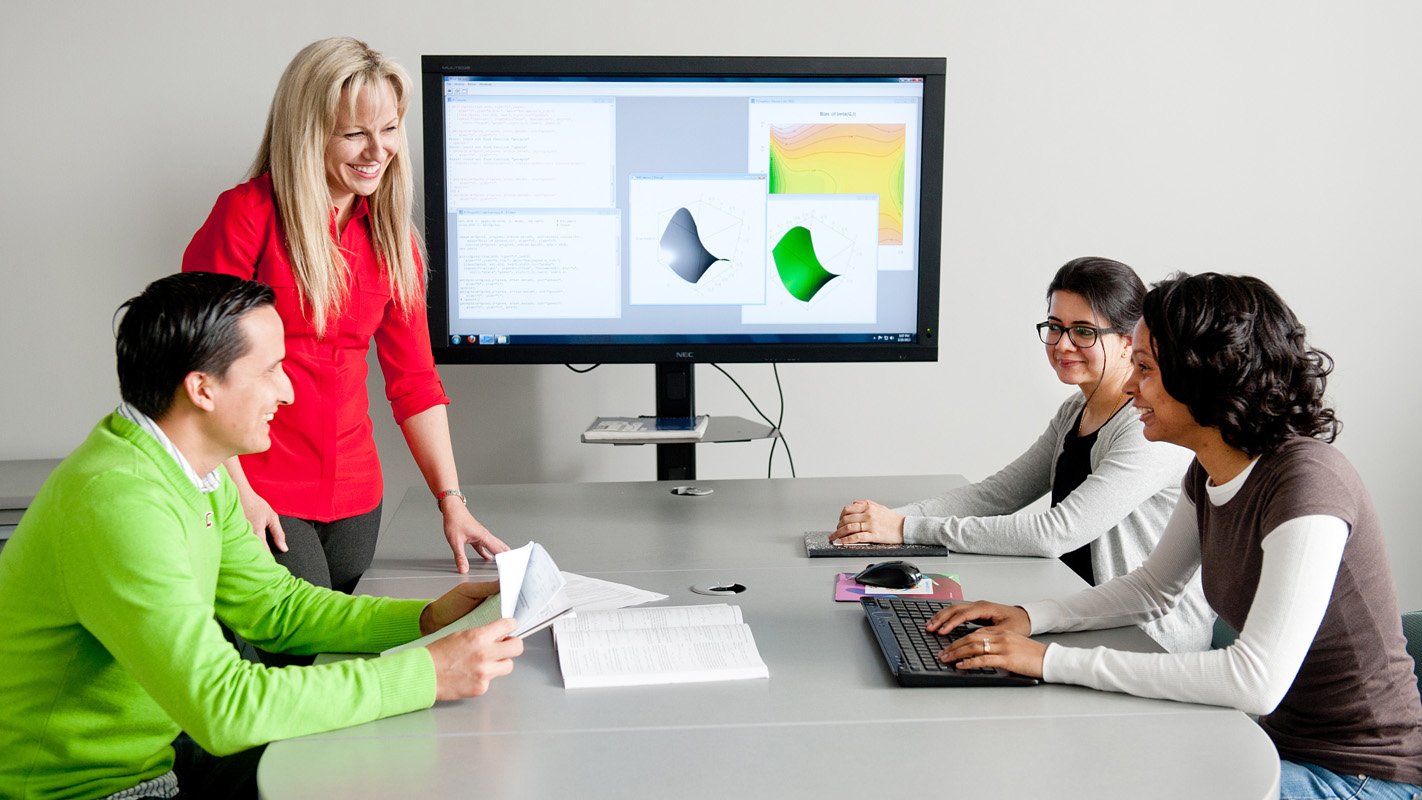
This Is What Science Looks Like at NC State: Xiaohui Gu

Editor’s note: This post was written by Xiaohui (Helen) Gu, an associate professor of computer science at NC State. The post is an entry in an ongoing series that we hope will highlight the diversity of researchers in science, technology, engineering and mathematics. The series is inspired by the This Is What A Scientist Looks Like… 

Jul 8, 2014

When Faced With Some Sugars, Bacteria Can Be Picky Eaters

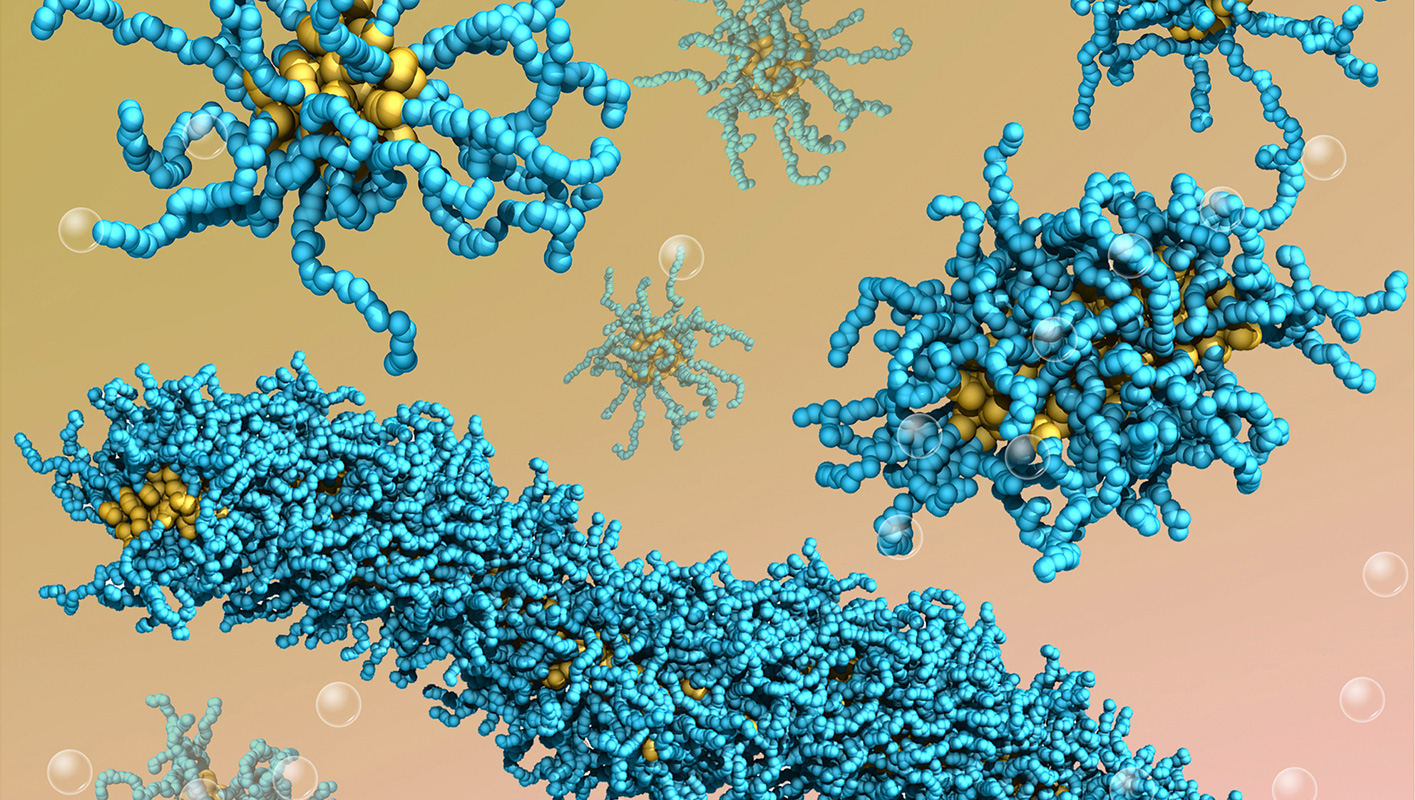
Researchers from North Carolina State University and the University of Minnesota have found for the first time that genetically identical strains of bacteria can respond very differently to the presence of sugars and other organic molecules in the environment, with some individual bacteria devouring the sugars and others ignoring it. 

Jul 7, 2014

Science and Cookies: Researchers Tap Into Citizen Science to Shed Light on Ant Diversity

Scientists from North Carolina State University and the University of Florida have combined cookies, citizen science and robust research methods to track the diversity of ant species across the United States, and are now collaborating with international partners to get a global perspective on how ants are moving and surviving in the modern world. 

Jul 2, 2014

Inspired by Nature, Researchers Create Tougher Metal Materials

Drawing inspiration from the structure of bones and bamboo, researchers have found that by gradually changing the internal structure of metals they can make stronger, tougher materials that can be customized for a wide variety of applications – from body armor to automobile parts. 

Jul 1, 2014

This Is What Science Looks Like at NC State: Ahmad Alsabbagh

Editor’s note: This post was written by Ahmad Alsabbagh, who recently completed his Ph.D. in nuclear engineering at NC State. The post is an entry in an ongoing series that we hope will highlight the diversity of researchers in science, technology, engineering and mathematics. The series is inspired by the This Is What A Scientist Looks… 

Jun 24, 2014

This Is What Science Looks Like at NC State: Mahsa Mohiti-Asli

Editor’s note: This post was written by Mahsa Mohiti-Asli, a postdoctoral researcher in the joint Department of Biomedical Engineering at NC State and UNC-Chapel Hill. The post is an entry in an ongoing series that we hope will highlight the diversity of researchers in science, technology, engineering and mathematics. The series is inspired by the This… 

Jun 23, 2014

‘Sensing Skin’ Quickly Detects Cracks, Damage in Concrete Structures

Researchers from North Carolina State University and the University of Eastern Finland have developed new “sensing skin” technology designed to serve as an early warning system for concrete structures, allowing authorities to respond quickly to damage in everything from nuclear facilities to bridges. 

Jun 18, 2014

Trap-Jaw Ants Spreading in Southeastern United States

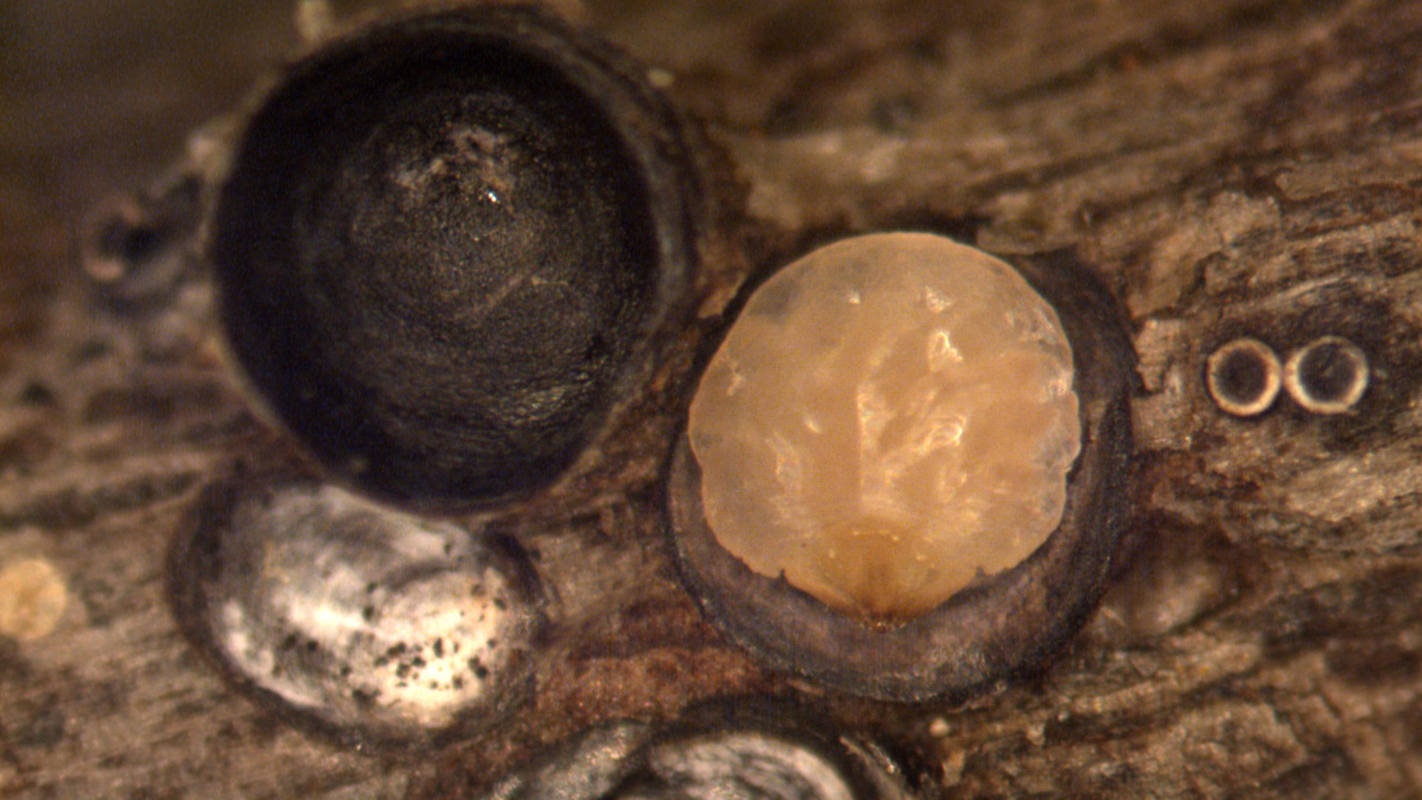
Trap-jaw ant species are active hunters with venomous stings and jaws powerful enough to fling themselves through the air. According to new research, they are also spreading into new territory in the southeastern United States. The research was done by scientists at North Carolina State University, the Mississippi Entomological Museum, the University of California, Davis… 

Jun 16, 2014

This Is What Science Looks Like at NC State: Mia de los Reyes

Editor’s note: This post comes from Mia de los Reyes, an NC State undergraduate who is double majoring in pure math and physics. A Park Scholar, de los Reyes was also recently awarded both a prestigious Goldwater scholarship and an Astronaut scholarship. The post is part of an ongoing series that we hope will highlight the… 

Jun 13, 2014

Crossing the Goal Line: New Tech Tracks Football in 3-D Space

Referees may soon have a new way of determining whether a football team has scored a touchdown or gotten a first down. Researchers from North Carolina State University and Carnegie Mellon University, in collaboration with Disney Research, have developed a system that can track a football in three-dimensional space using low-frequency magnetic fields. 

Jun 9, 2014

This Is What Science Looks Like at NC State: Cranos Williams

Editor’s note: This post comes from Cranos Williams, an associate professor of electrical and computer engineering at NC State. The post is part of an ongoing series that we hope will highlight the diversity of researchers in science, technology, engineering and mathematics. The series is inspired by the This Is What A Scientist Looks Like site.… 

Jun 9, 2014

Public Engagement and Science Communication at NC State

Editor’s note: This is a guest post by Nicolas Canete, an international student from Paraguay who recently earned his master’s degree in communication at NC State. Most NC State researchers are involved in some form of public engagement when it comes to science communication, but that public engagement takes a variety of forms. I know this because… 

Jun 6, 2014

What’s the Best Way to Wash Microbes off Your Produce?

Note: This post is part of an ongoing series in which we try to answer questions about the science behind food – from farm to fork. If you have a food-related question, please let me know at matt_shipman@ncsu.edu. Short version: You can use water to wash off your fruits and veggies – but it may… 

Jun 5, 2014

Remote Lab Allows ‘Hands-On’ Testing of Antennas From Thousands of Miles Away

Imagine a lab that gives scientists the opportunity to do “hands-on” testing from thousands of miles away. Researchers at NC State have created a remotely-controlled testing facility that allows students, professors and private companies from around the world to test prototype antennas for wireless devices. The lab was created to provide a teaching and R&D tool… 

Jun 3, 2014

This Is What Science Looks Like at NC State: Jennifer Dixon

Editor’s note: This post comes from Jennifer Dixon, who recently completed her Ph.D. in marine science at NC State. The post is part of an ongoing series that we hope will highlight the diversity of researchers in science, technology, engineering and mathematics. The series is inspired by the This Is What A Scientist Looks Like site.…