engineering

Sep 16, 2015

NSF-Funded Network to Boost Nanotech Innovation

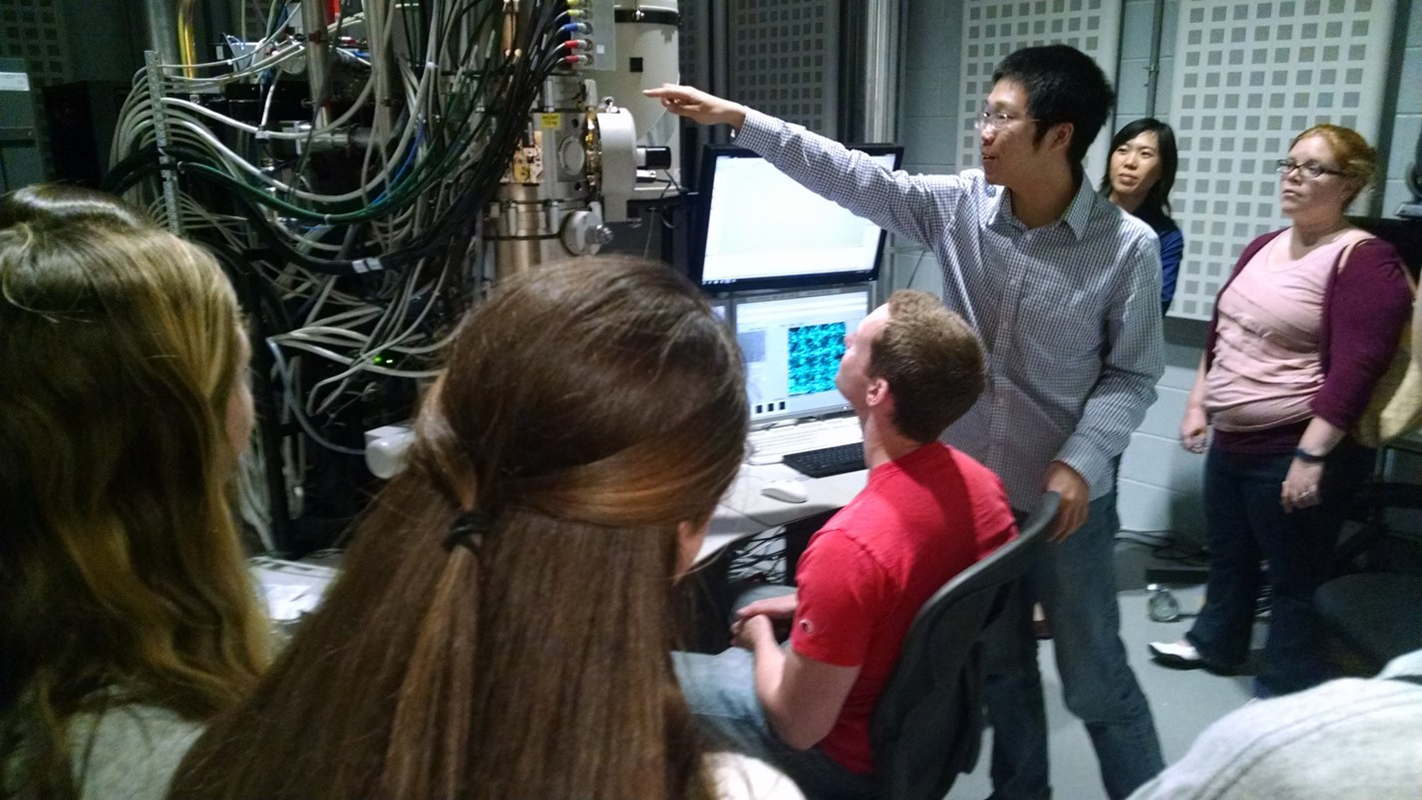
A five-year, $5.5 million grant from the National Science Foundation supports a collaborative effort by three Triangle universities to help businesses and educators speed the development of new nanotechnology-based products and opportunities. 

Sep 1, 2015

New Technique Lowers Cost of Energy-Efficient Embedded Computer Systems

Electrical and computer engineers have developed a new technique for creating less-expensive, low-power embedded systems – the computing devices found in everything from thermostats to automobiles. 

Aug 28, 2015

Researchers Use DNA ‘Clews’ to Shuttle CRISPR-Cas9 Gene-Editing Tool into Cells
Researchers have for the first time created and used a nanoscale vehicle made of DNA to deliver a CRISPR-Cas9 gene-editing tool into cells. 

Aug 25, 2015

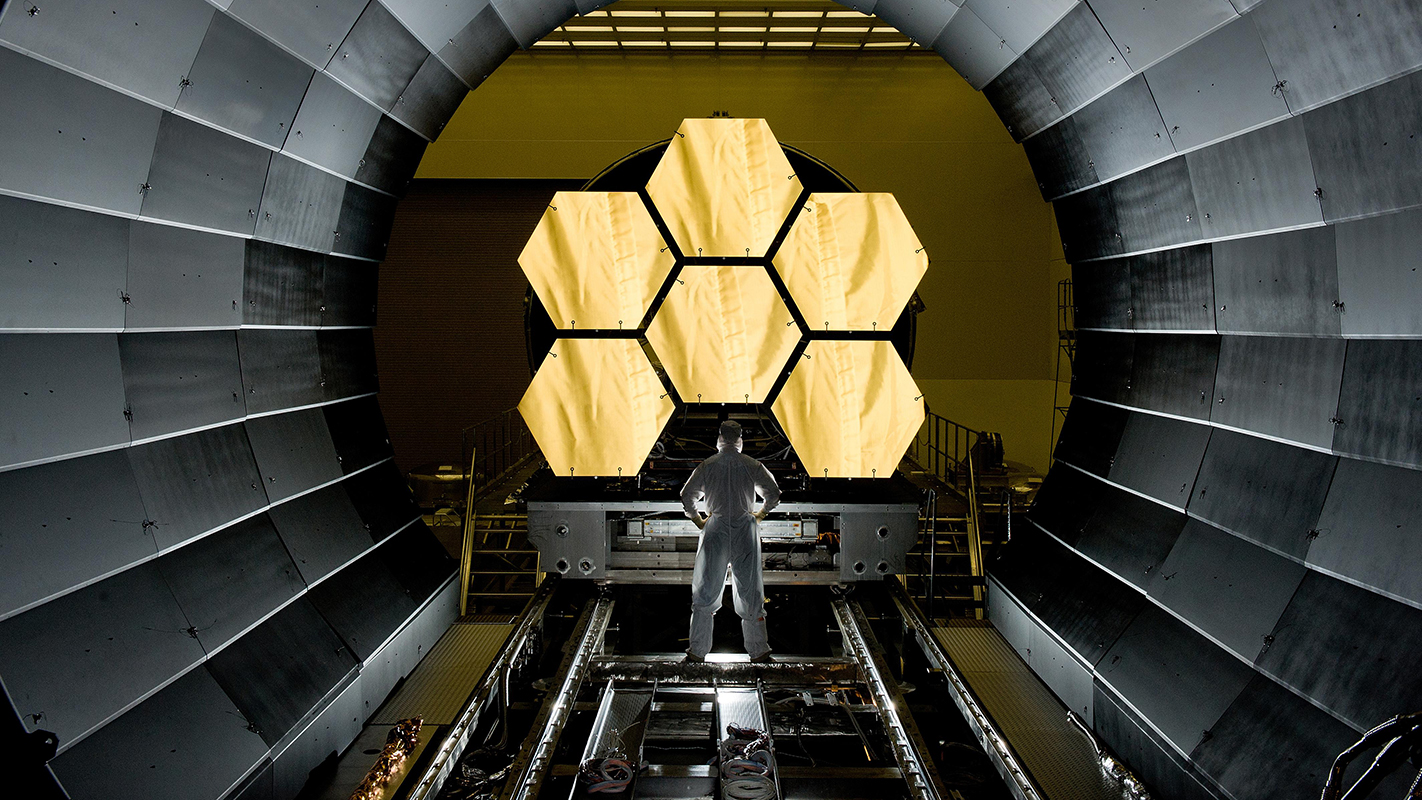
Nobel Laureate Astrophysicist John Mather to Speak at NC State

Dr. John Mather, Nobel Prize winner and senior astrophysicist at NASA’s Goddard Space Flight Center, will present “From the Big Bang to Now, Observing the Universe with the James Webb Space Telescope.” 

Aug 24, 2015

Researchers Tackle Issues Surrounding Security Tools for Software Developers
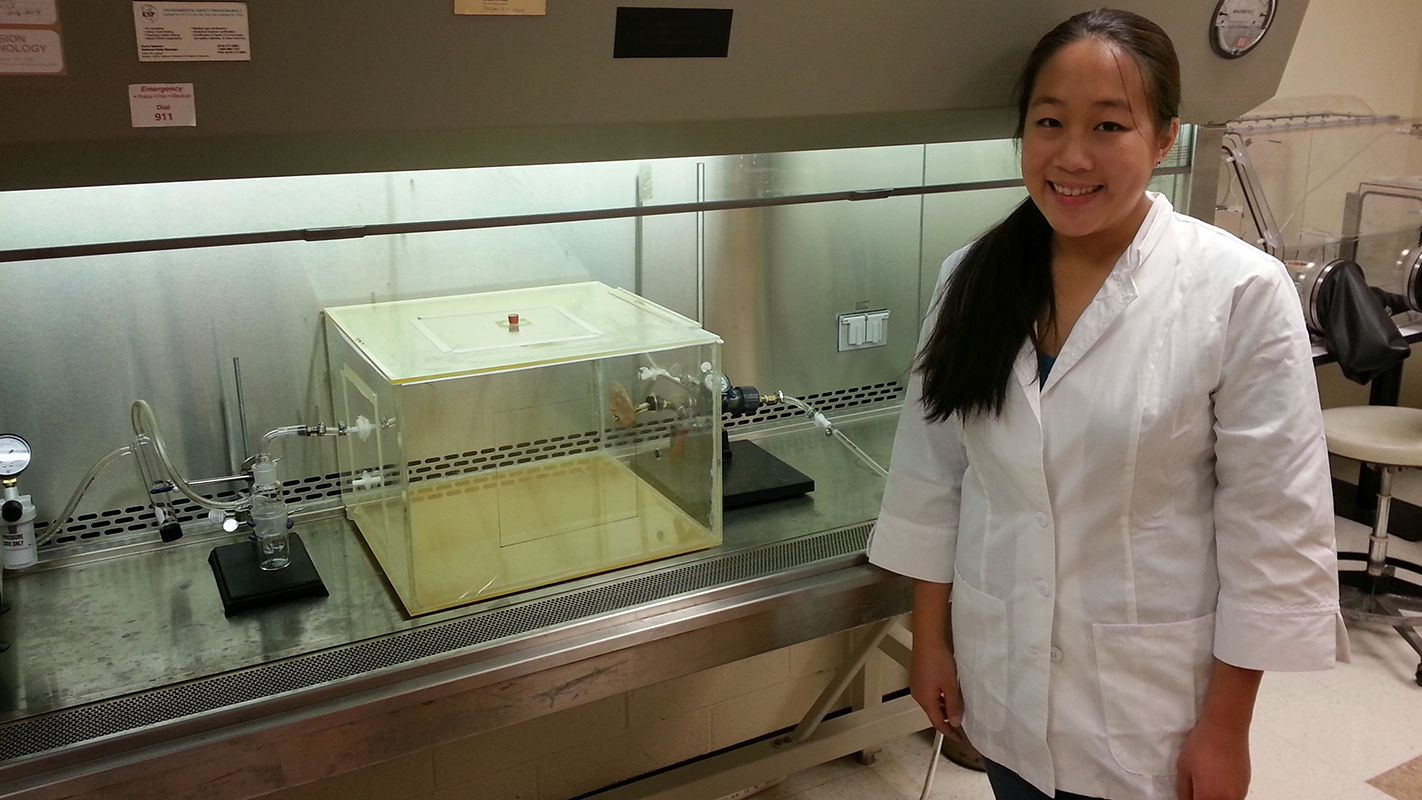
Researchers are working to give computer programmers better tools to help them protect software from security vulnerabilities. 

Aug 19, 2015

Vomiting Device Offers First Direct Evidence That Vomit Aerosolizes Norovirus-Like Particles
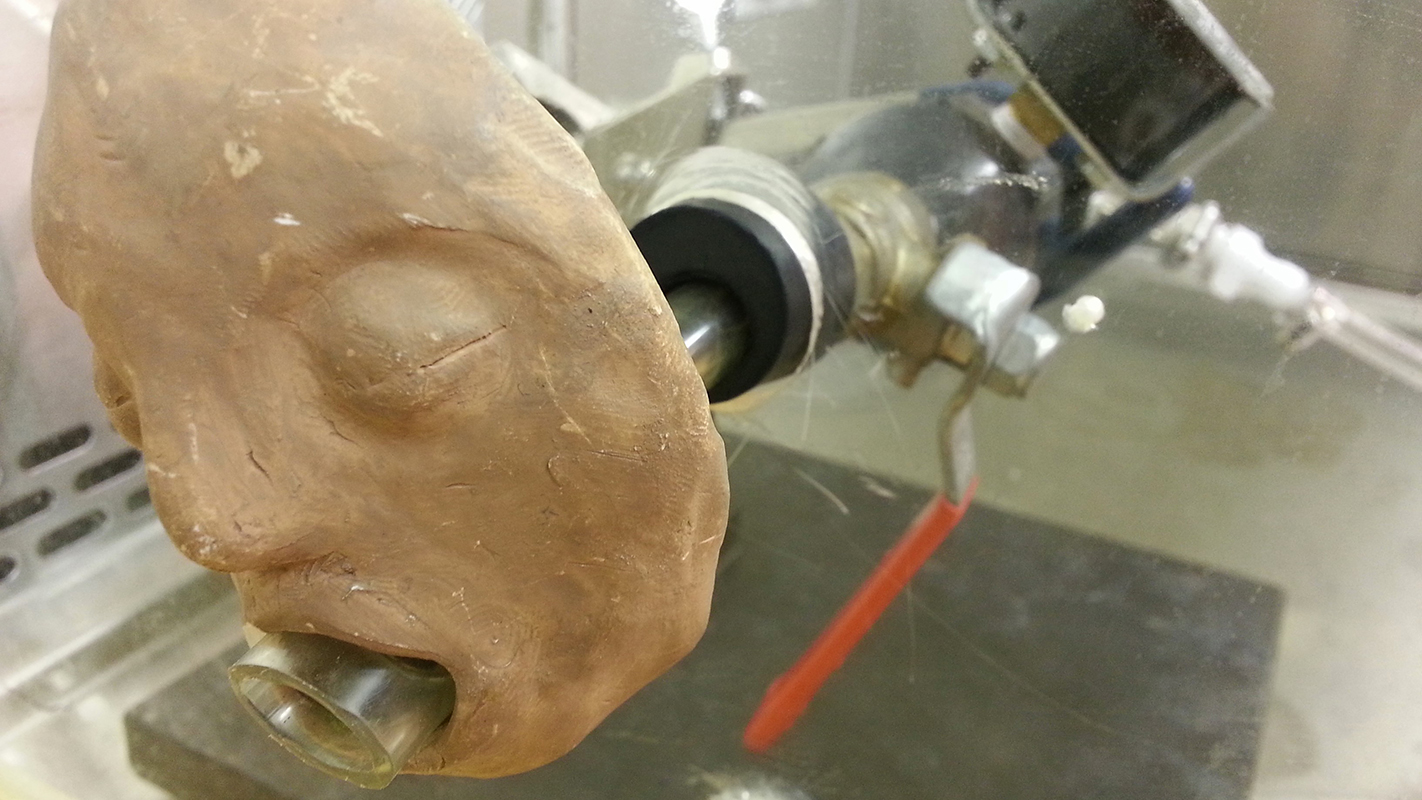
Using a vomiting device of their creation, researchers are reporting the first direct evidence that vomiting can aerosolize virus particles similar to human norovirus. 

Aug 19, 2015

The Vomiting Machine: How Researchers Are Using Fake Barf to Help Protect Public Health
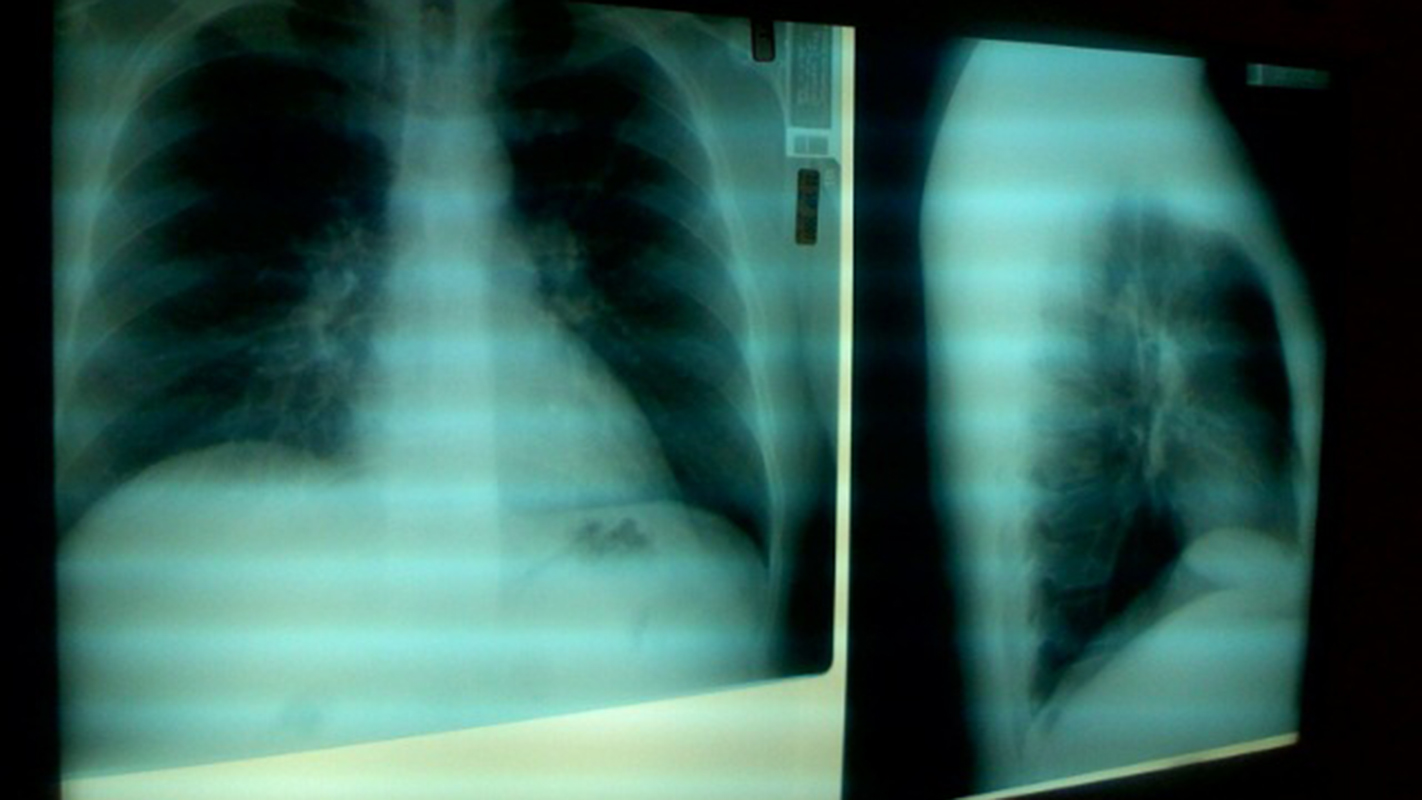
Tucked away in a quiet lab on NC State’s Raleigh campus is something that looks like a glorified air compressor with a grotesque clay face. It’s called “the vomiting machine” and it does exactly what you think it does. 

Aug 19, 2015

Algorithm Interprets Breathing Difficulties to Aid in Medical Care

NC State researchers have developed an efficient algorithm that can interpret the wheezing of patients with breathing difficulties to give medical providers information about what’s happening in the lungs. The research is part of a larger, ongoing project to develop wearable smart medical sensors for monitoring, collecting and interpreting personal health data. 

Aug 18, 2015

Biomedical Engineer Zhen Gu Named to Tech Review’s Top Innovators Under 35

Zhen Gu, an assistant professor in NC State and UNC-Chapel Hill’s joint biomedical engineering program, has been named one of MIT Technology Review’s “Innovators Under 35” for his work on developing novel drug-delivery systems for treating cancer and diabetes. 

Aug 18, 2015

Proof-Of-Concept Study Shows Potential for Using Ultrasound to Detect Early Signs of Preterm Labor

An international team of researchers has conducted a proof-of-concept study that raises the possibility of using ultrasound techniques to detect cervical stiffness changes that indicate an increased risk of preterm labor in pregnant women. 

Aug 11, 2015

Elastic Drug Delivery Technology Releases Drugs When Stretched
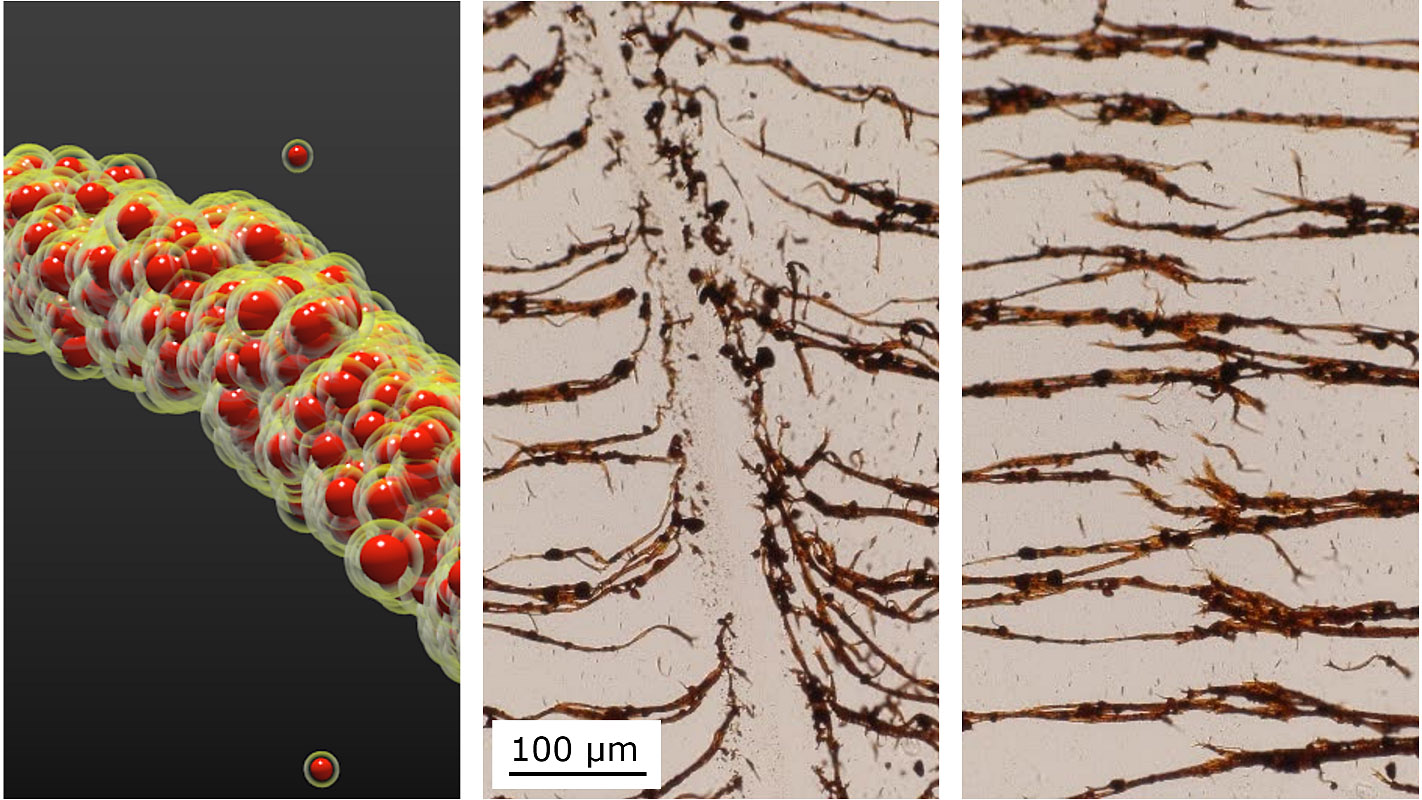
Delivering drugs in an efficient way won't be a stretch for new NC State technology. 

Aug 5, 2015

Sandcastles Inspire New Nanoparticle Binding Technique

Assembling nanoparticle networks in liquid is like a day at the beach. 

Aug 3, 2015

Innovative Tech Aims to Help Smokers Kick the Habit

Entrepreneurs at NC State have developed technology to help people understand what triggers their craving for a cigarette, and use that information to cut back on smoking. 

Jul 22, 2015

Researchers Boost Wireless Power Transfer With Magnetic Field Enhancement
Research shows that passing wireless power transfer through a magnetic resonance field enhancer – which can be as simple as a copper loop – can boost the transfer efficiency by at least 100 percent as compared to transferring through air alone. 

Jul 17, 2015

Study Finds Metal Foams Capable of Shielding X-rays, Gamma Rays, Neutron Radiation

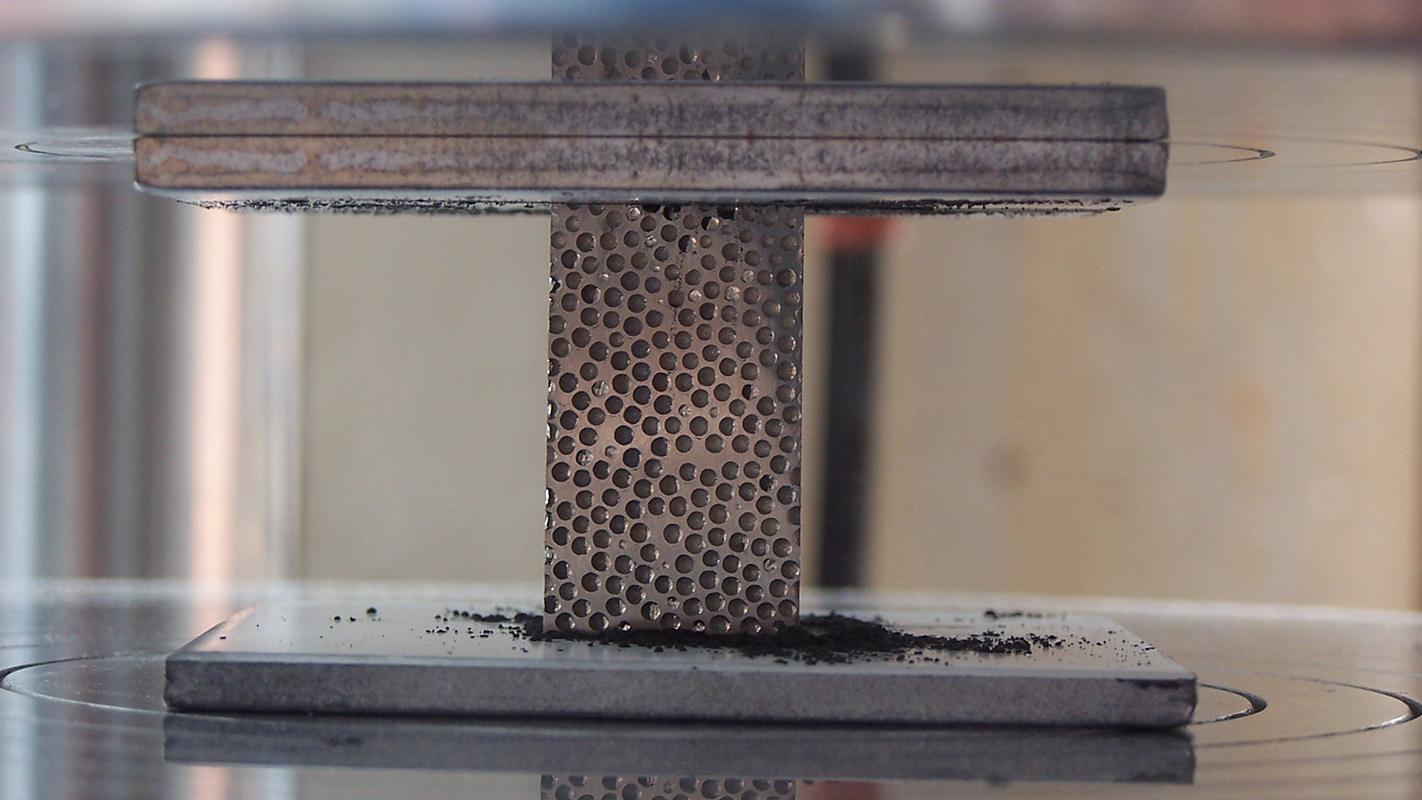
Research shows lightweight composite metal foams are effective at blocking X-rays, gamma rays and neutron radiation, and are capable of absorbing the energy of high impact collisions. The finding means metal foams hold promise for use in nuclear safety, space exploration and medical technology applications.