engineering

Oct 8, 2014

Report Outlines Efforts to Boost Diversity in Materials Science and Engineering Community

NC State played a leadership role in crafting a new national report addressing the lack of diversity in materials science and engineering. 

Oct 2, 2014

Award Will Help NC State Researcher Put Computer Science Theory Into Practice
Blair Sullivan of NC State will receive one of only 14 $1.5 million Moore Investigator Awards for her work on transforming theoretical algorithms into practical tools that could be used in fields ranging from biomedical science to business analytics. 

Sep 24, 2014

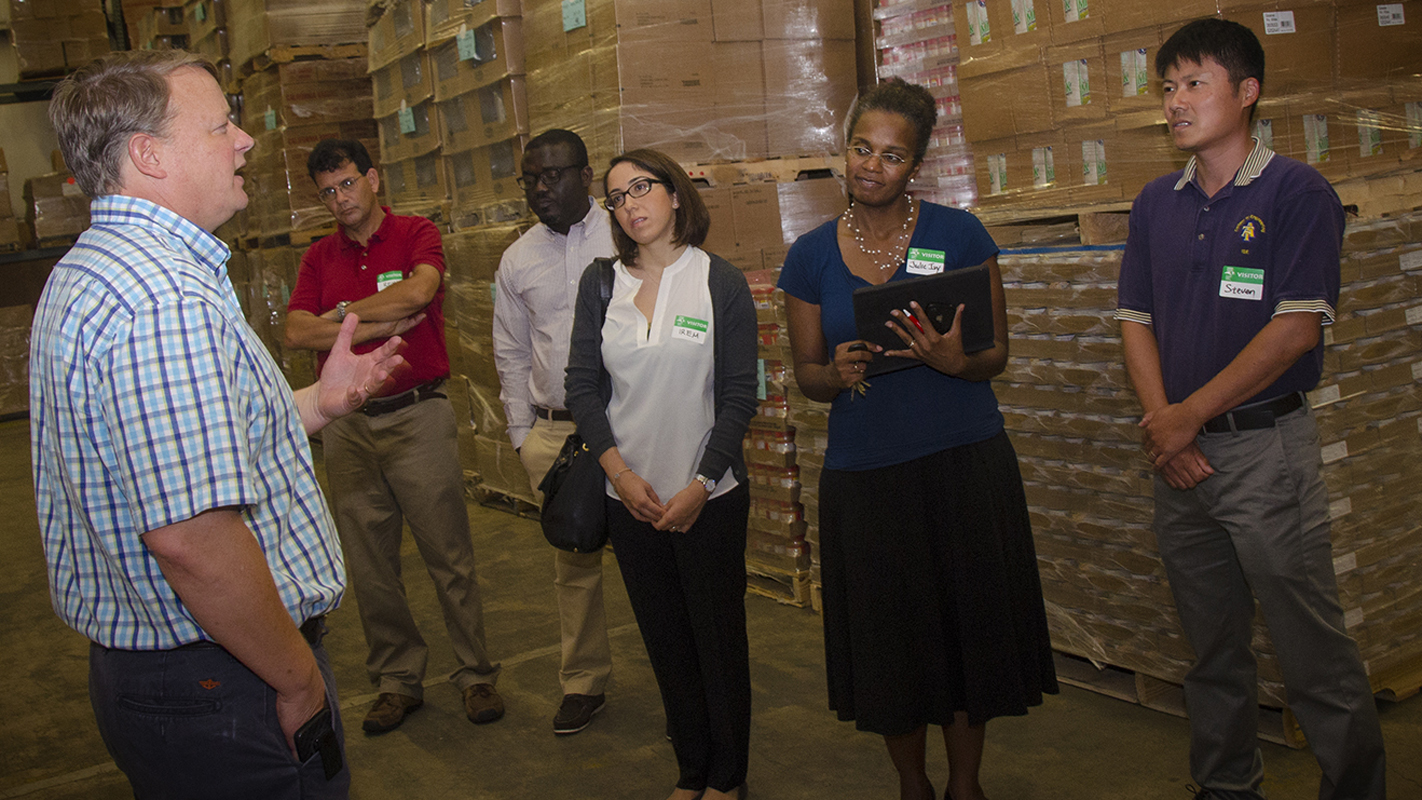
Engineering a Better Food Bank

How an NC State engineering professor is helping food banks help those in need. 

Sep 15, 2014

Researchers Control Surface Tension to Manipulate Liquid Metals
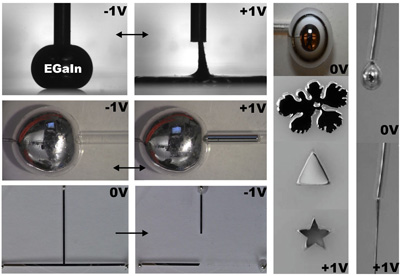
Researchers have developed a technique for controlling the surface tension of liquid metals, opening the door to a new generation of reconfigurable electronic circuits, antennas and other technologies. 

Sep 11, 2014

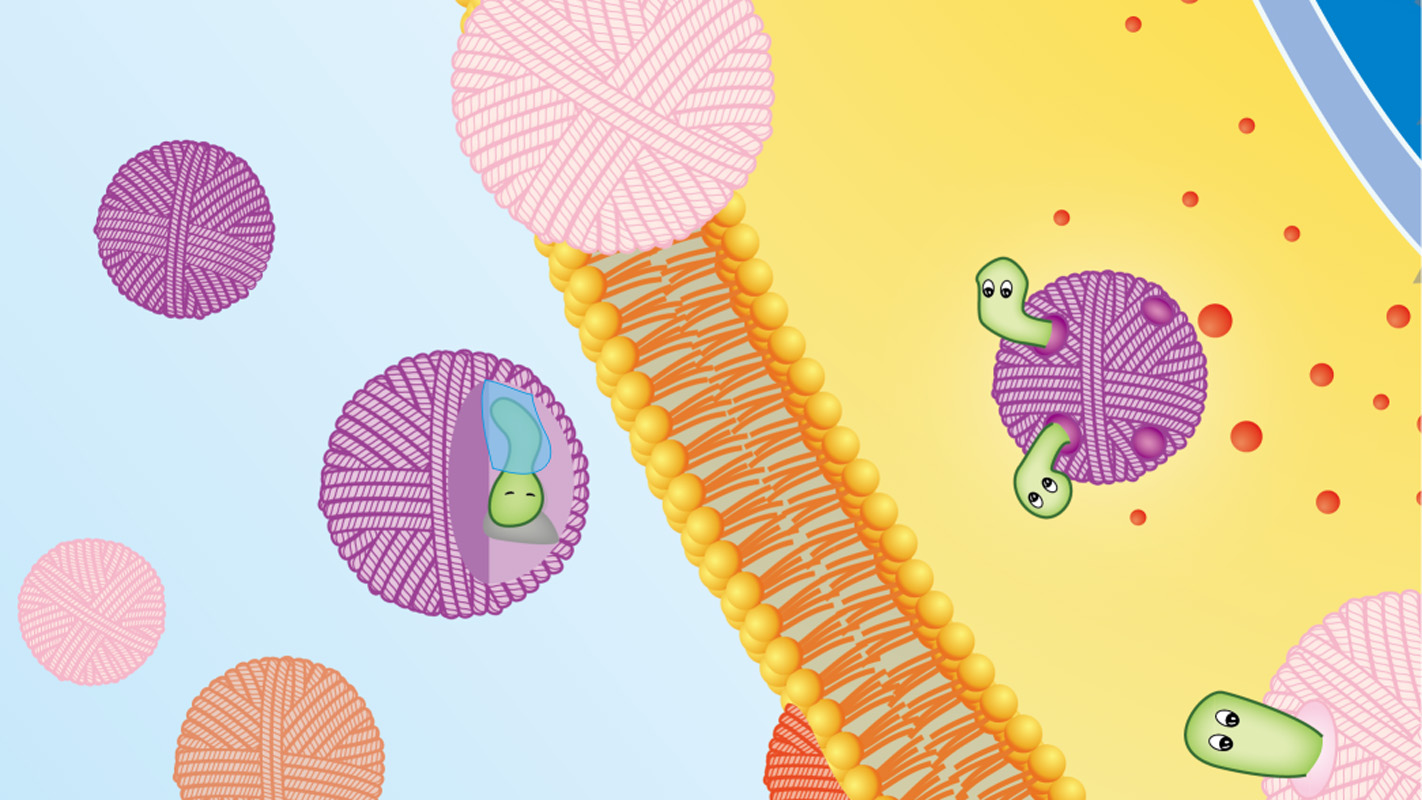
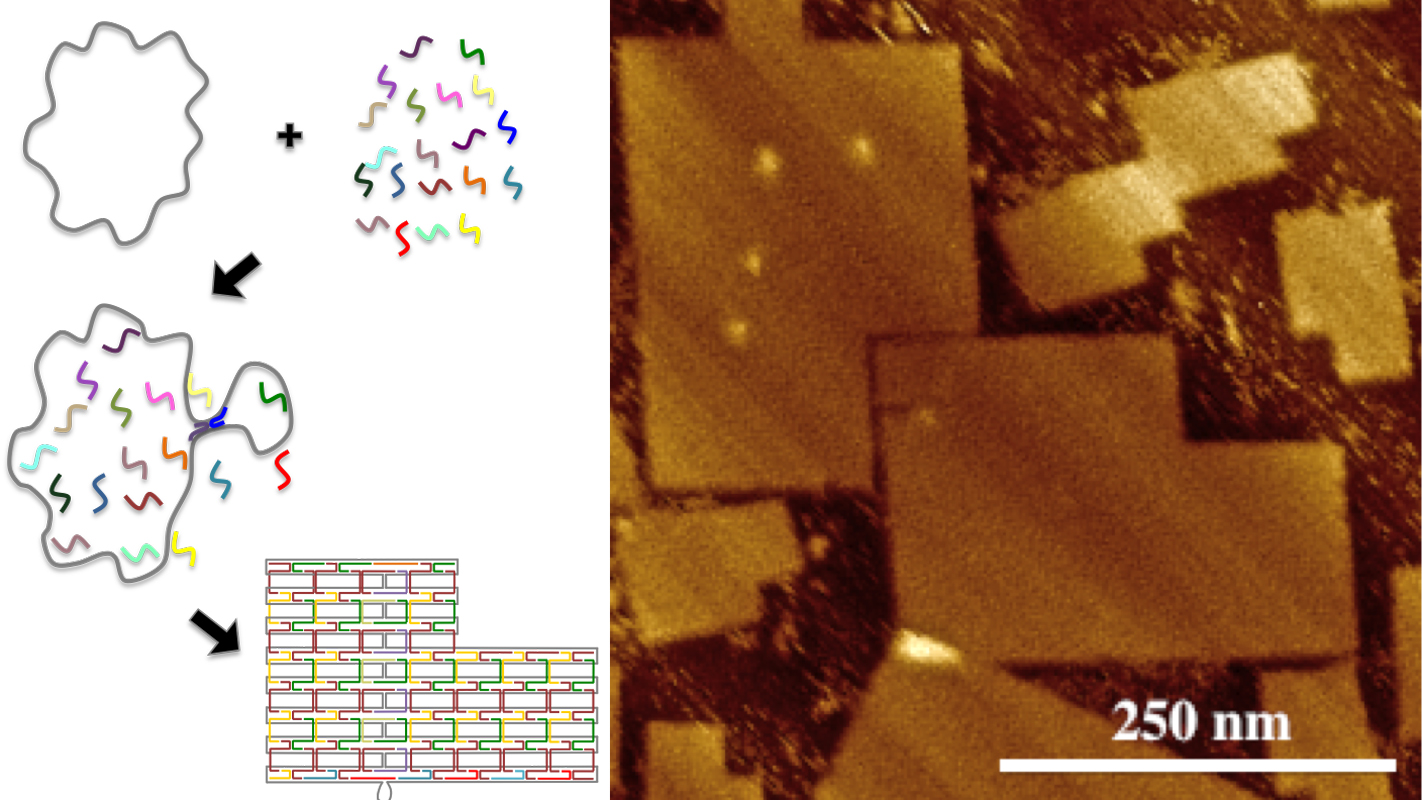
Researchers Create World’s Largest DNA Origami
Researchers have created the world’s largest DNA origami, which are nanoscale constructions with applications ranging from biomedical research to nanoelectronics. 

Sep 10, 2014

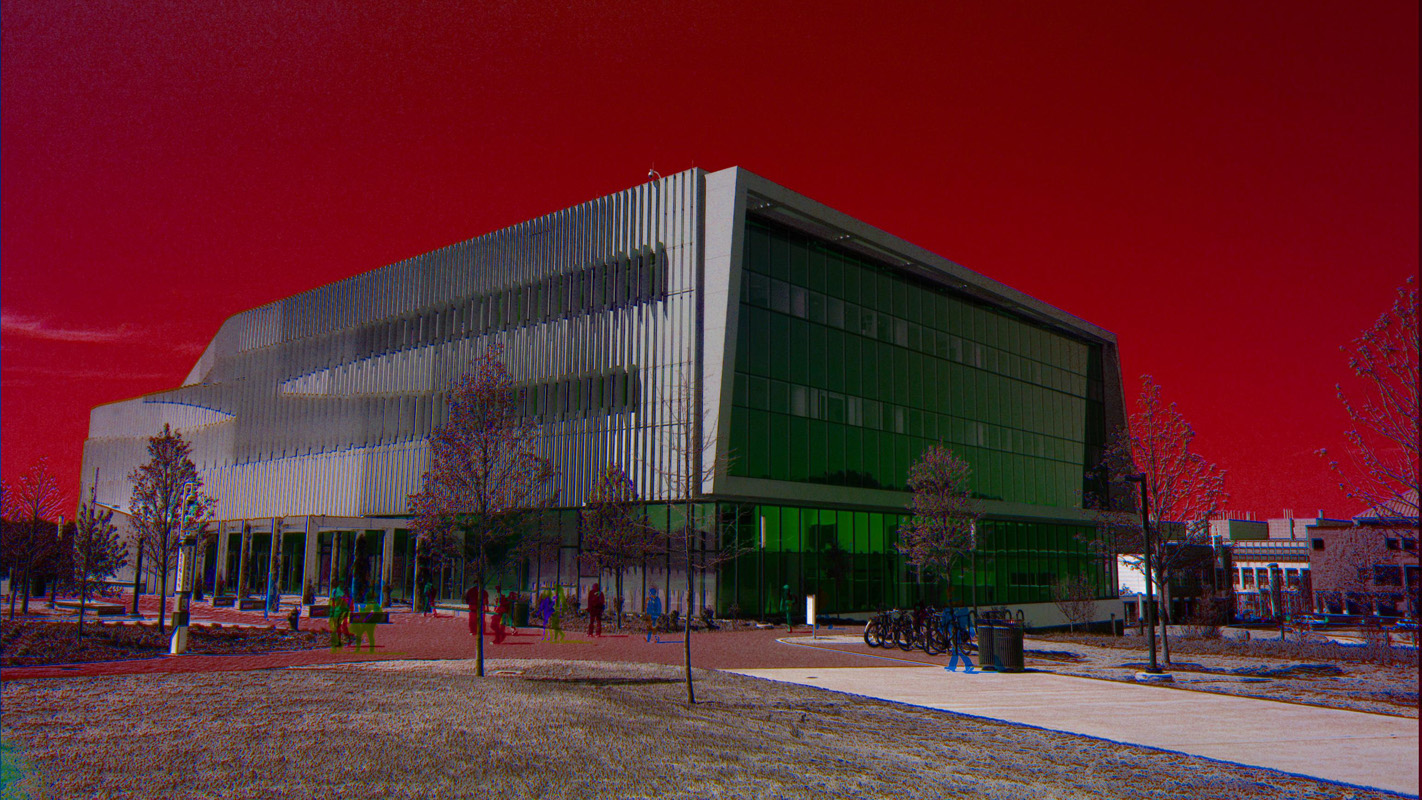
Polarization Imaging Reveals New Views of Hunt Library, Insight Into Exciting Field of Research

These two photos of the James B. Hunt, Jr. Library use a false-color technique to reveal a characteristic of light called polarization. 

Sep 9, 2014

Researchers Advance Artificial Intelligence for Player Goal Prediction in Gaming

NC State researchers have developed artificial intelligence software that is significantly better than any previous technology at predicting what goal a player is trying to achieve in a video game. The work holds promise for helping game developers design new ways of improving the gameplay experience. 

Sep 4, 2014

Titania-Based Material Holds Promise as New Insulator for Superconductors
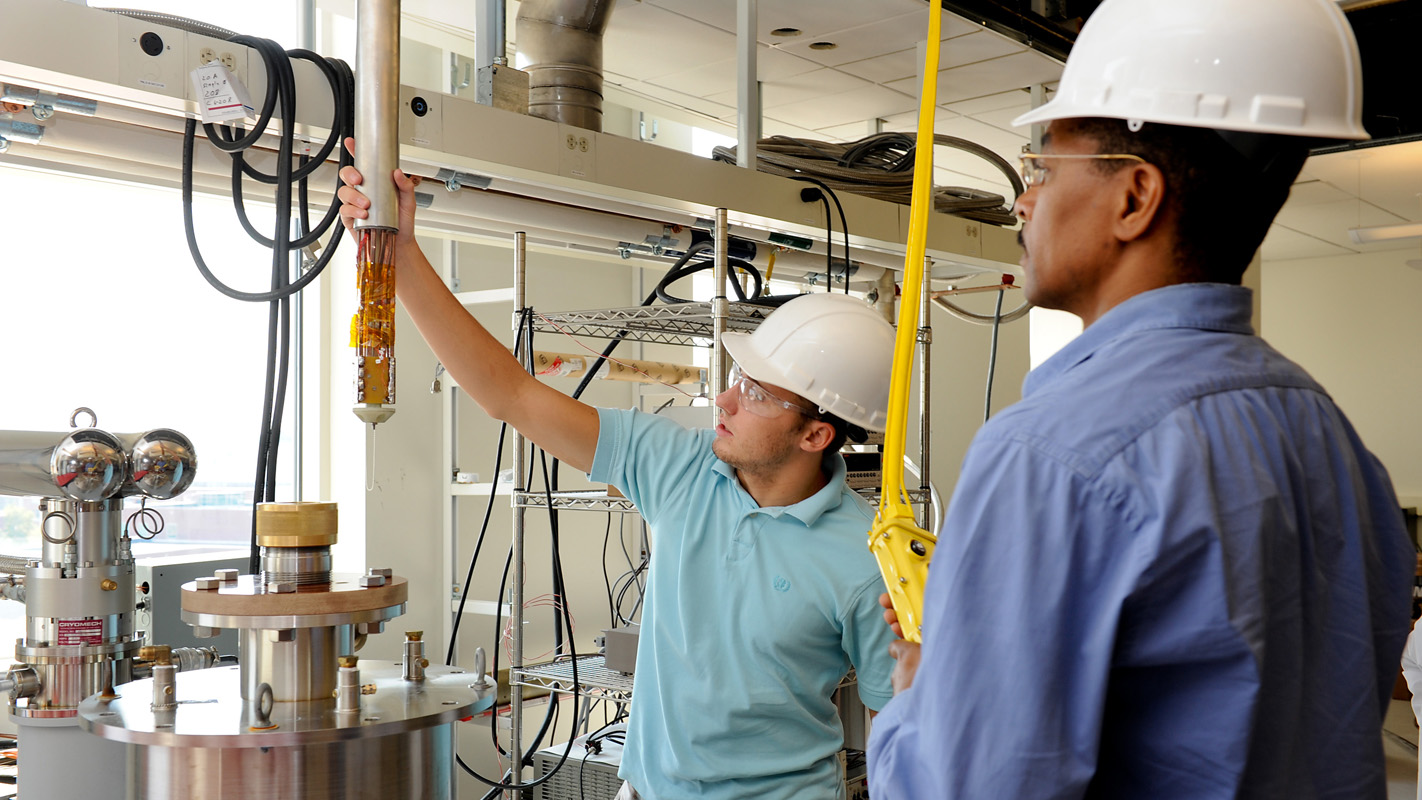
Research shows that a type of modified titania, or titanium dioxide, holds promise as an electrical insulator for superconducting magnets, allowing heat to dissipate while preserving the electrical paths along which current flows. 

Sep 2, 2014

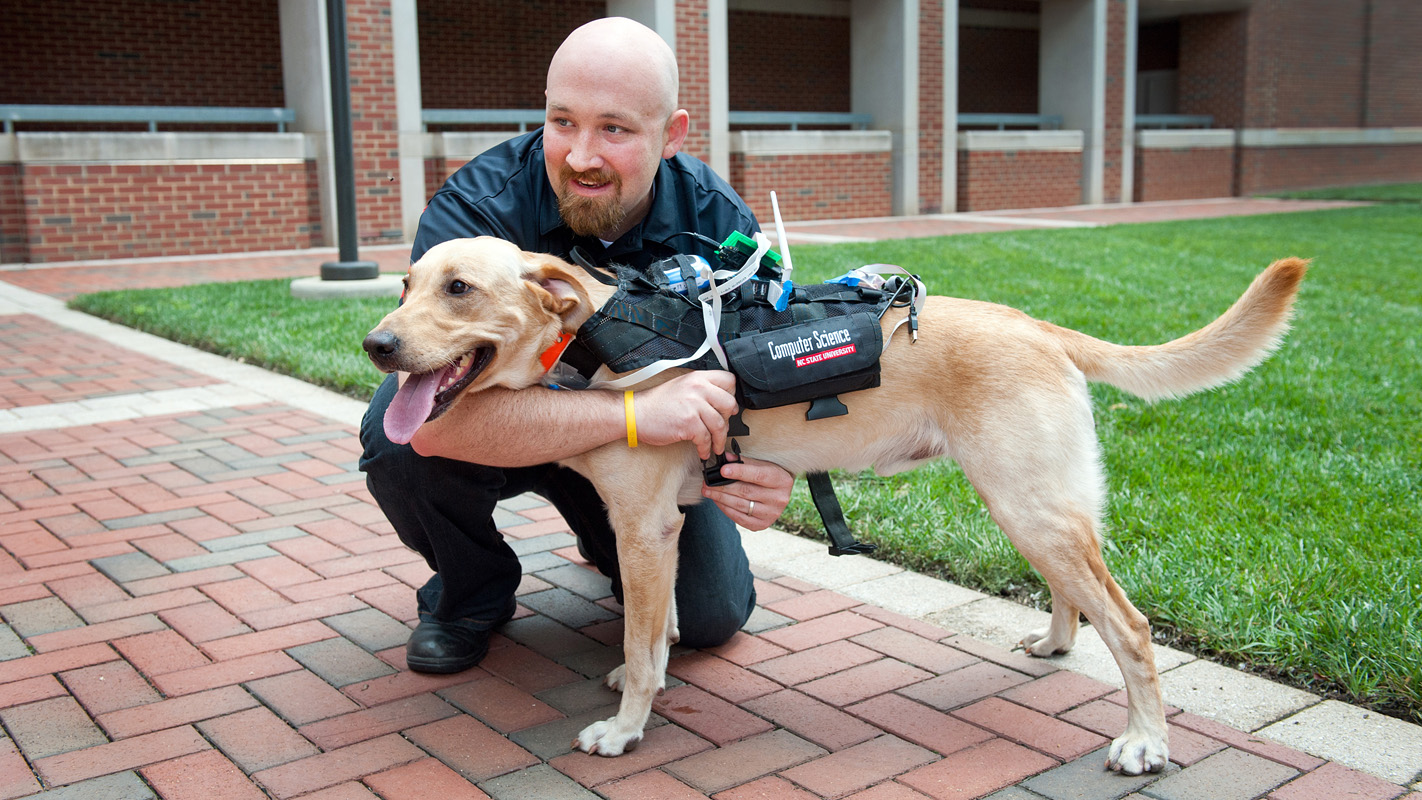
Dogs, Math and Computers: How One Researcher Gets His Ideas
Where does inspiration come from? One researcher talks about artificial intelligence, computer science, and working with dogs. 

Aug 12, 2014

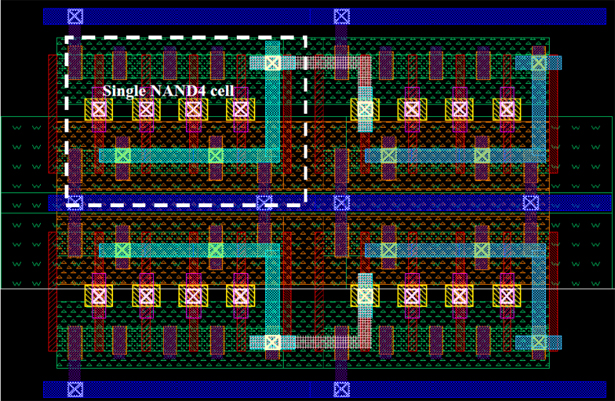
Researchers Roll Out Free Software to Advance Computer Chip Design

Engineering researchers have developed new software, called FreePDK15, to facilitate chip design – and are making it freely available in order to foster new research focused on pushing the frontiers of computer technology. “State-of-the-art transistors are now 15 nanometers (nm) long, and you can fit a billion of those transistors on a single chip,” says… 

Jul 8, 2014

When Faced With Some Sugars, Bacteria Can Be Picky Eaters

Researchers from North Carolina State University and the University of Minnesota have found for the first time that genetically identical strains of bacteria can respond very differently to the presence of sugars and other organic molecules in the environment, with some individual bacteria devouring the sugars and others ignoring it. 

Jul 2, 2014

Inspired by Nature, Researchers Create Tougher Metal Materials

Drawing inspiration from the structure of bones and bamboo, researchers have found that by gradually changing the internal structure of metals they can make stronger, tougher materials that can be customized for a wide variety of applications – from body armor to automobile parts. 

Jun 23, 2014

‘Sensing Skin’ Quickly Detects Cracks, Damage in Concrete Structures

Researchers from North Carolina State University and the University of Eastern Finland have developed new “sensing skin” technology designed to serve as an early warning system for concrete structures, allowing authorities to respond quickly to damage in everything from nuclear facilities to bridges. 

Jun 13, 2014

Crossing the Goal Line: New Tech Tracks Football in 3-D Space

Referees may soon have a new way of determining whether a football team has scored a touchdown or gotten a first down. Researchers from North Carolina State University and Carnegie Mellon University, in collaboration with Disney Research, have developed a system that can track a football in three-dimensional space using low-frequency magnetic fields. 

Jun 5, 2014

Remote Lab Allows ‘Hands-On’ Testing of Antennas From Thousands of Miles Away

Imagine a lab that gives scientists the opportunity to do “hands-on” testing from thousands of miles away. Researchers at NC State have created a remotely-controlled testing facility that allows students, professors and private companies from around the world to test prototype antennas for wireless devices. The lab was created to provide a teaching and R&D tool…