engineering

Nov 9, 2015

Researchers Find Way to Make Metals Stronger Without Sacrificing Ductility
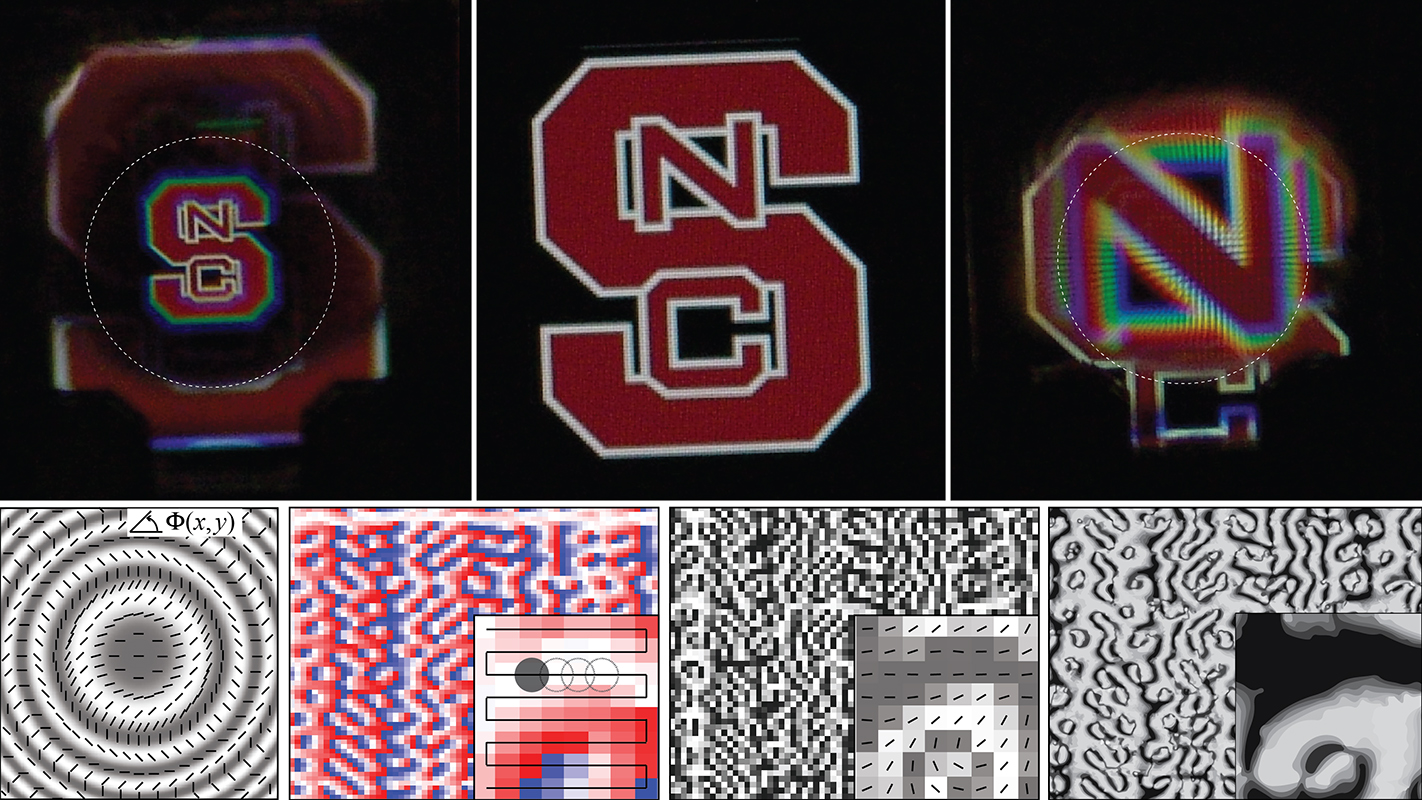
Researchers have developed a technique to make titanium stronger without sacrificing any of the metal’s ductility – a combination that no one has achieved before. The researchers believe the technique could also be used for other metals, and the advance has potential applications for creating more energy-efficient vehicles. 

Oct 21, 2015

From Exoplanets to Rainbow Station: Using Lasers to Print in Four Dimensions
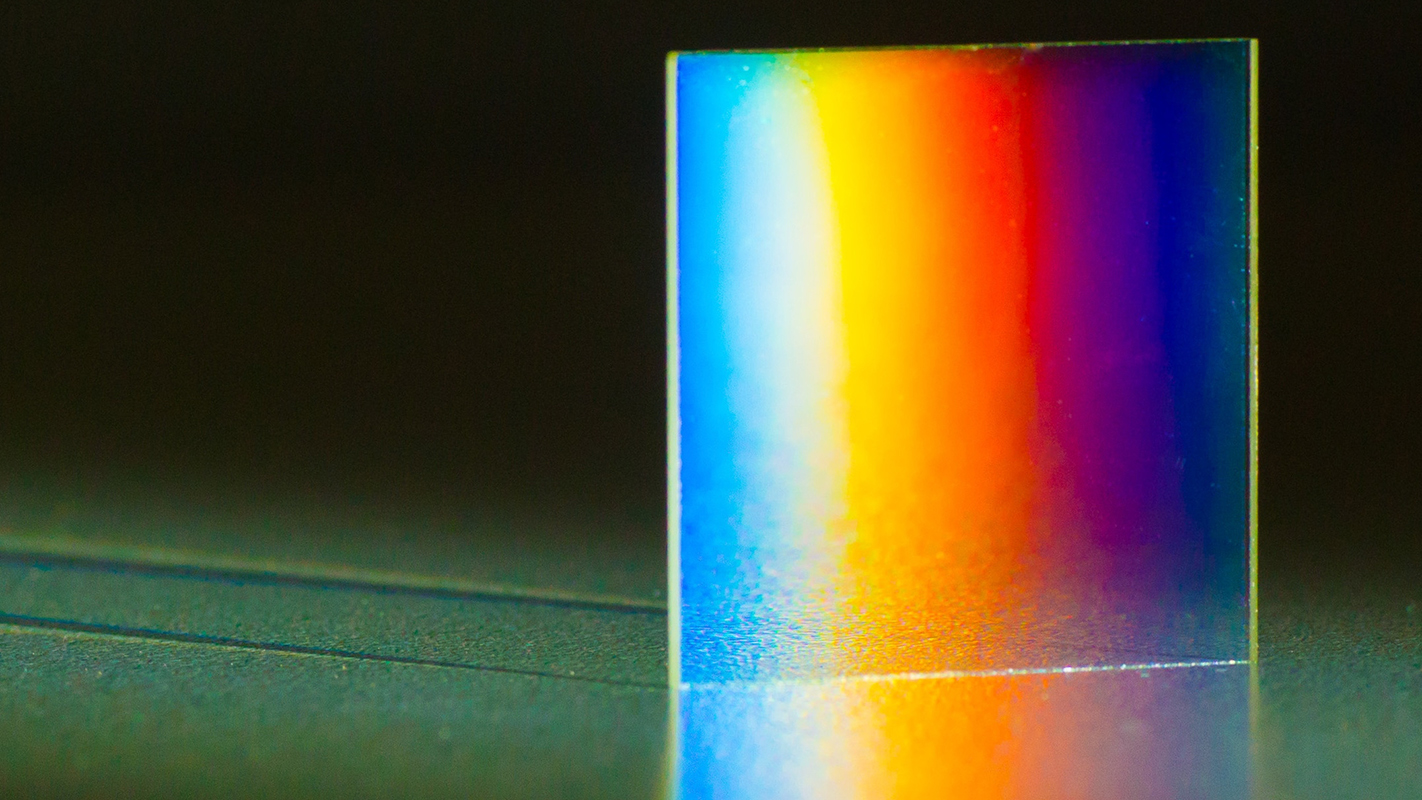
In 2010, Michael Escuti received funding from NSF to study and make novel hologram technologies. He created a tool with applications from studying alien worlds to making cellphones more energy efficient. 

Oct 13, 2015

Researchers Use ‘Avatar’ Experiments to Get Leg Up on Locomotion
Simple mechanical descriptions of the way people and animals walk, run, jump and hop liken whole leg behavior to a spring or pogo stick. But until now, no one has mapped the body’s complex physiology – which in locomotion includes multiple leg muscle-tendons crossing the hip, knee and ankle joints, the weight of a body,… 

Oct 12, 2015

Dielectric Film Has Refractive Index Close to Air for Photonics Applications
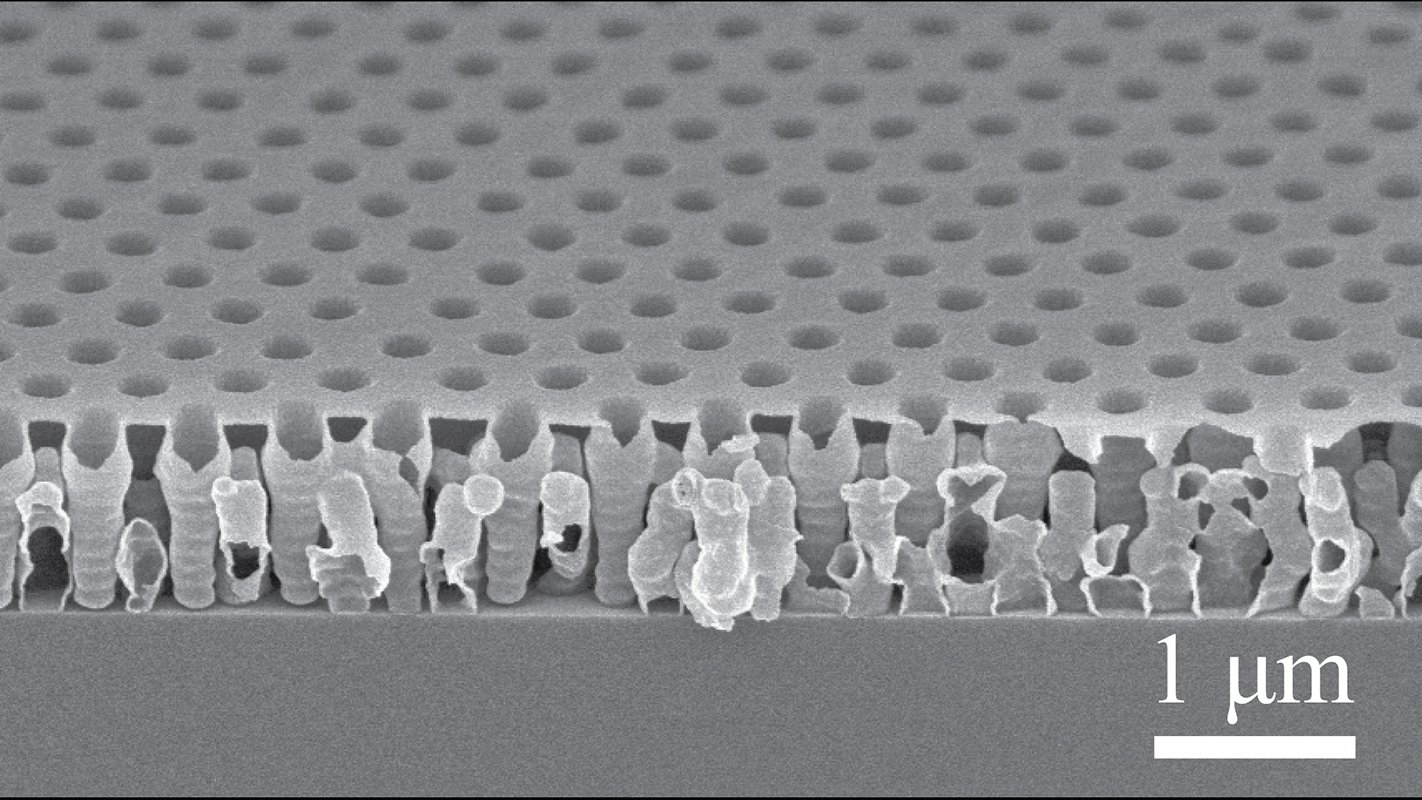
Researchers have developed a dielectric film that has optical and electrical properties similar to air, but is strong enough to be incorporated into electronic and photonic devices – making them both more efficient and more mechanically stable. 

Oct 7, 2015

Researchers Work on New Techniques for Creating High-Temperature Alloys
NC State is taking the lead in a new initiative aimed at addressing fundamental scientific questions that could lead to the development of so-called “entropy-stabilized alloys” that can withstand extremely high temperatures. 

Oct 1, 2015

Researchers Measure How Specific Atoms Move in Dielectric Materials

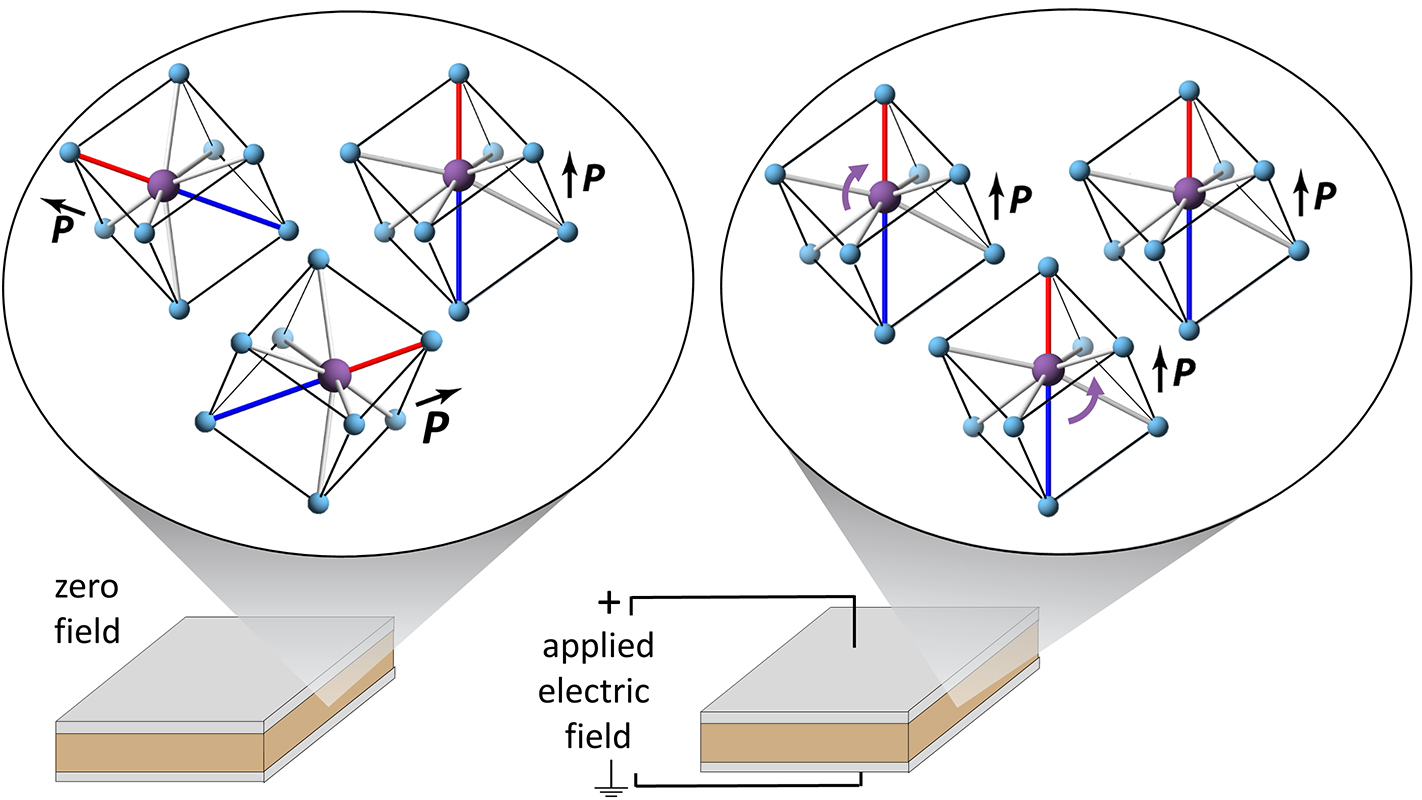
Researchers have measured the behavior of specific atoms in dielectric materials when exposed to an electric field. The work advances our understanding of dielectric materials, which are used in a wide variety of applications – from handheld electronics to defibrillators. 

Sep 30, 2015

New ‘Performance Cloning’ Techniques Designed to Boost Computer Chip Memory Systems Design
Computer science researchers have developed software using two new techniques to help computer chip designers improve memory systems. The techniques rely on “performance cloning,” which can assess the behavior of software without compromising privileged data or proprietary computer code. 

Sep 29, 2015

Researchers Disguise Drugs as Platelets to Target Cancer

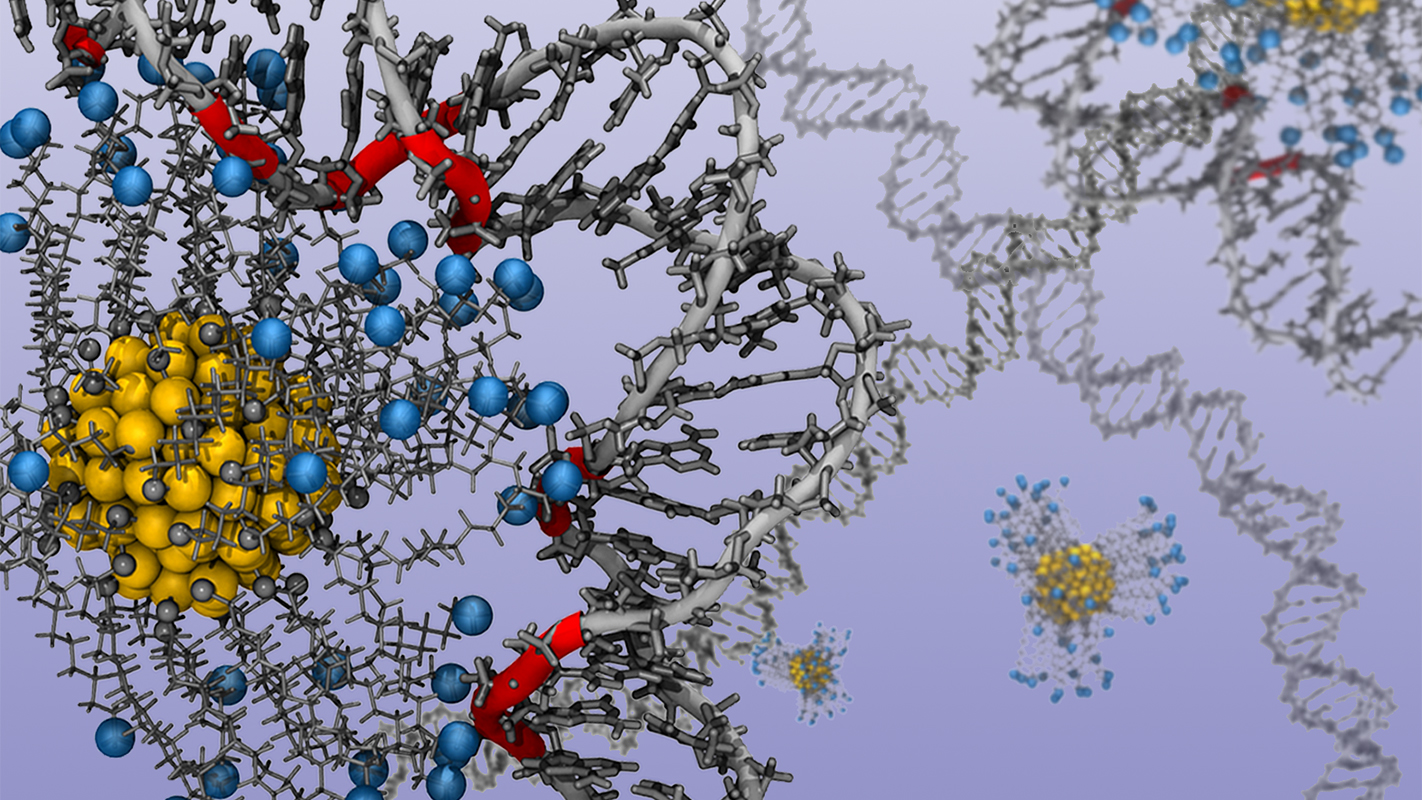
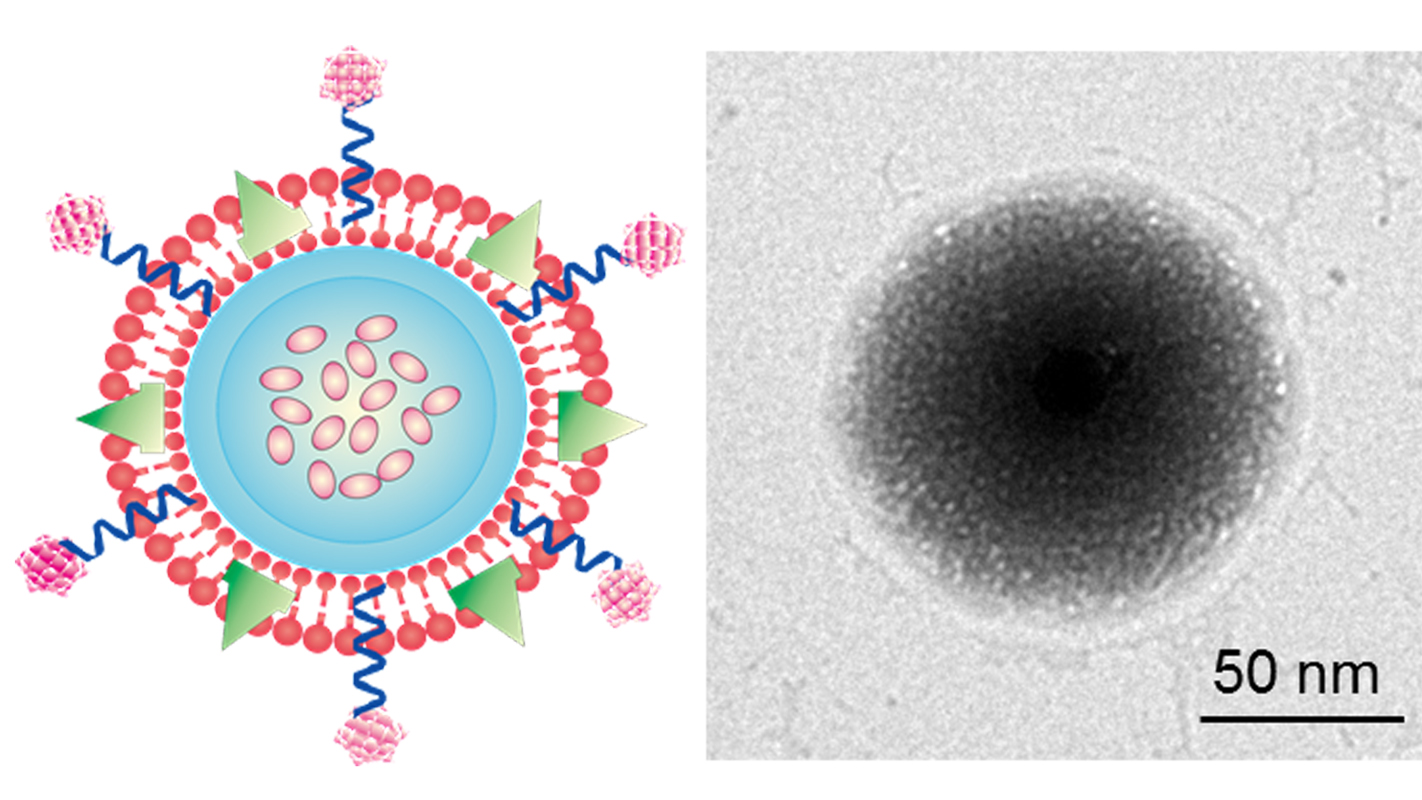
Researchers have for the first time developed a technique that coats anticancer drugs in membranes made from a patient’s own platelets, allowing the drugs to last longer in the body and attack both primary cancer tumors and the circulating tumor cells that can cause a cancer to metastasize. 

Sep 29, 2015

Modeling Tool IDs Genes That Control Stress Response in Plants
An interdisciplinary team of researchers has developed a modeling algorithm that is able to identify genes associated with specific biological functions in plants. The modeling tool will help plant biologists target individual genes that control how plants respond to drought, high temperatures or other environmental stressors. 

Sep 29, 2015

Researchers Create First Entropy-Stabilized Complex Oxide Alloys
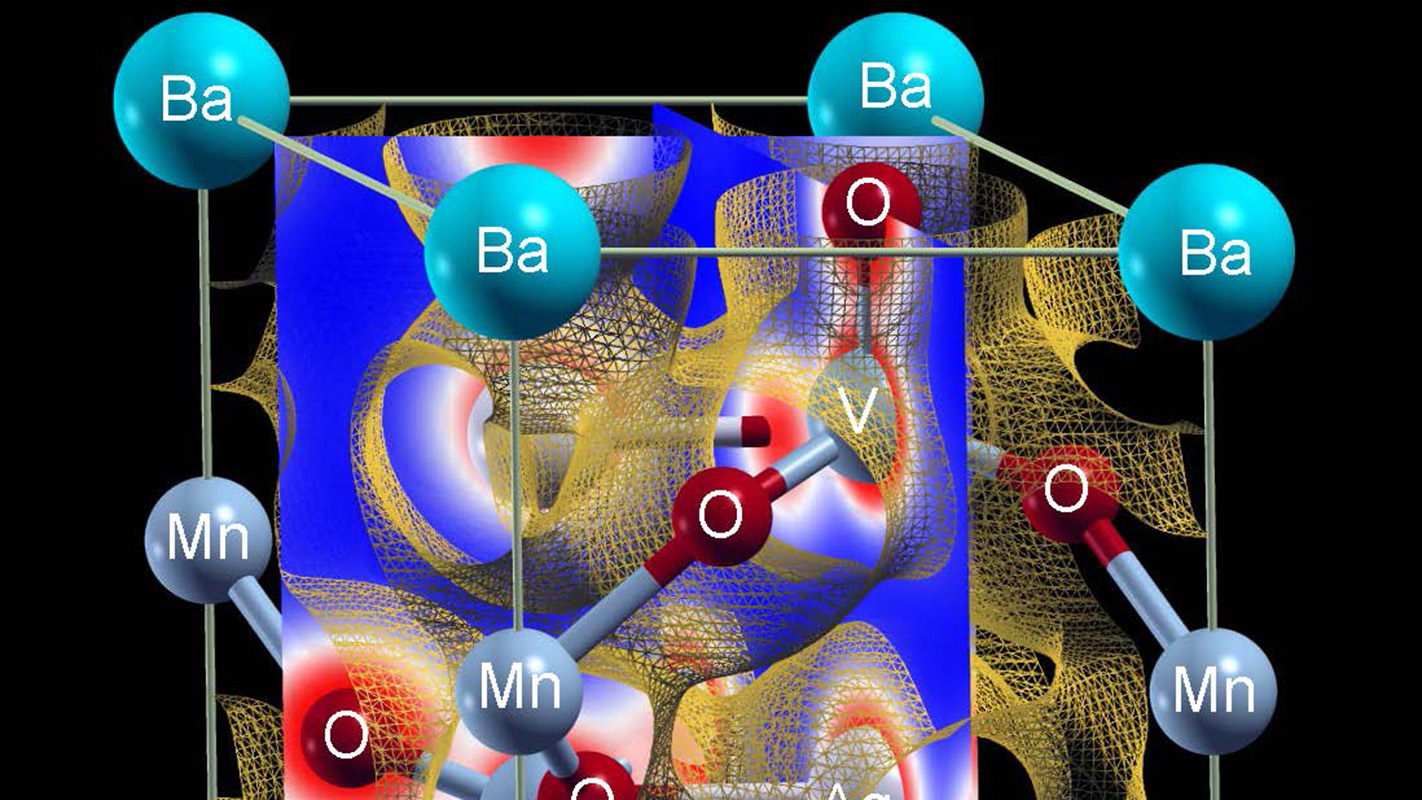
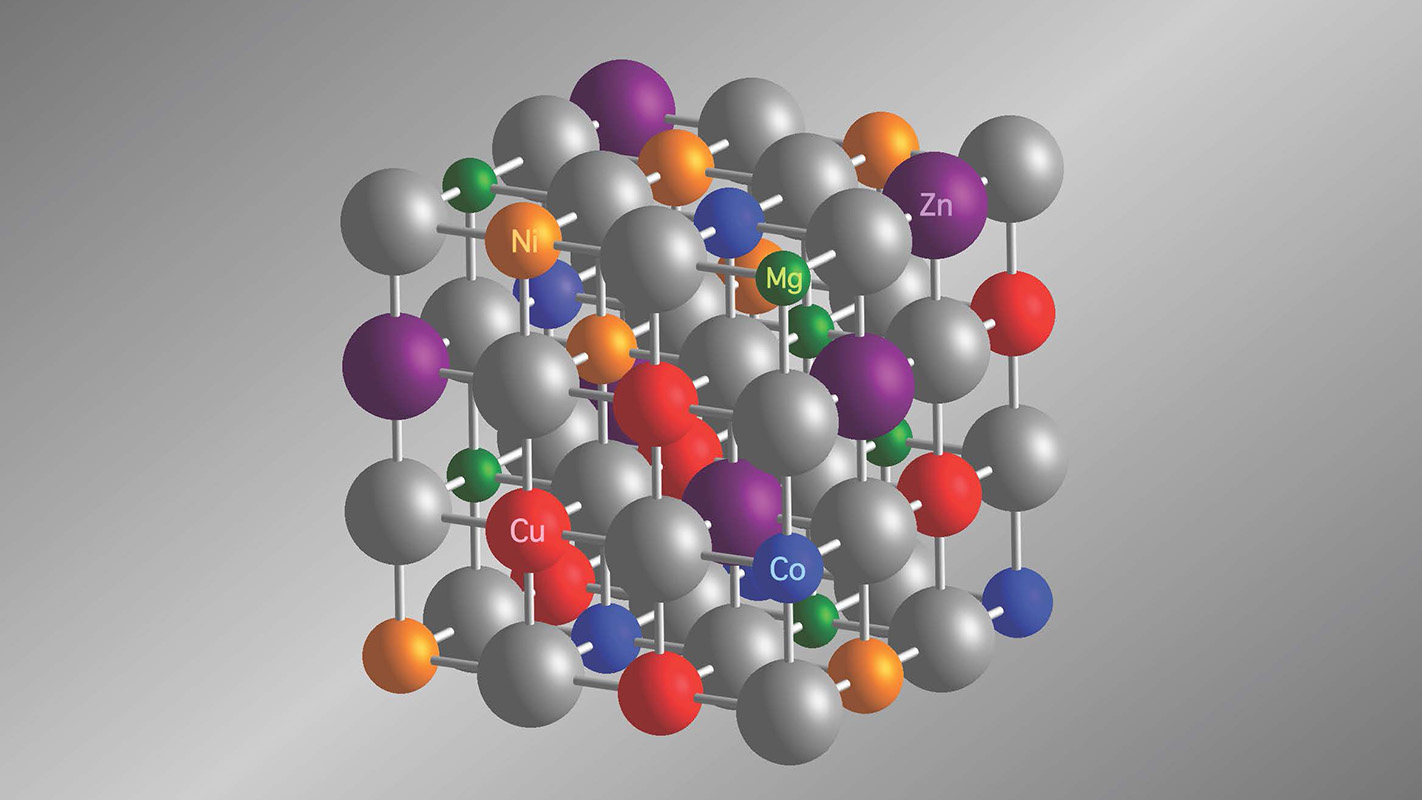
NC State researchers have created the first entropy-stabilized alloy that incorporates oxides – and demonstrated conclusively that the crystalline structure of the material can be determined by disorder at the atomic scale rather than chemical bonding. 

Sep 28, 2015

New Tech Automatically ‘Tunes’ Powered Prosthetics While Walking

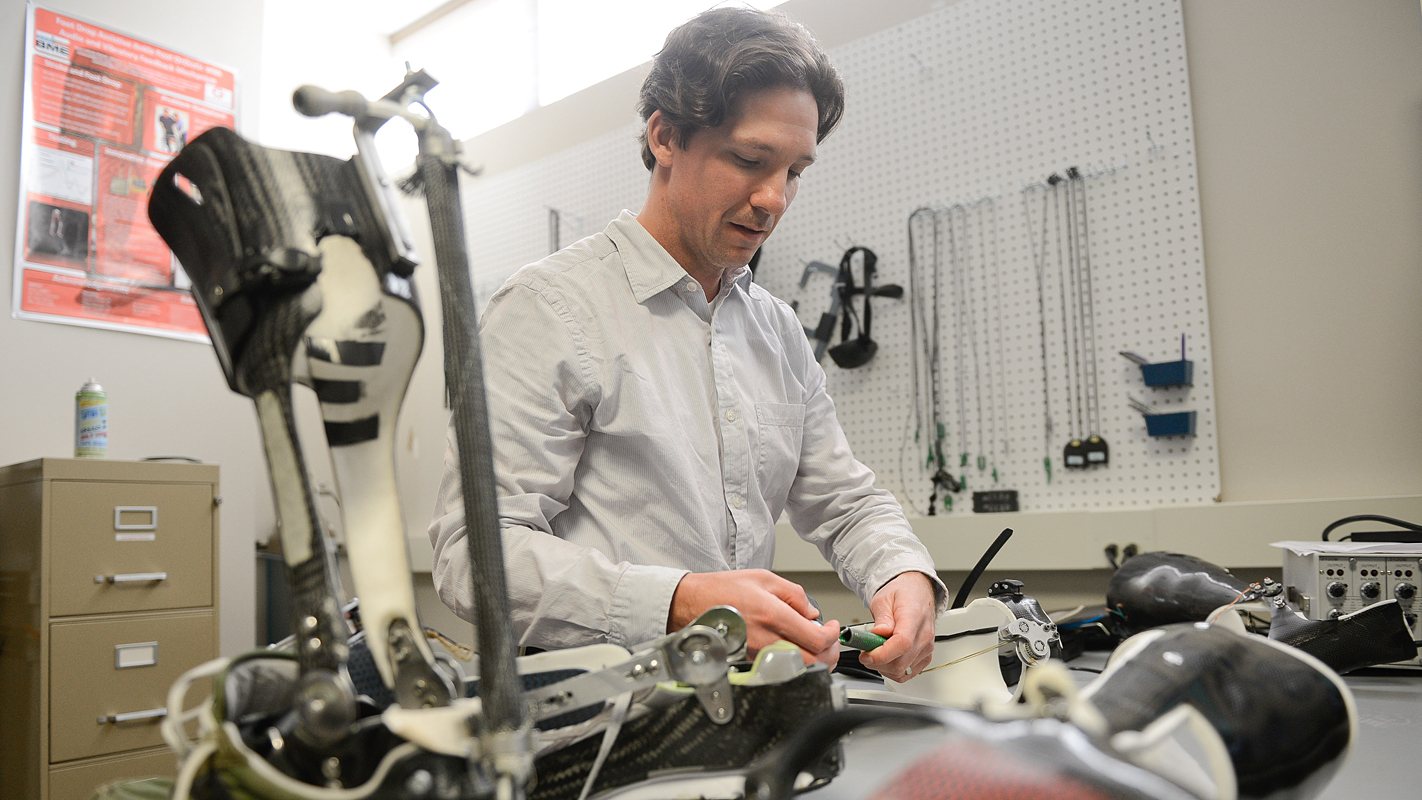
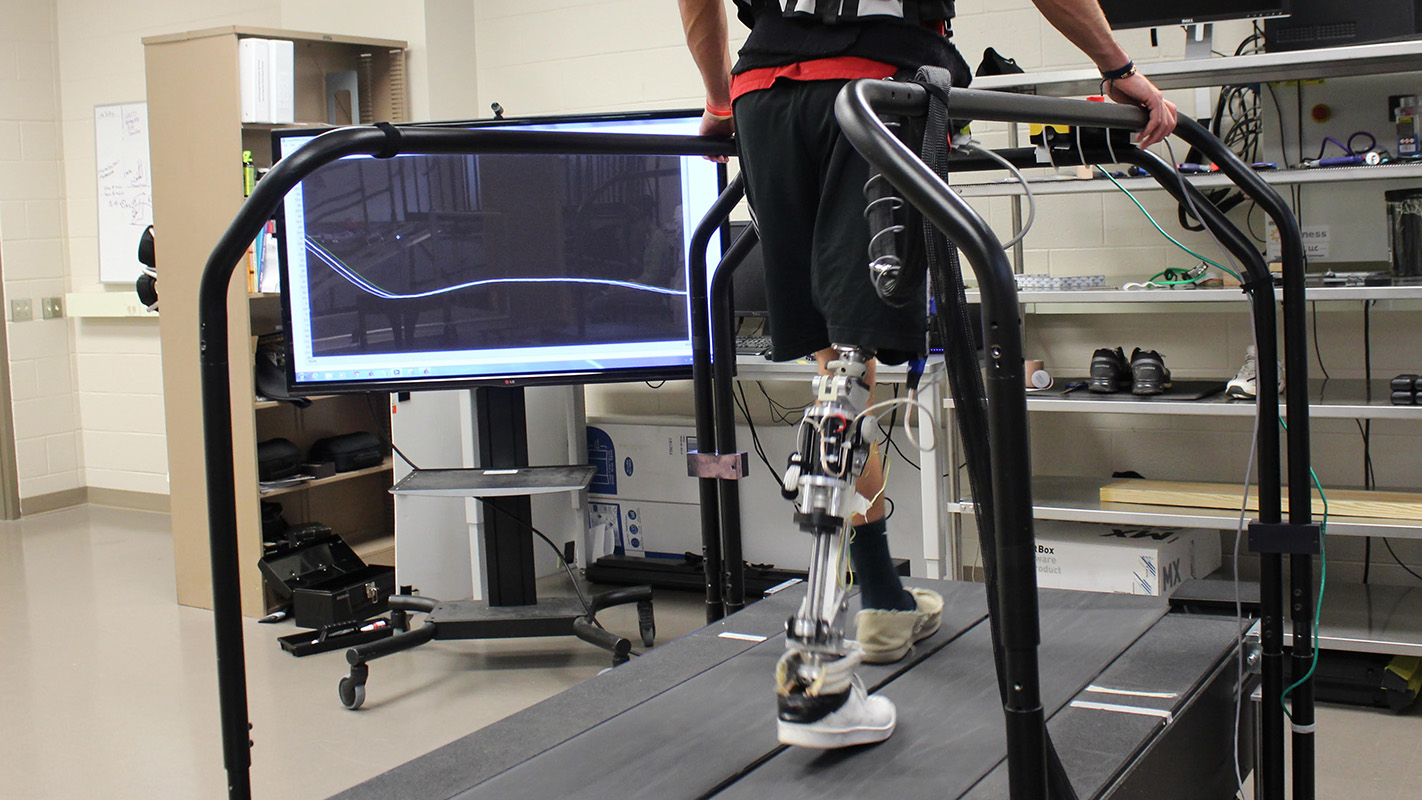
Biomedical engineering researchers have developed software that allows powered prosthetics to "tune" themselves automatically, making the devices more functionally useful and lowering the costs associated with powered prosthetic use. 

Sep 24, 2015

Automobile Emissions Expert Can Discuss Volkswagen Scandal, Emissions Testing
Reporters interested in understanding how VW cheated, what emissions tests are and how they work, and how these deceptions can be detected can contact vehicle emissions expert Chris Frey. 

Sep 23, 2015

Bozkurt Named to Popular Science’s ‘Brilliant 10’

Alper Bozkurt, assistant professor of electrical and computer engineering, is honored for his work establishing the foundations of the “internet of bionic things” in areas ranging from human-animal communication to insect biobots to human health monitoring devices. 

Sep 16, 2015

NSF-Funded Network to Boost Nanotech Innovation

A five-year, $5.5 million grant from the National Science Foundation supports a collaborative effort by three Triangle universities to help businesses and educators speed the development of new nanotechnology-based products and opportunities. 

Sep 1, 2015

New Technique Lowers Cost of Energy-Efficient Embedded Computer Systems

Electrical and computer engineers have developed a new technique for creating less-expensive, low-power embedded systems – the computing devices found in everything from thermostats to automobiles.