engineering

Apr 12, 2016

College of Engineering Hosts 2 Events for North Carolina Science Festival
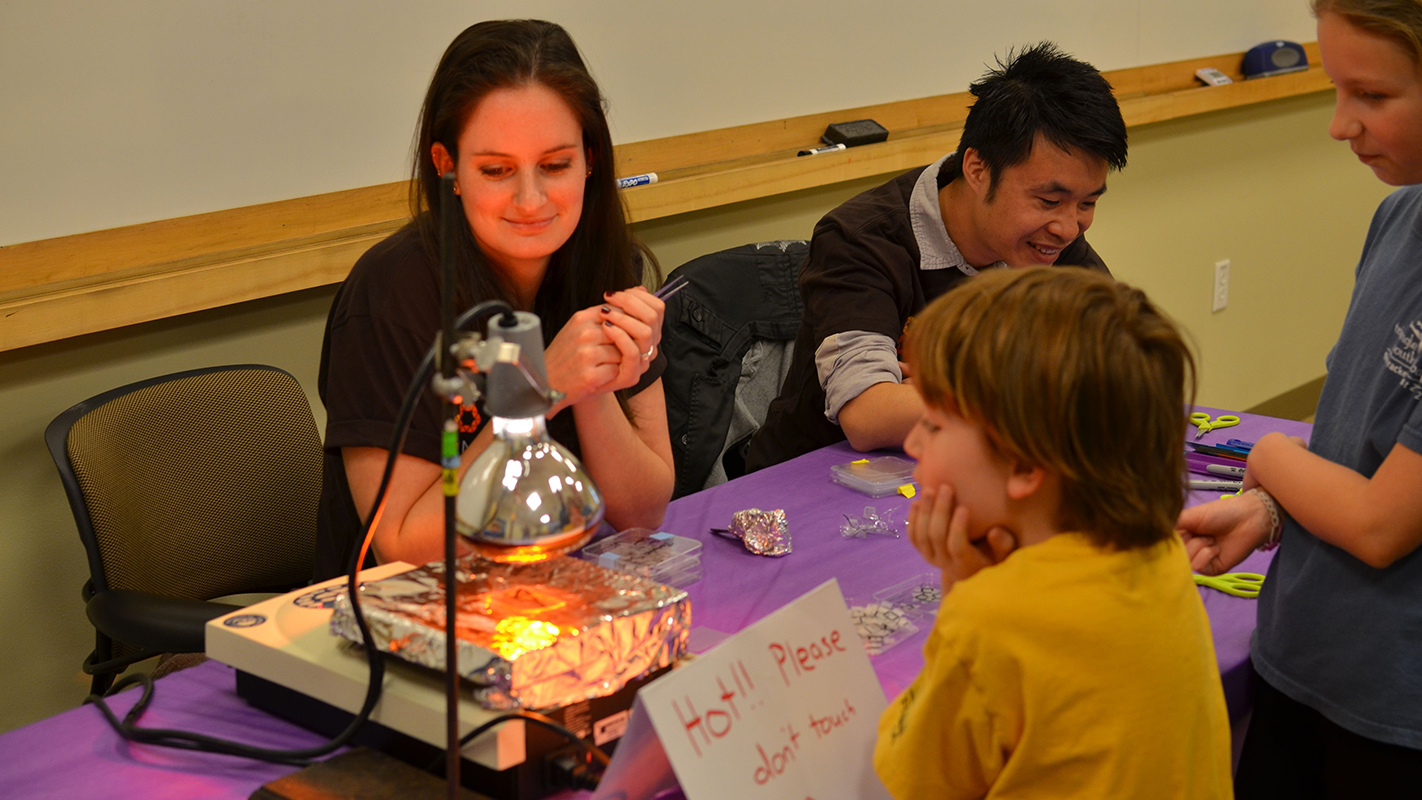
NC State's College of Engineering will open its doors to anyone with an interest in science and engineering during two events with a focus on nanotechnology, soft matter and microorganisms that thrive in extreme environments. 

Apr 5, 2016

Metal Foam Obliterates Bullets – and That’s Just the Beginning

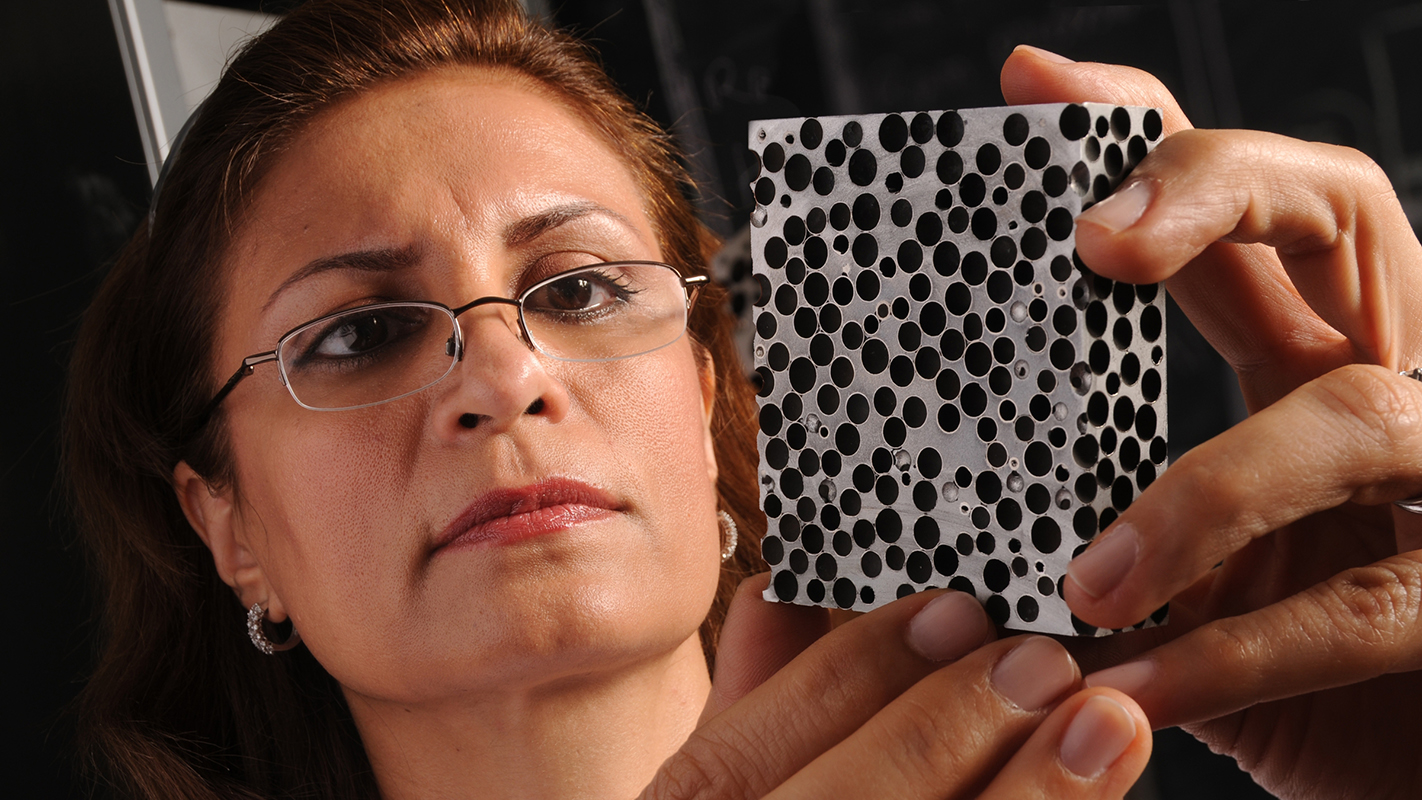
Composite metal foams are tough enough to turn an armor-piercing bullet into dust on impact. But armor is just the beginning of its potential uses. 

Apr 4, 2016

How Forecasting Water Reclamation Use Can Save Money, Water Resources
A changing climate and recent droughts in the South and West highlight the need to make the most of our limited water resources. One of the tools that can help the U.S. make efficient use of its water supplies is water reclamation – but utilities and water managers have sometimes struggled to deal with public perceptions of reclaimed water. 

Mar 31, 2016

New Tools Allow Rapid ID of CRISPR-Cas System PAMs

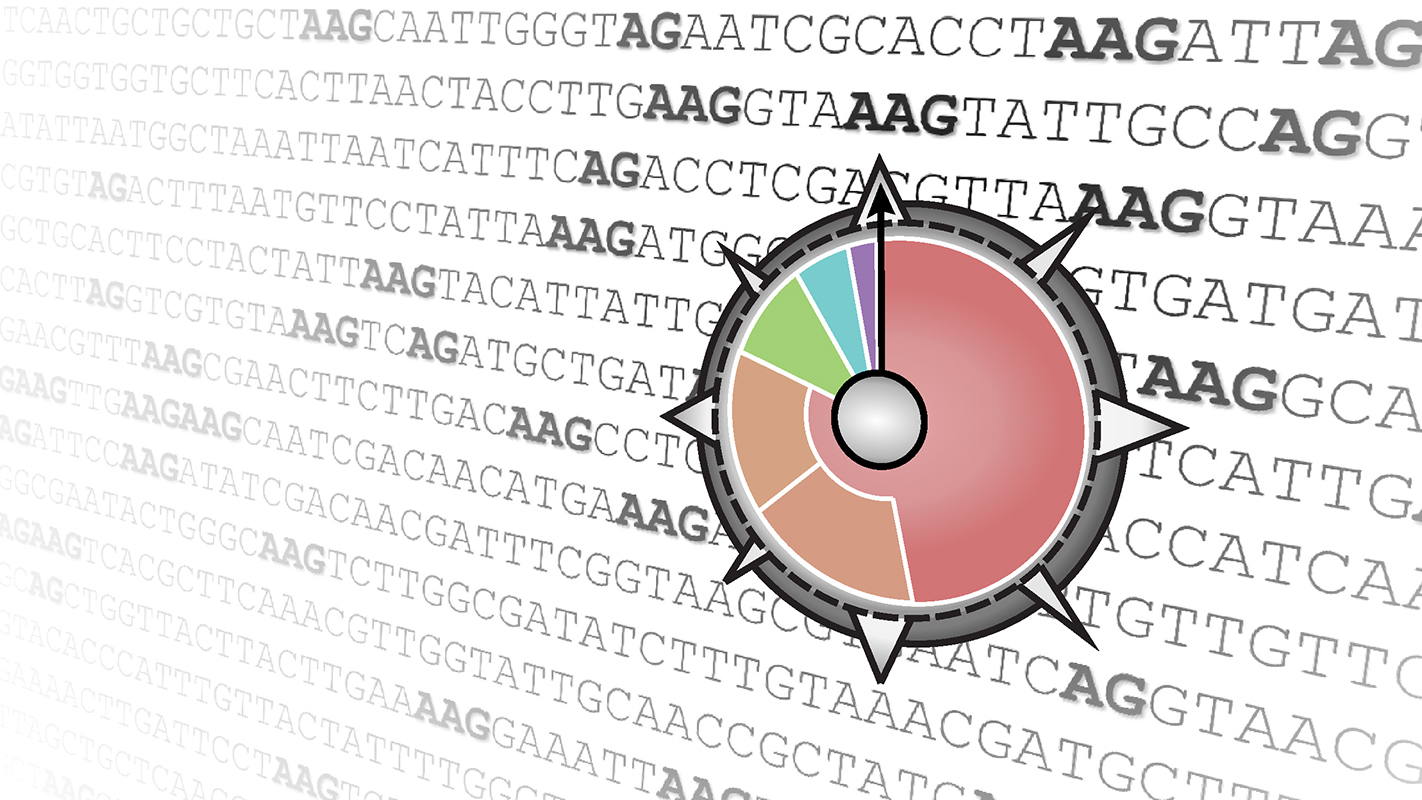
CRISPR-Cas systems are widely heralded as a new generation of genetic tools. But development of these tools requires researchers to identify the protospacer-adjacent motifs (PAMs) that unlock each system’s functionality. A new set of techniques expedites PAM identification — and early testing finds that many CRISPR-Cas systems actually have multiple PAMs of varying strength. 

Mar 28, 2016

Metal Foam Protects From Fire and Heat Twice as Well as Plain Metal
Light-weight composite metal foams (CMFs) are significantly more effective at insulating against high heat than the conventional base metals and alloys that they’re made of, such as steel. The CMF is especially promising for use in storing and transporting nuclear material, hazardous materials, explosives and other heat-sensitive materials, as well as for space exploration. 

Mar 24, 2016

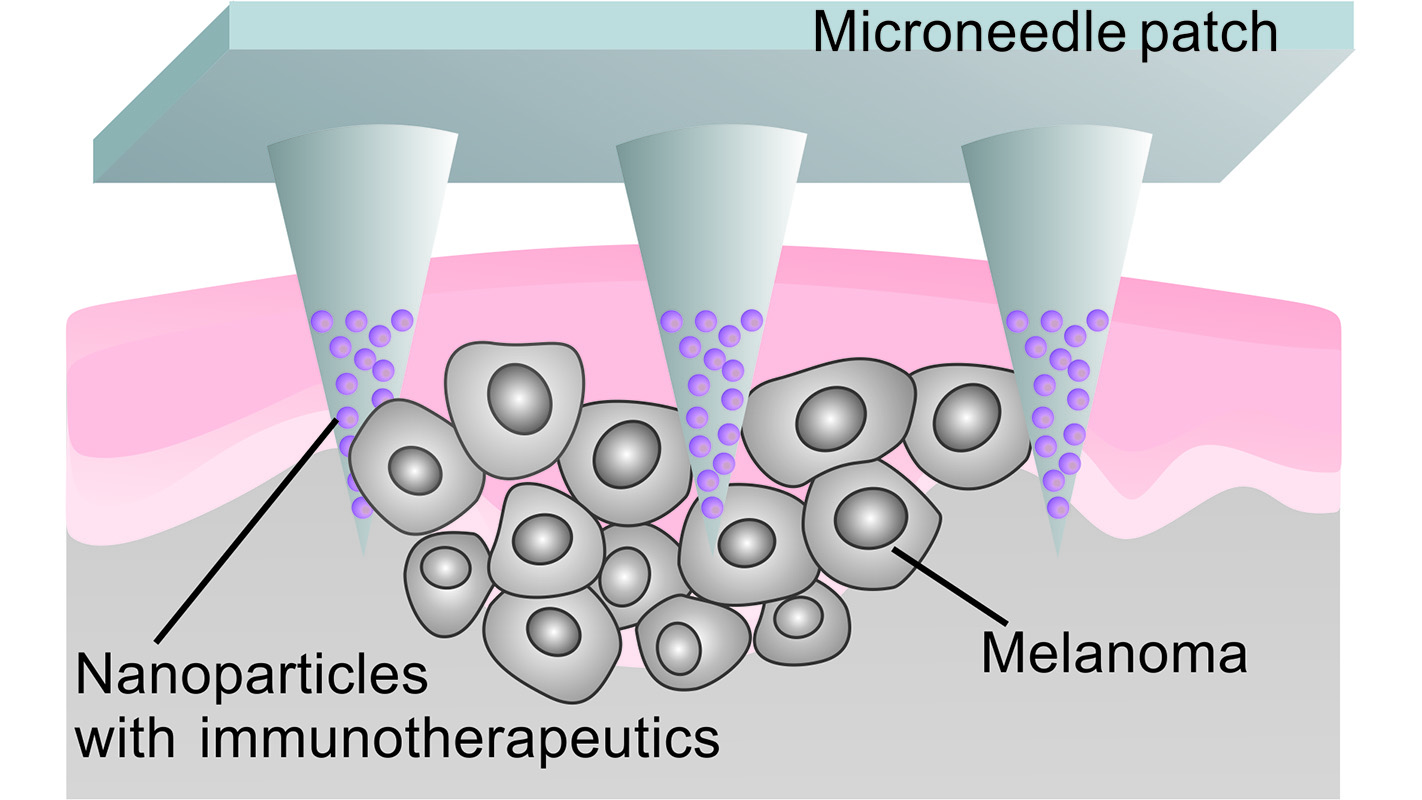
Microneedle Patch Delivers Localized Cancer Immunotherapy to Melanoma
Biomedical engineers have developed a technique that uses a patch embedded with microneedles to deliver cancer immunotherapy treatment directly to the site of melanoma skin cancer. 

Mar 24, 2016

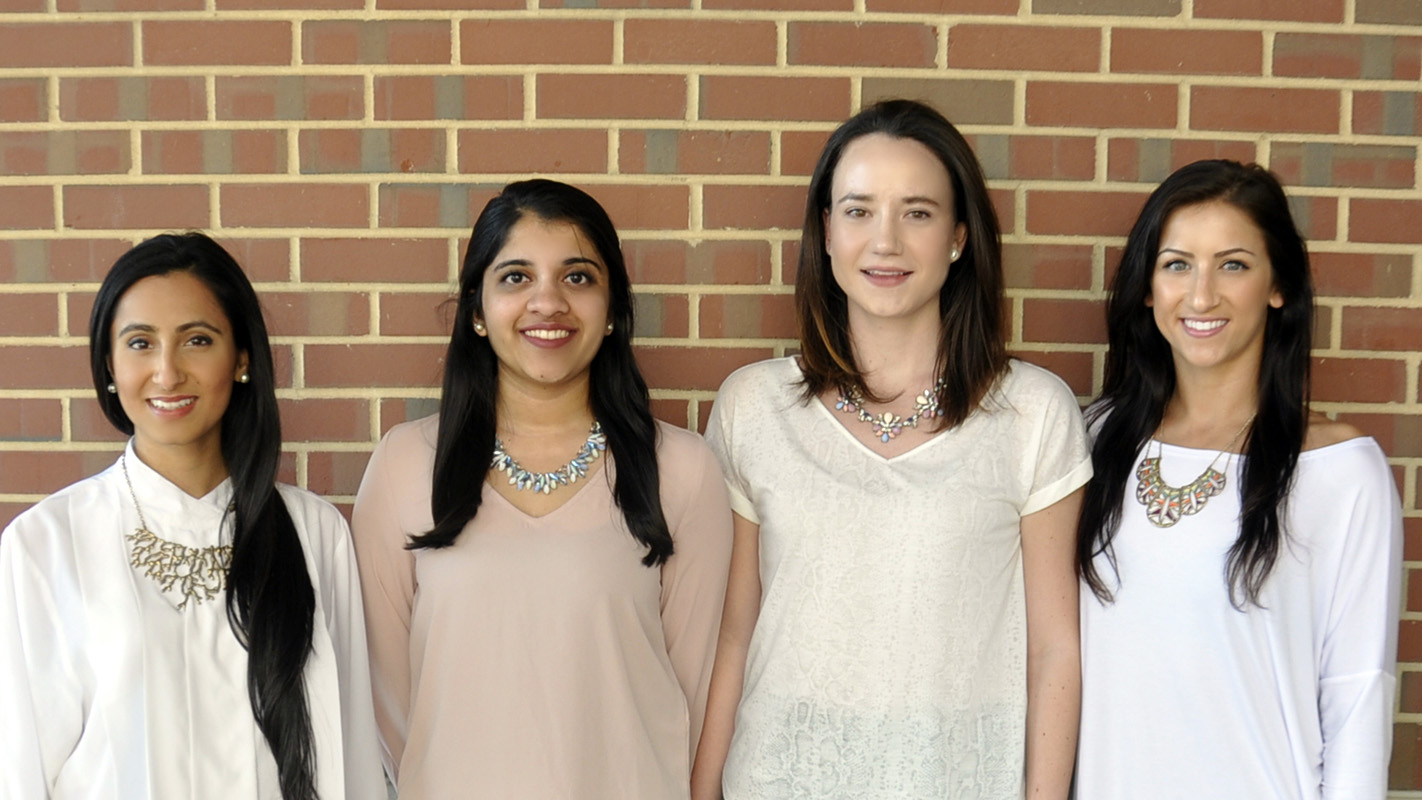
Engineering a Better Necklace

Four engineering students have stopped looking for the perfect “statement” necklace, deciding to design their own – and to launch a company to make the jewelry available to everyone. 

Mar 18, 2016

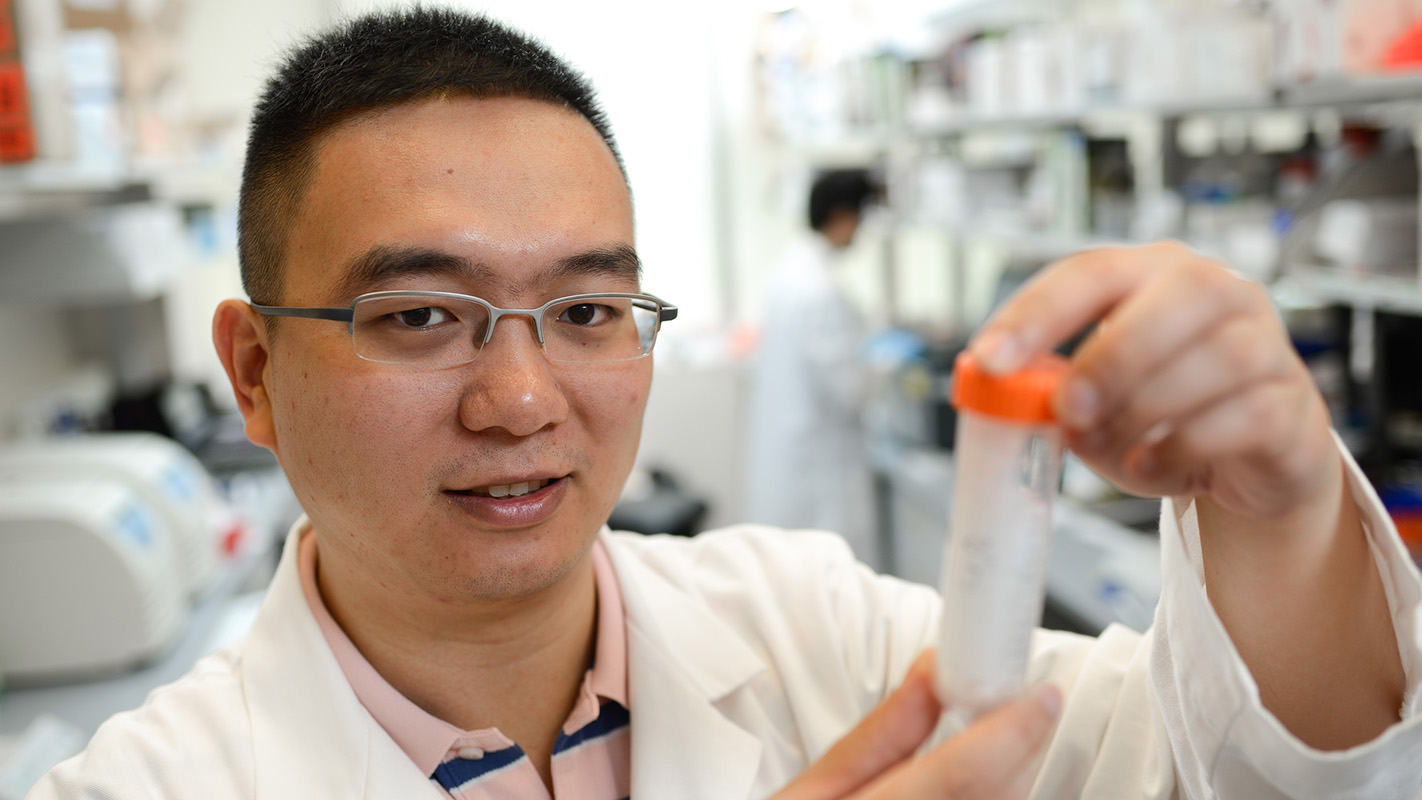
Recreating the Web of Blood Vessels That Keep Human Tissue Alive
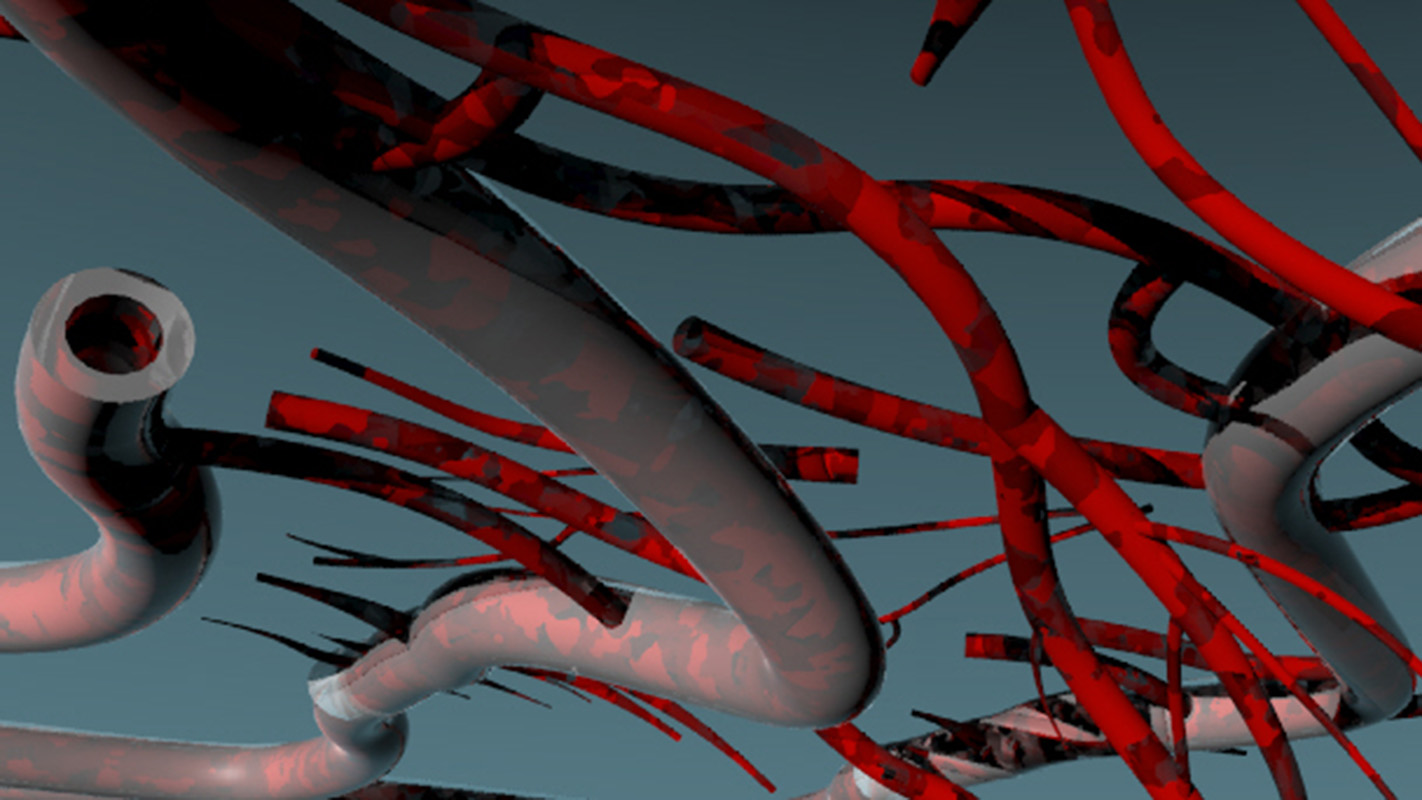
For years, one of the largest obstacles facing the field of regenerative medicine was the need to create a circulatory system to support new tissues and organs as they grew. Now two researchers are being recognized for creating technology to make the customized blood vessels necessary to support tissue generation. 

Mar 14, 2016

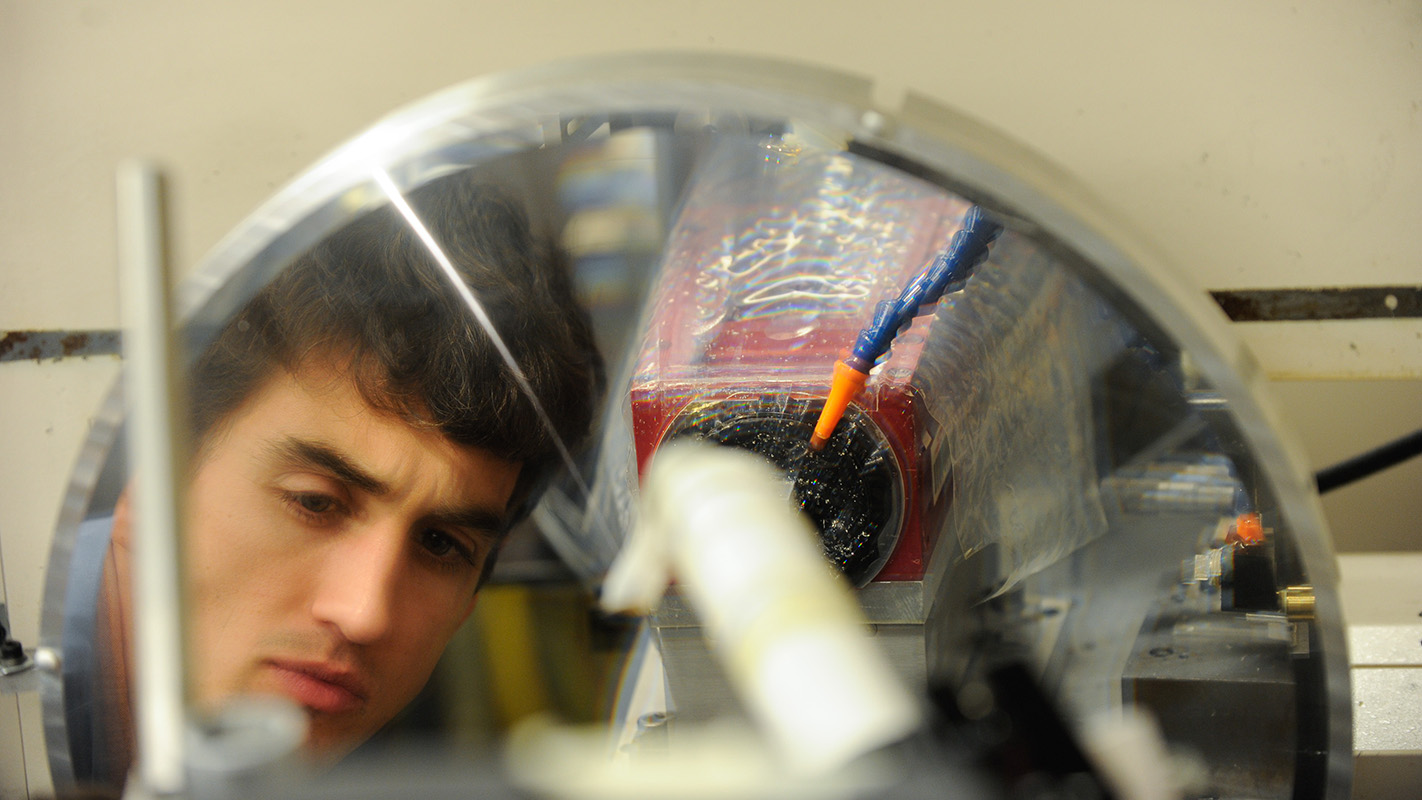
Engineering Researchers Help NASA Learn More From the Stars
Telescopes created in the Precision Engineering Consortium (PEC) in NC State’s College of Engineering will help NASA scientists gain a better understanding of the process by which dense regions within molecular clouds in interstellar space, referred to as stellar nurseries, collapse to form stars. The region of interest is stars that are 2,500 light years away from the earth – meaning the light reaching the telescope left the star 2,500 years ago. 

Mar 11, 2016

Gu Receives Funding for Glucose-Responsive Smart Insulin Patches
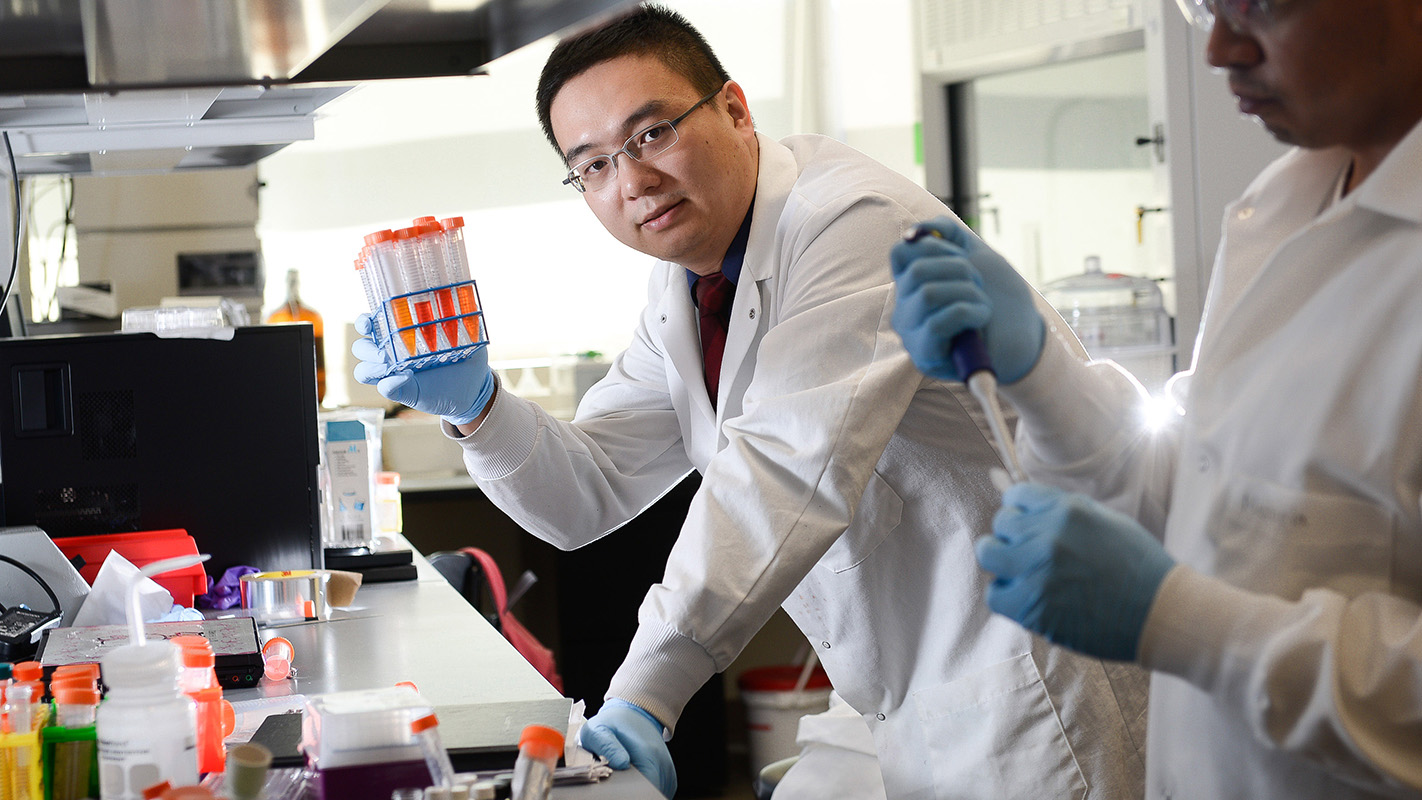
The funding will help Gu develop glucose responsive insulin patches in order to help those suffering from Type 1 diabetes. 

Mar 4, 2016

Study Sheds New Light on Post-Operative Bleeding in Newborns
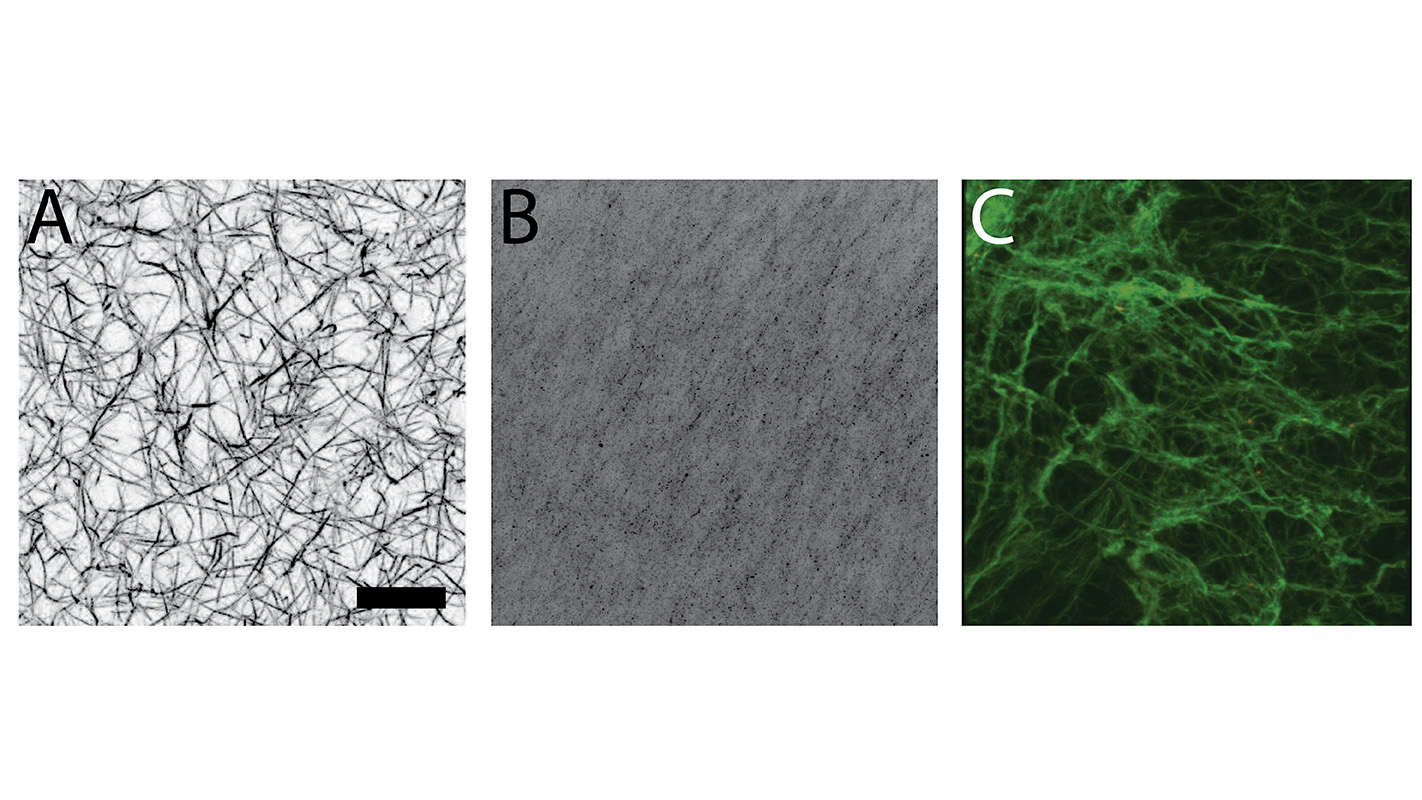
A new study finds significant differences between the blood clot structure in adults and newborns, helping researchers better understand the challenges in addressing post-operative bleeding in neonatal patients. The researchers also found that the current standard of care for treating post-operative bleeding may pose an increased risk of thrombosis in newborns compared to adults, which researchers hadn’t suspected. 

Feb 29, 2016

Research Demonstrates That Air Data Can Be Used to Reconstruct Radiological Releases
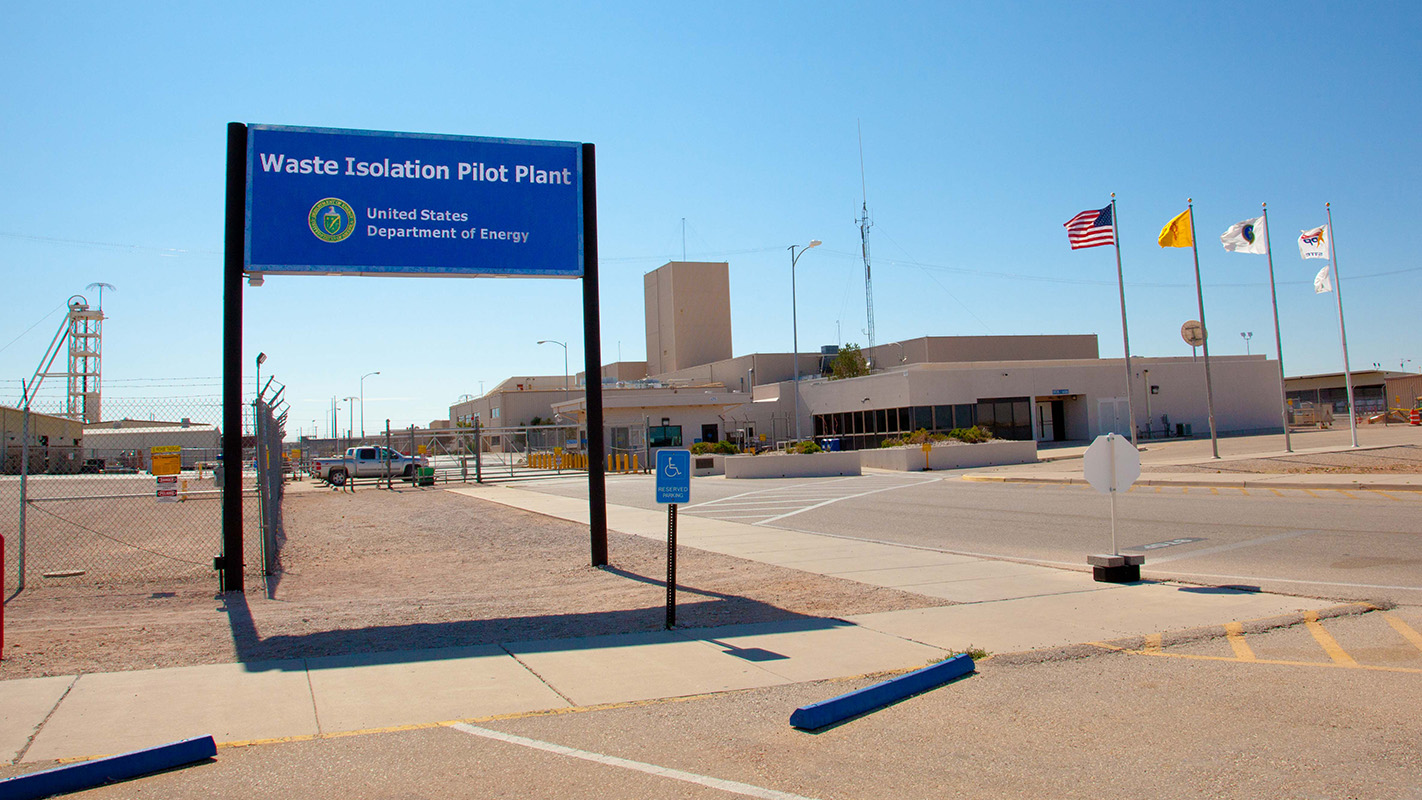
New research demonstrates that experts can use data from air sampling technology to not only detect radiological releases, but to accurately quantify the magnitude and source of the release. This has applications for nuclear plant safety, as well as national security and nuclear nonproliferation monitoring. 

Feb 23, 2016

Zhen Gu Receives Sloan Fellowship

Zhen Gu, an assistant professor in the joint biomedical engineering program at North Carolina State University and the University of North Carolina at Chapel Hill, has been named a 2016 Alfred P. Sloan Research Fellow in chemistry. 

Feb 23, 2016

Researchers Can Tune Mechanical Properties of Radiation-Sensitive Material for Biomedical Use

An interdisciplinary team of researchers has developed a composite material that emits light and heat when exposed to specific wavelengths of radiation and that can be customized to have specific mechanical characteristics. The composite holds promise for use in biomedical imaging, drug delivery and therapeutic treatments. 

Feb 18, 2016

Algorithm Makes Hyperspectral Imaging Faster

Researchers from North Carolina State University and the University of Delaware have developed an algorithm that can quickly and accurately reconstruct hyperspectral images using less data. The images are created using instruments that capture hyperspectral information succinctly, and the combination of algorithm and hardware makes it possible to acquire hyperspectral images in less time and to store those images using less memory.